



By:Abdullahi Inuwa
In a country often challenged by insecurity, displacement, and development gaps, the name of Prof. Babagana Umara Zulum has consistently stood out in Nigeria’s North-East as a symbol of resilience, compassion, and hands-on leadership.


Widely regarded as an “extraordinary man” by admirers across political and social divides, Zulum has built a reputation that blends academic brilliance, administrative discipline, and an unusually personal approach to governance that takes him directly to the hardest-hit communities of his troubled state.
The incumbent Governor of Borno State, Zulum was born in 1969 in Mafa Local Government Area of Borno State, Zulum’s journey from classroom to government house is a story shaped by education, service, and a deep commitment to public good.
A trained engineer and academic, he rose through the ranks of the civil service and later became a professor of irrigation engineering before stepping into politics—a path that continues to influence his evidence-based approach to governance.
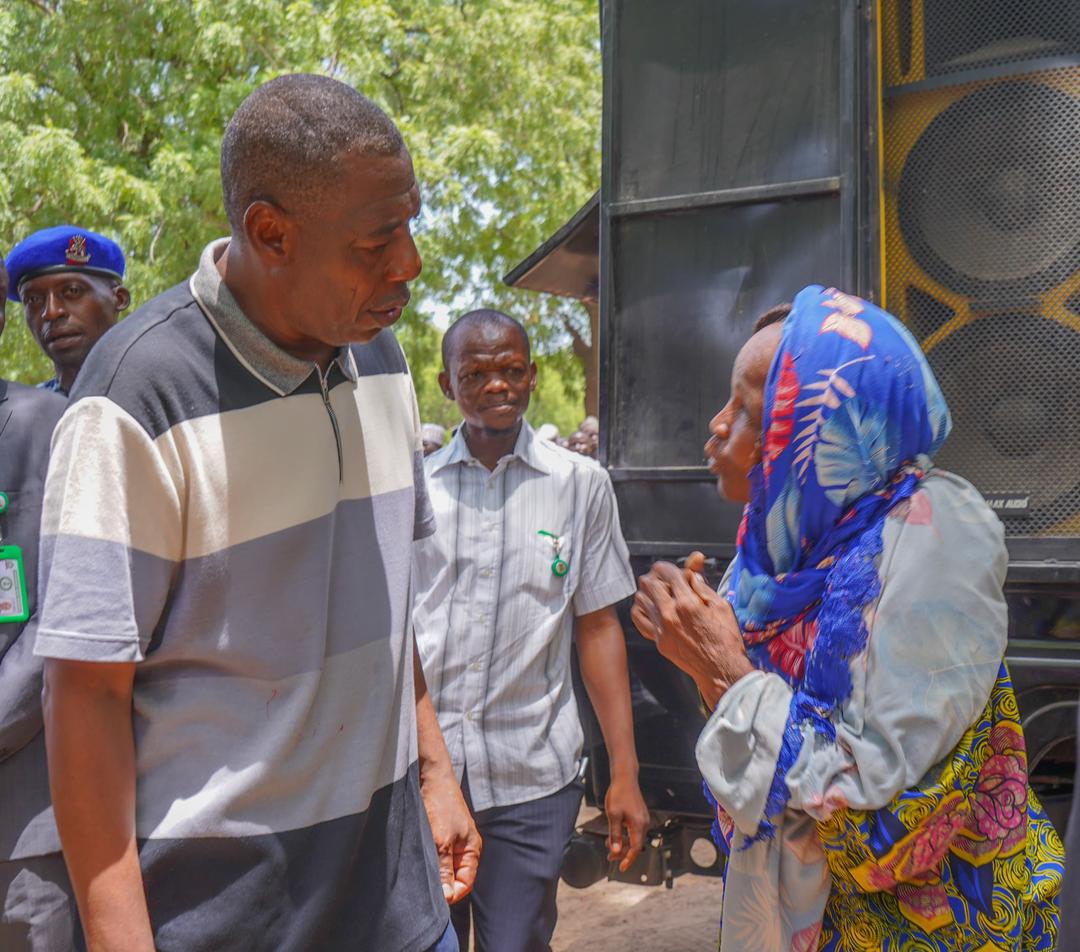
Since assuming office in 2019, Governor Zulum has become widely known for something rare in modern politics: constant presence in the field. Whether in liberated communities, flood-affected areas, or internally displaced persons (IDP) camps, the governor is frequently seen physically assessing situations, interacting with victims, and supervising reconstruction efforts.
Unlike many leaders who govern from a distance, Zulum has earned respect for what many describe as “boots-on-the-ground governance.” His frequent visits to remote and sometimes dangerous communities in Borno State have become a defining feature of his administration.
From Damasak to Baga, Monguno to Gwoza, he has consistently pushed for the resettlement of displaced persons, restoration of livelihoods, and rebuilding of destroyed infrastructure. His administration has overseen the reconstruction of schools, hospitals, roads, and housing units in areas previously devastated by insurgency.
For thousands of displaced families, these interventions have meant a gradual return to normalcy. Schools that were once abandoned due to insecurity have reopened, while agricultural support programs have helped farmers return to their farmlands in safer areas.
It’s obvious, Borno State remains one of the epicenters of humanitarian challenges in Nigeria due to over a decade of insurgency. In this environment, Governor Zulum’s leadership style has been heavily centered on humanitarian response.
He is often seen distributing relief materials personally, ensuring that aid reaches the most vulnerable communities. His administration has also worked closely with humanitarian agencies to coordinate support for displaced populations, particularly women and children who bear the greatest burden of conflict.
Observers note that his interventions are not limited to emergency relief but extend to long-term recovery. Housing schemes for displaced persons, scholarships for students affected by conflict, and agricultural empowerment programs have all been part of his administration’s strategy to rebuild lives.
Despite these efforts, the challenges facing Borno State remain enormous. Insurgent attacks, flooding, food insecurity, and infrastructure deficits continue to test the limits of governance. Yet, Zulum’s approach has remained firm: stay close to the people and keep rebuilding.
Even in moments of heightened insecurity, he has often insisted on visiting affected communities shortly after incidents occur, an action that has earned him both admiration and concern from security analysts. For supporters, it reflects courage and empathy; for critics, it raises questions about risk management in governance.
What further distinguishes Professor Zulum is his academic background. Before becoming governor, he served as Rector of Ramat Polytechnic and later as Commissioner for Reconstruction, Rehabilitation, and Resettlement in Borno State. These roles shaped his structured approach to governance, with emphasis on planning, data, and institutional strengthening.
His academic discipline is reflected in policies that prioritize education, technical training, and youth empowerment. Thousands of students have benefited from scholarships, while vocational programs aim to reduce unemployment and discourage youth involvement in violence.
As his tenure continues, discussions about Zulum’s legacy are already emerging. Many see him as a leader who has redefined what it means to govern in a crisis environment combining intellectual capacity with personal sacrifice and visible empathy.
In communities across Borno State, his name is often associated with reconstruction, hope, and presence during hardship. While challenges remain far from over, his administration has become a reference point for resilience-driven governance in Nigeria.
It was brazenly glaring that Zulum stands today as more than a political leader; he is a symbol of endurance in one of Nigeria’s most difficult regions. His leadership style hands-on, disciplined, and deeply humanitarian continues to shape the narrative of Borno State’s recovery.
In a world where leadership is often measured by distance and protocol, Zulum’s story is different. It is a story of proximity, action, and unwavering commitment to people in distress. And for many in Borno State, that is what makes him truly extraordinary.
Abdullahi Inuwa Social Commentator ainuwa303@gmail.com
About The Author
