


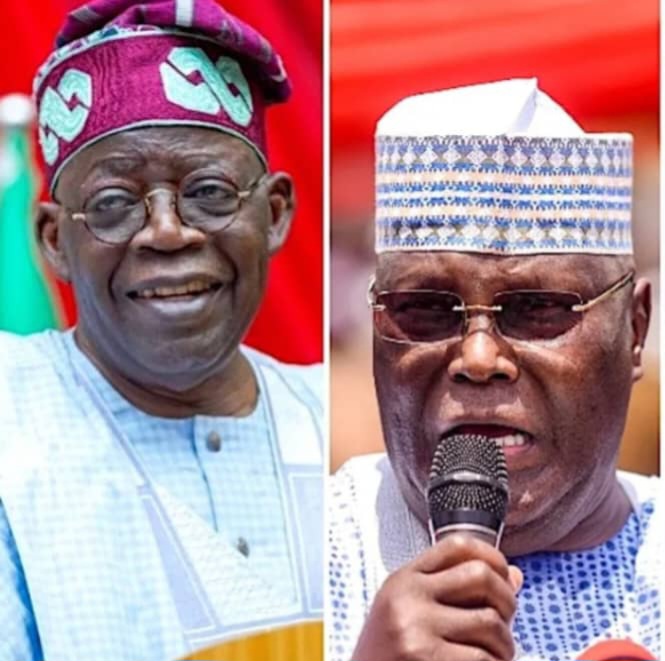

Former Vice President Atiku Abubakar has called on President Bola Ahmed Tinubu to explain his reported third consecutive absence from the United Nations General Assembly (UNGA), questioning the reasons behind the decision.
Atiku said the President’s continued absence from the annual high-level gathering of world leaders deserves an explanation, particularly given the importance of the UNGA to Nigeria’s diplomatic and international engagements.


The former vice president made the remark while reacting to reports surrounding Tinubu’s decision not to attend the 81st session of the United Nations General Assembly in New York.
According to Atiku, the UNGA provides an important platform for world leaders to present their countries’ positions on major global issues, strengthen diplomatic relationships and pursue opportunities that could advance national interests.
He therefore questioned why Tinubu had again chosen not to personally attend the gathering.
“Tinubu must explain his third consecutive absence from UNGA,” Atiku said.
His comments have added a political dimension to the debate over Nigeria’s representation at the international forum, where issues including global security, economic development, climate change and multilateral cooperation are expected to feature prominently.
The UN General Assembly traditionally attracts presidents, prime ministers and other senior government officials from across the world, making it one of the most significant annual diplomatic events on the international calendar.
For Nigeria, participation in the assembly has also historically provided an avenue for successive administrations to engage world leaders, international institutions, investors and development partners.
Atiku’s criticism comes amid broader political disagreements between the former vice president and the Tinubu administration over the direction of the country and the government’s handling of economic and social challenges.
The former presidential candidate has frequently challenged policies of the Tinubu administration, particularly those relating to the economy, cost of living and governance.
The Presidency has, however, maintained that the administration is pursuing reforms aimed at repositioning Nigeria’s economy and addressing long-standing structural challenges.
Tinubu’s absence from the UNGA therefore places greater attention on the delegation representing Nigeria and the issues it will present on behalf of the country.
While Atiku has demanded an explanation, the significance of the President’s absence will ultimately depend on the official reasons provided by the Presidency and the level of representation assigned to the Nigerian delegation.
The controversy has nonetheless renewed discussion about the importance of Nigeria’s visibility and diplomatic engagement at major international forums, particularly at a time when the country is seeking greater foreign investment, stronger international partnerships and increased cooperation on security and economic development.
As world leaders gather in New York, attention will now focus on Nigeria
About The Author
