



Barely one month after opposition political parties made a bold pledge to unite behind a single presidential candidate for the 2027 general election, the ambitious coalition plan has unravelled, exposing deep cracks within the anti-Tinubu alliance.
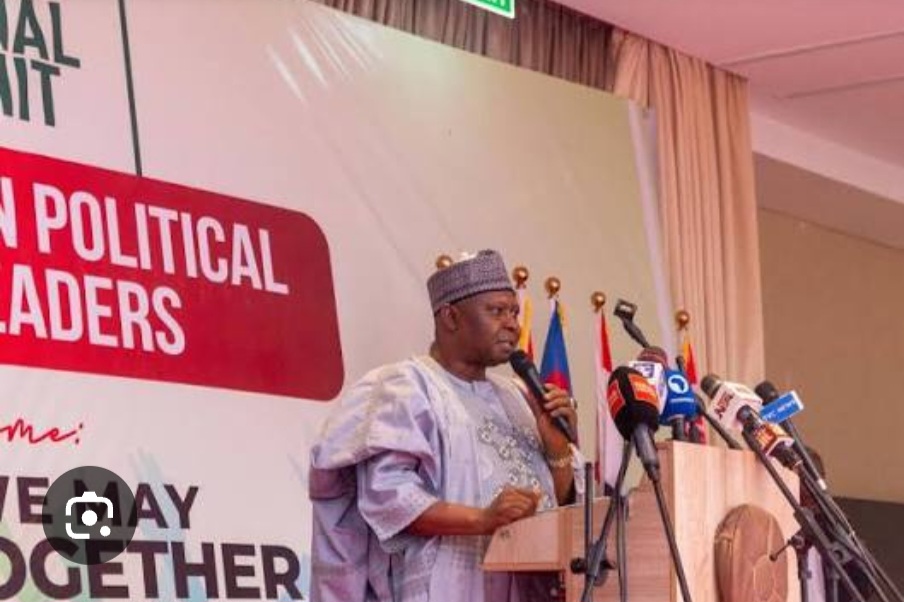
On April 25, opposition leaders gathered in Ibadan, Oyo State, and unveiled what many political observers described as their most significant strategy yet to challenge President Bola Ahmed Tinubu and the ruling All Progressives Congress (APC) in 2027.
The gathering produced a declaration committing various opposition parties to rally behind one presidential flagbearer, a move aimed at preventing vote-splitting and presenting a formidable challenge to the APC.


At the time, proponents of the alliance argued that the opposition’s repeated failure to close ranks had contributed to its electoral setbacks, insisting that only a united front could alter Nigeria’s political equation in the next presidential contest.
However, just one month and eight days after the much-publicised Ibadan declaration, the grand coalition appears to have collapsed under the weight of internal rivalries, competing ambitions, and disagreements over leadership and political direction.
What was once presented as a historic roadmap to opposition unity has now become another reminder of the difficulties political parties face in subordinating individual interests to a collective goal.
Sources within the opposition camp indicate that disagreements over who should emerge as the consensus presidential candidate, as well as concerns over power-sharing arrangements, quickly eroded the spirit of cooperation that characterised the Ibadan meeting.
Political analysts say the collapse of the initiative highlights a recurring challenge within Nigeria’s opposition politics, where alliances often struggle to survive beyond public declarations due to conflicting ambitions among key players.
The failure of the single-candidate project is likely to strengthen the position of the APC, which has consistently benefited from a divided opposition landscape in previous elections.
For many Nigerians who had hoped the coalition would produce a credible alternative platform ahead of 2027, the latest development raises fresh questions about the opposition’s ability to organise, negotiate, and sustain a united political movement.
With the 2027 elections still months away, opposition parties now face the daunting task of rebuilding trust and finding common ground if they hope to mount a serious challenge to President Tinubu’s re-election bid.
For now, the dream of a united opposition marching behind one presidential candidate appears to have faded almost as quickly as it emerged, leaving the Ibadan declaration as yet another political promise overtaken by reality.
About The Author
