



By: Abdullahi Inuwa
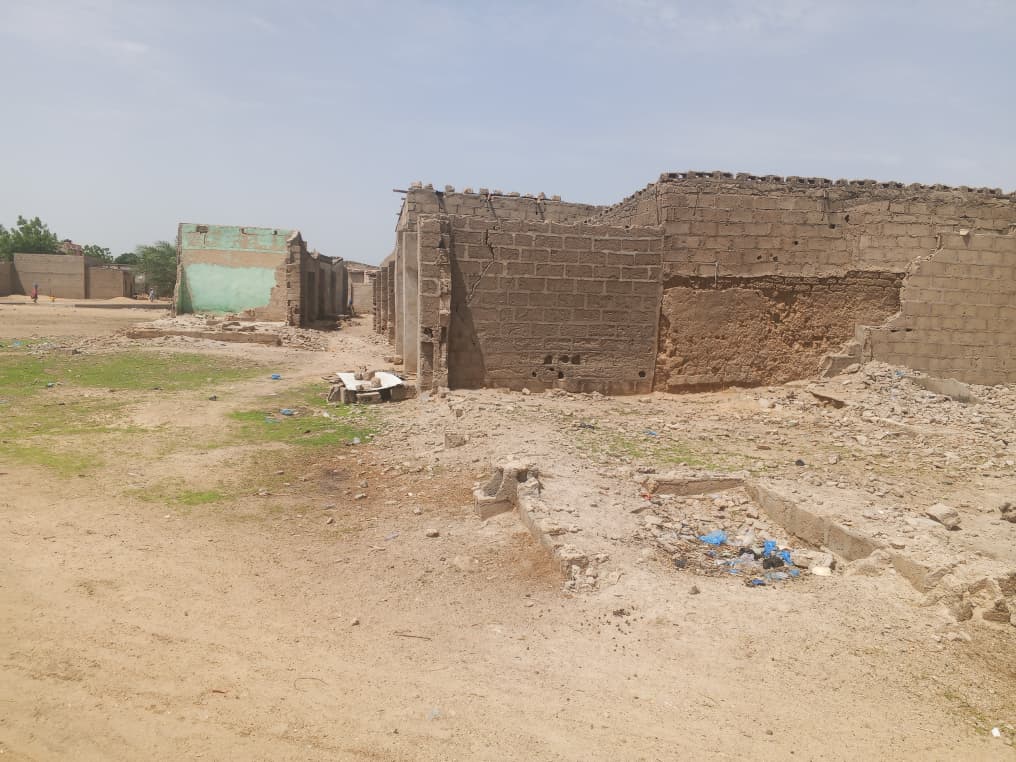
JIBIA, Katsina State – Fresh tension is brewing in Tudun Tukare Tsohuwa Community of Jibia Local Government Area as residents affected by a flood control project have appealed to Governor Dikko Umaru Radda to intervene in what they describe as inadequate compensation payments for demolished homes and lands.


At a community meeting held on Thursday, affected residents praised Governor Radda’s commitment to development and citizens’ welfare but expressed deep concern that the compensation being paid would not enable many families to secure alternative accommodation within Jibia town.
Several residents told journalists that while they support the ongoing drainage and flood control project aimed at preventing future disasters, they believe the compensation exercise has left many families facing uncertainty and hardship.
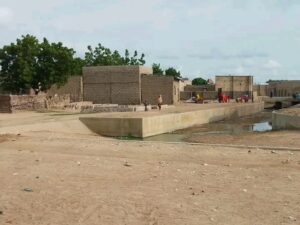
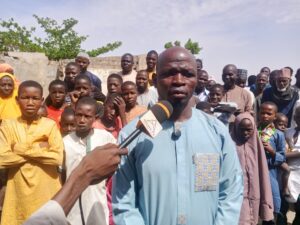
One of the affected residents, Abdulkarim Idris, said the construction of drainage channels has drastically altered life in the community, cutting off easy access to electricity, water supply, and movement into town.
According to him, the amount paid as compensation falls far below the cost of acquiring land or building a replacement home in Jibia.
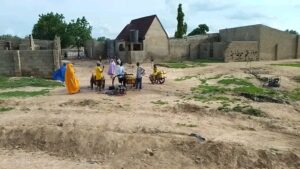
“If government wants us to relocate for the public good, then compensation should be enough to help us start a new life elsewhere,” he said while calling for a review of the valuation process used in assessing affected properties.
Another resident, Aminu Ibrahim, explained that the documentation of affected properties began in 2023 under a programme supported by the World Bank and the Katsina State Government.
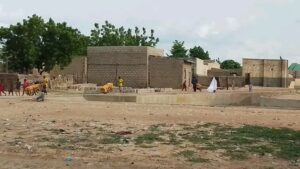
He recalled that five beneficiaries who received compensation during an initial pilot phase launched by Deputy Governor Faruk Lawal Jobe reportedly received between ₦6 million and ₦9 million each.
However, he alleged that many other residents subsequently received payments ranging from ₦250,000 to ₦1.2 million, while some affected households are yet to receive any compensation.
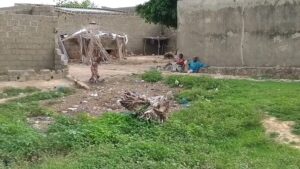
Aminu urged Governor Radda to investigate the implementation of the project and examine allegations surrounding the management of additional support funds reportedly earmarked for flood victims.
The situation appears especially difficult for widows and vulnerable families.
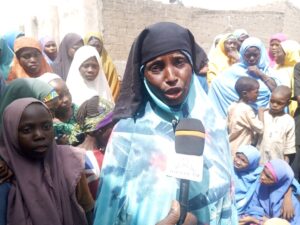
Basira Salisu, a widow raising four children alone, said the ₦1.2 million she received cannot secure a new house or plot of land within Jibia.
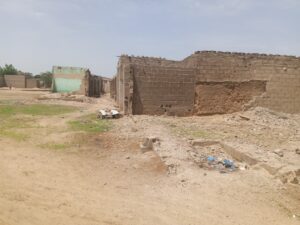
“The rainy season has already started, and I do not know where my children and I will go,” she lamented, appealing to the government to review the compensation package.
Similarly, Amina Usman, another widow caring for seven children, disclosed that she has not received any compensation despite losing her home. She said she currently lives in temporary shelter under challenging conditions.
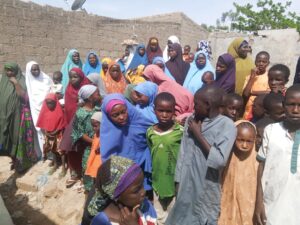
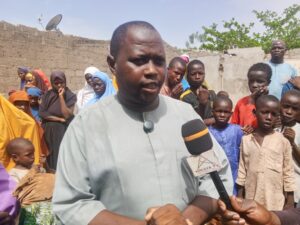
Community leader Hassan Usman estimated that nearly 120 houses were affected by the project. While acknowledging that the drainage works have helped reduce flood risks, he insisted that compensation must reflect the true value of the properties lost.
“We are not against development. We support the drainage project because it protects lives, but affected residents deserve fair treatment,” he stated.
The dispute has revived painful memories of the devastating 2018 Jibia flood disaster, which reportedly claimed more than 50 lives, destroyed hundreds of homes and displaced scores of residents.
Victims recalled that both federal and state authorities promised housing projects, resettlement programmes and critical infrastructure to help rebuild affected communities.
In 2024, residents of Tudun Tukare Tsohuwa also raised alarm over allegations that nearly ₦1 billion reportedly allocated for compensation and flood recovery efforts may have been mismanaged. Community representatives at the time demanded transparency in the handling of funds intended for victims.
They further noted that a Federal Government housing scheme intended to provide more than 300 housing units for flood victims has yet to materialise years after the disaster.
As concerns continue to mount, residents are calling on Governor Radda to order a thorough investigation into the compensation process, ensure accountability in the management of flood recovery funds and provide a lasting solution for affected families.
For many families in Tudun Tukare Tsohuwa, the issue is no longer just about compensation—it is about restoring hope, dignity and security after years of living under the shadow of one of Katsina State’s worst flood tragedies.
About The Author
