

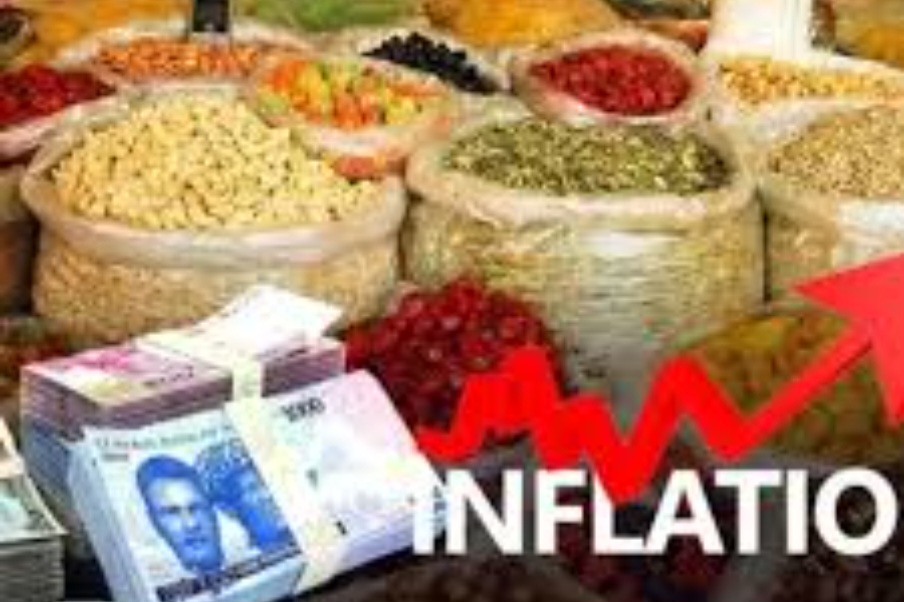

Nigeria’s inflation rate has risen again, with the National Bureau of Statistics (NBS) announcing that the country’s headline inflation climbed to 15.69 percent in April 2026.
The latest figure represents an increase from the 15.38 percent recorded in March, signaling renewed pressure on the cost of living across the country.


The NBS disclosed this in its Consumer Price Index (CPI) report released on Friday, highlighting a continued rise in the prices of goods and services nationwide.
The increase is expected to deepen concerns among households and businesses already grappling with high transportation costs, food prices, and economic uncertainty.
Economic analysts say the fresh rise in inflation could further strain consumer purchasing power and intensify calls for stronger monetary and fiscal measures to stabilise prices.
Although the bureau is yet to provide a detailed sectoral breakdown, previous inflation trends have largely been driven by increases in food prices, energy costs, transportation expenses, and fluctuations in the foreign exchange market.
The latest development comes as Nigerians continue to battle rising living costs amid ongoing economic reforms and market adjustments.
Financial experts warn that sustained inflationary pressure may affect investment confidence, household spending, and overall economic growth if urgent stabilisation measures are not implemented.
The April inflation figure is likely to influence future policy decisions by the Central Bank of Nigeria as authorities seek ways to balance inflation control with economic growth objectives.
About The Author
