



By Mustapha Saye, Kaduna
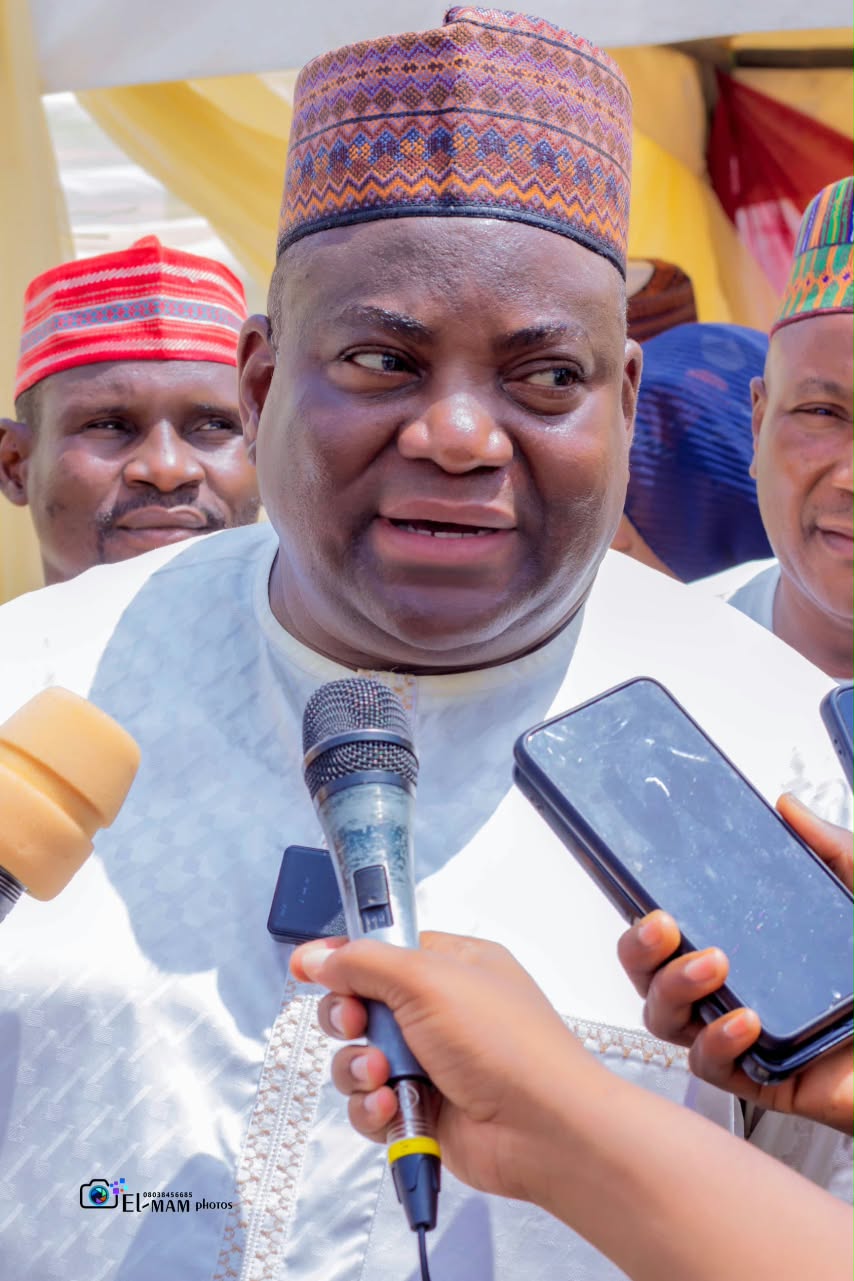
In governance, leadership is not measured merely by occupying an office, but by the ability to transform institutions, inspire people and build systems that deliver lasting results. By this measure, the performance of the Kano State Commissioner for Information and Internal Affairs, Comrade Dr. Ibrahim Abdullahi Waiya, deserves attention.


Since assuming office in January 2025, Dr. Waiya has pursued an approach that seeks to reposition the Ministry of Information from a conventional government publicity outfit into a more dynamic institution focused on strategic communication, digital engagement, grassroots mobilisation and stronger media relations. His appointment and the ministry’s evolving communication initiatives have placed him at the centre of the Kano State Government’s public information machinery.
Rebuilding the Ministry’s Communication Machinery
One of the notable features of Dr. Waiya’s leadership has been his engagement with the major institutions under the ministry, including Radio Kano, the Abubakar Rimi Television Corporation (ARTV), Triumph Publishing Company and the Kano State Printing Press.
These institutions represent the backbone of Kano State’s public communication infrastructure. Strengthening their operational capacity, professional standards and relevance in an increasingly competitive media environment is essential to ensuring that government information reaches citizens through credible and accessible channels.
Recent developments at Radio Kano, including the upgrading of broadcasting facilities and discussions about expanding professional training, illustrate the broader effort to modernise state-owned media institutions. Such initiatives, if sustained, can improve the quality of public broadcasting and create opportunities for a new generation of media professionals.
Taking Government Information to the Grassroots
Perhaps one of the most important dimensions of the commissioner’s approach is the emphasis on grassroots communication.
With Kano State comprising 44 local government areas, effective public communication cannot be restricted to the state capital. Citizens in rural communities deserve timely and accurate information about government policies, programmes and opportunities.
Capacity-building initiatives for local government information officers have therefore become an important component of the ministry’s strategy. By strengthening the skills and coordination of these officers, the government can improve the flow of information between public institutions and communities.
The provision of working tools and the development of digital communication structures also offer an opportunity to make grassroots information gathering faster, more efficient and more responsive to local realities.
The ultimate test, however, will be the consistency with which these resources are deployed and the extent to which citizens across all local government areas benefit from them.
Embracing the Digital Communication Revolution
The era in which government communication depended almost entirely on newspapers, radio and television has changed significantly. Today, social media, online publications and digital multimedia platforms influence how citizens receive information, evaluate public policies and engage with government.
Dr. Waiya’s emphasis on digital advocacy and multimedia communication reflects an understanding of this changing environment.
A modern Ministry of Information must do more than announce government activities. It must explain policies in accessible language, counter misinformation with verified facts, respond promptly to public concerns and provide citizens with opportunities to engage constructively with government.
The expansion of digital communication can also improve the visibility of Kano State beyond its borders, presenting its cultural heritage, economic opportunities, development priorities and investment potential to wider audiences.
However, the credibility of such communication will depend on accuracy, transparency, professionalism and the willingness to acknowledge legitimate public concerns.
Strengthening Government–Media Relations
Another significant aspect of Dr. Waiya’s tenure has been engagement with journalists, media executives, broadcasters, online publishers and professional stakeholders.
A healthy relationship between government and the media is essential to democratic governance. While government has a responsibility to communicate its policies and achievements, journalists must retain the freedom to investigate, question and report matters of public interest.
Constructive engagement between both sides can promote better access to information, reduce avoidable misunderstandings and encourage responsible public discourse.
The commissioner’s experience in communication and civic engagement provides an opportunity to strengthen this relationship further, particularly by promoting professional standards, media ethics and timely access to verified government information.
Ultimately, effective government communication should not be judged only by the volume of publicity generated, but by the trust it builds among citizens.
More Than Publicity: Projecting Kano’s Image
The responsibility of the Ministry of Information extends beyond announcing the activities of the state government. It includes protecting the state’s public image, promoting its cultural identity, encouraging peaceful coexistence and ensuring that Kano’s development efforts are communicated effectively.
Under the administration of Governor Abba Kabir Yusuf, the ministry has a strategic role in explaining government policies and connecting them with the expectations of the people.
Dr. Waiya’s task is therefore both demanding and important: to ensure that government communication is not merely visible, but meaningful; not merely persuasive, but credible; and not confined to official circles, but accessible to ordinary citizens.
When government information is timely, accurate and understandable, citizens are better positioned to participate in public affairs and hold institutions accountable.
The Challenges Ahead
Despite the initiatives associated with his tenure, sustaining institutional transformation requires more than enthusiasm and public engagement. It demands adequate funding, modern equipment, continuous staff training, improved working conditions and measurable performance standards.
State-owned media organisations must be equipped to compete in a rapidly changing media landscape. Local government information officers need sustained logistical support, while digital communication systems must remain reliable and responsive.
There is also a need to measure the impact of communication activities through public feedback, access to information, audience reach and improvements in citizens’ understanding of government policies.
These are important considerations because the true success of a commissioner is not simply what happens during his tenure, but what remains in place after he leaves office.
A Leadership Opportunity for Lasting Change
Dr. Ibrahim Abdullahi Waiya’s tenure presents an opportunity to strengthen the institutional foundations of public communication in Kano State. His focus on digital engagement, grassroots information dissemination, media collaboration and the modernisation of state-owned media points towards a broader effort to adapt the ministry to contemporary communication demands.
Governor Abba Kabir Yusuf deserves recognition for entrusting this responsibility to a commissioner whose office occupies such a strategic position in the relationship between government and citizens.
Nevertheless, the lasting verdict on this transformation will depend on its measurable results: stronger media institutions, better-informed communities, more professional information officers and a communication system capable of serving the people regardless of their location or social background.
The real achievement will be when every citizen in Kano, from the metropolitan centre to the most remote community, can access credible government information, understand public policies and make their voices heard.
That is the standard by which the transformation of the Ministry of Information should ultimately be judged—and the legacy Dr. Waiya should strive to leave behind.
Mustapha Saye writes from Kaduna.
About The Author
