


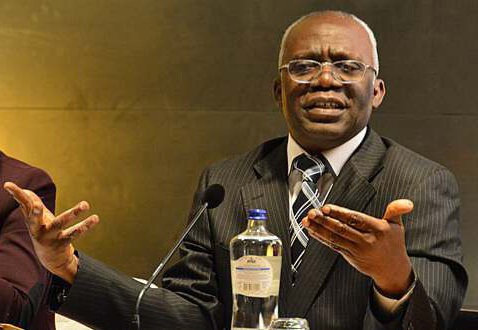
, Femi Falana, has cautioned the Federal Government and state governors against)
Human rights lawyer and Senior Advocate of Nigeria (SAN), Femi Falana, has cautioned the Federal Government and state governors against negotiating with terrorists, insisting that such actions constitute a criminal offence under Nigerian law.
Falana stated that the Terrorism (Prevention and Prohibition) Act prescribes a jail term of up to 20 years for individuals found guilty of directly or indirectly engaging in negotiations, collaboration, or support for terrorist groups.


The senior lawyer’s warning comes amid growing concerns over reports of negotiations and peace deals involving armed groups responsible for violent attacks, kidnappings, and other acts of terrorism across parts of the country.
According to Falana, while governments have a constitutional duty to protect lives and secure the release of victims, any engagement with designated terrorist organisations must be carried out strictly within the confines of the law.
He stressed that the fight against terrorism should be guided by legal provisions and national security considerations, warning that actions capable of legitimising or empowering terrorist groups could undermine efforts to restore peace and stability.
Falana urged authorities at all levels to strengthen intelligence gathering, enhance security operations, and ensure strict enforcement of anti-terrorism laws rather than resorting to arrangements that may contravene existing legislation.
His remarks have reignited debate over the best approach to tackling insecurity, particularly in regions affected by terrorism, banditry, and mass abductions.
Security experts remain divided on the issue, with some advocating dialogue as a conflict-resolution tool, while others insist that negotiating with violent groups risks encouraging further criminality.
As Nigeria continues to battle multiple security challenges, Falana’s intervention has drawn attention to the legal implications of any formal or informal engagement with terrorist organisations and the need for government actions to remain firmly within the bounds of the law.
About The Author
