



By: Abdullahi Inuwa
A new political song by renowned Hausa musician Dauda Kahutu Rarara has once again thrown Nigeria’s political arena into heated debate, igniting controversy far beyond the campaign trail and exposing the increasingly bitter tone of political communication ahead of the 2027 elections.


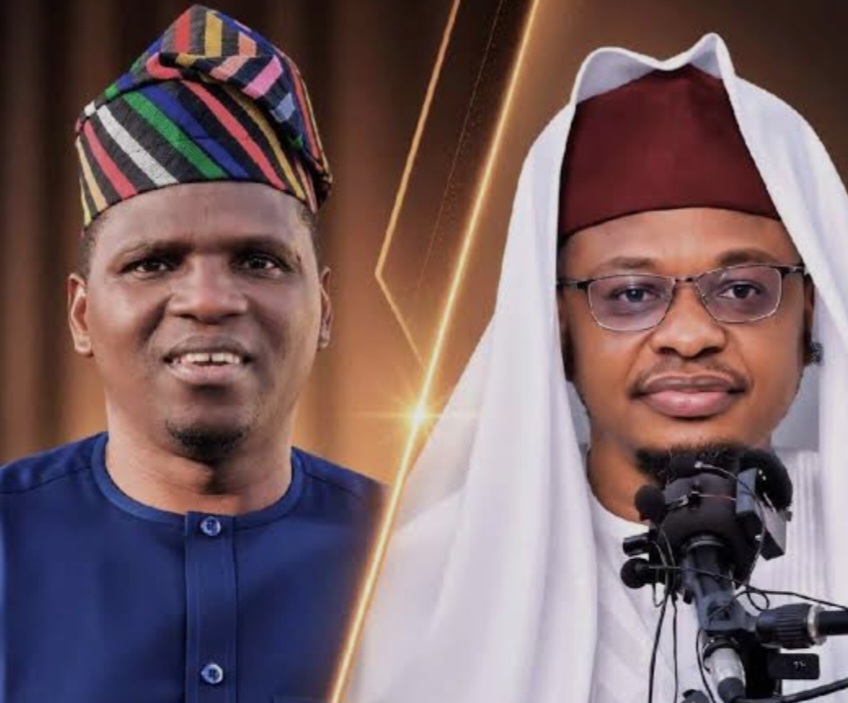
The song, released on Thursday, has generated widespread reactions across Northern Nigeria after it criticised former Minister of Communications and Digital Economy, Professor Isa Ali Pantami, while openly endorsing the All Progressives Congress (APC) governorship candidate in Gombe State, Dr. Jamilu Isyaku Gwamna.
However, it was not the endorsement of Gwamna that dominated public discourse. Instead, the lyrics containing allegations against Pantami—allegations that have not been substantiated—triggered fierce criticism from supporters of the former minister, religious leaders, political observers, and many social media users who accused the singer of crossing the line between political advocacy and personal attacks.
Within hours of its release, the song became one of the most discussed political topics across Hausa-speaking communities, with debates spilling onto radio programmes, television discussions, and digital platforms.
For decades, political songs have occupied a unique place in Northern Nigerian politics. Musicians have historically celebrated leaders, encouraged voter participation, praised development projects, and sometimes criticised governments. Their performances often accompany campaign rallies and political gatherings, making them influential voices capable of shaping public opinion.
Yet analysts say the latest controversy reflects a worrying transformation in the role of political musicians.
Former Minister of Sports and Youth Development Solomon Dalung, reacting to the public outrage, expressed concern that political music in Northern Nigeria is gradually losing its traditional value.
According to him, political songs were once powerful instruments of civic education, enlightenment, mobilisation, and inspiration. Today, he argued, many productions are increasingly centred on insults, ridicule, and the destruction of opponents’ reputations rather than promoting ideas or policy debates.
Dalung’s intervention has resonated with many political observers who believe the current atmosphere reflects the wider decline in the quality of Nigeria’s political discourse.
Analysts note that election campaigns across the country are becoming increasingly personality-driven, with attention shifting away from governance records, development plans, economic proposals, and public accountability.
Instead of discussing unemployment, insecurity, education, healthcare, infrastructure, or poverty reduction, political conversations are increasingly dominated by viral songs, social media exchanges, personal accusations, and attacks on political opponents.
The Rarara controversy has therefore become more than a dispute involving a singer and a former minister. It has evolved into a broader conversation about political ethics, freedom of artistic expression, and the responsibilities that accompany influence in democratic societies.
Political communication experts argue that musicians possess enormous persuasive power, particularly in Northern Nigeria where campaign songs often enjoy wider reach than formal political speeches.
That influence, they say, carries corresponding responsibility.
While artists are entitled to express political preferences and support candidates of their choice, analysts caution that introducing unverified personal allegations into campaign material risks inflaming tensions, damaging reputations, and distracting voters from substantive issues.
Supporters of Rarara, however, insist that political music has always been confrontational and satirical. They argue that musicians, like comedians and writers, should enjoy broad creative freedom without excessive restrictions from political actors.
Others counter that freedom of expression should not be confused with the freedom to make damaging claims without evidence, especially during politically sensitive periods.
The controversy also reflects the growing significance of entertainers in Nigerian politics.
Unlike conventional politicians, influential musicians often command loyal audiences that transcend party affiliations. Their songs travel rapidly through markets, transport parks, social gatherings, and digital platforms, making them formidable players in shaping political narratives.
This growing influence has encouraged politicians to increasingly rely on musicians to energise supporters and popularise campaign messages.
Yet critics argue that the same influence can become dangerous when political entertainment shifts from promoting ideas to deepening divisions.
Observers believe the incident should prompt political parties, campaign organisations, and public figures to reassess the tone of political messaging as preparations for future elections gather momentum.
Many analysts maintain that democracy thrives best when campaigns revolve around competing visions for development rather than personal hostility.
For Gombe State, where political competition is expected to intensify ahead of the governorship election, the debate has added another layer of complexity to an already active political landscape.
Although the song was intended to project support for APC candidate Dr. Jamilu Gwamna, much of the public conversation has instead focused on the controversy surrounding its lyrics, overshadowing the political message the campaign sought to deliver.
This outcome illustrates a recurring lesson in modern political communication: controversy often eclipses policy.
As reactions continue to pour in, one message appears to unite many commentators regardless of political affiliation—that Northern Nigeria’s rich tradition of political music should remain a vehicle for enlightenment, civic engagement, and democratic participation rather than becoming a platform for personal attacks.
Whether the backlash ultimately reshapes campaign strategies remains uncertain. What is clear, however, is that the debate sparked by Rarara’s latest release has reignited a national conversation about the standards of political discourse and the role artists should play in strengthening, rather than weakening, Nigeria’s democratic culture.
With election activities expected to gather momentum in the coming months, political analysts believe the choices made by musicians, politicians, and campaign strategists today could significantly influence not only public opinion but also the quality of democratic engagement across the country.
Abdullahi Inuwa Social Commentator ainuwa303@gmail.com
About The Author
