



The Federal Government has announced plans to begin phasing out electricity subsidies from 2027, signalling a major shift in Nigeria’s power sector financing as authorities seek to tackle mounting debts and place the industry on a more sustainable footing.
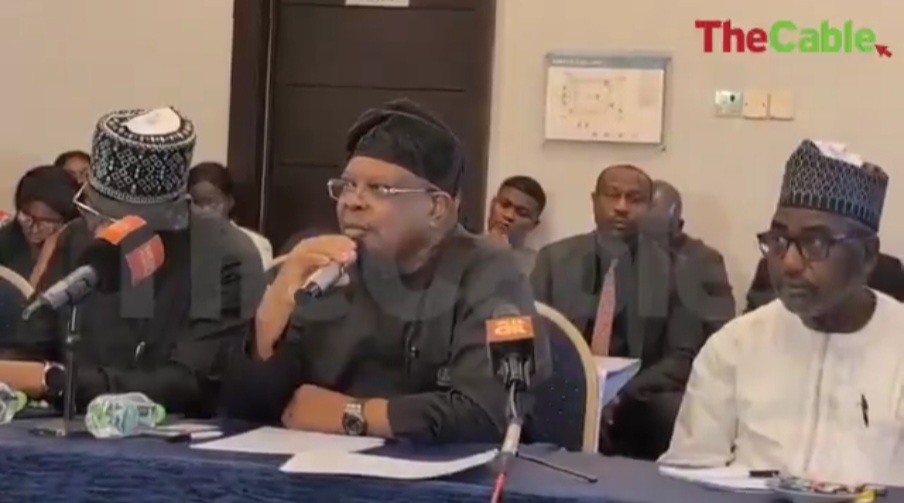
Minister of Power, Joseph Tegbe, disclosed the plan on Friday during a media interactive session, where he addressed concerns over the growing financial burden of subsidy payments and the lingering debt crisis in the electricity sector.


According to the minister, the withdrawal of subsidies will not happen abruptly but will be implemented gradually to cushion the impact on consumers while ensuring that Nigerians continue to enjoy the benefits of improved electricity services.
Tegbe said the government’s objective is to build a financially viable power sector capable of attracting investment, improving service delivery and ending the cycle of debt that has continued to weigh heavily on electricity generation and distribution.
He stressed that although subsidy payments will be phased out from next year, the Federal Government remains committed to protecting consumers and ensuring that reforms do not leave vulnerable Nigerians worse off.
The announcement comes amid sustained concerns over the huge cost of subsidising electricity tariffs, with the government shouldering billions of naira to bridge the gap between the actual cost of supplying power and what consumers currently pay.
Industry experts have repeatedly warned that the subsidy regime has weakened the financial health of electricity generation companies, distribution companies and other players across the power value chain, limiting investments needed to improve power supply.
The planned phase-out is expected to form part of broader reforms aimed at stabilising Nigeria’s electricity market, reducing fiscal pressure on government finances and creating a more efficient and self-sustaining power sector.
While details of the implementation framework are yet to be unveiled, the minister assured Nigerians that the transition would be carefully managed to minimise disruptions and protect consumers as the country moves towards a subsidy-free electricity market.
About The Author
