



By Abdullahi Inuwa
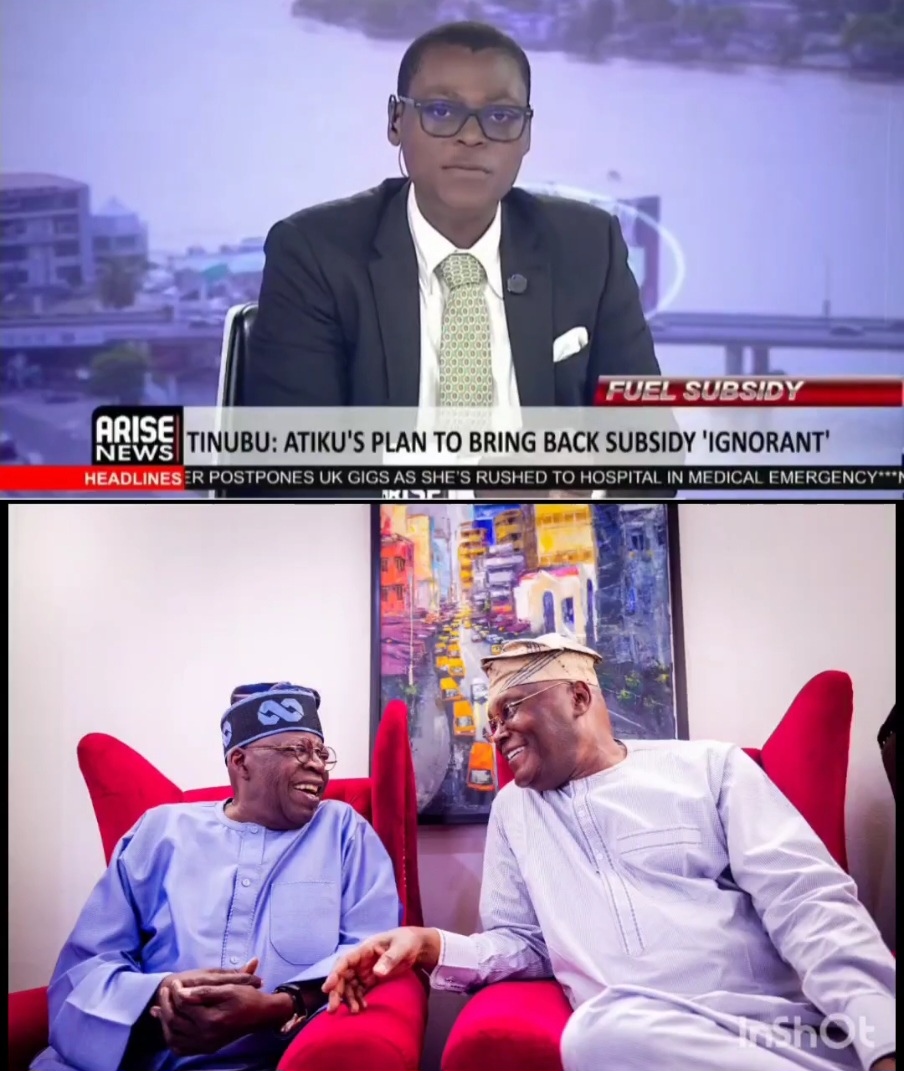
A fresh political storm is gathering around Nigeria’s controversial fuel subsidy policy, with political analysts arguing that President Bola Ahmed Tinubu’s camp must answer difficult questions about its past and present positions.


The debate was reignited by media personality Rufai Oseni, who questioned the logic of branding former Vice President Atiku Abubakar “economically ignorant” for advocating the return of fuel subsidy.
At the heart of the controversy is an apparent shift in political positions.
Analysts point out that Tinubu, before becoming President, had previously criticised the removal of fuel subsidy and expressed concerns about the impact such a decision could have on ordinary Nigerians. Years later, however, his administration has made subsidy removal a central pillar of its economic reform agenda.
For critics, that history makes the current political exchange more complicated than a simple argument between the ruling party and the opposition.
The real question, they say, is whether the policy has produced enough tangible benefits to justify the hardship Nigerians have endured since its removal.
Has the cost of transportation fallen?
Have food prices become more affordable?
Has electricity supply significantly improved?
Have healthcare services become more accessible?
Has insecurity eased?
And, perhaps most importantly, has the purchasing power of the average Nigerian recovered?
These questions, analysts argue, should take centre stage in the subsidy debate rather than political name-calling.
Atiku’s proposal to reconsider subsidy, they note, is not necessarily an argument for returning to the old system without reforms. Rather, it challenges the government to demonstrate that the economic benefits promised after subsidy removal are reaching ordinary citizens.
That distinction has given the opposition an opportunity to turn economic hardship into a major political campaign issue.
Analysts say the subsidy controversy is particularly sensitive because Nigerians experience the consequences of fuel prices directly in their daily lives. The impact is felt in transport fares, food prices, school expenses, business operating costs and household budgets.
The argument, therefore, has moved far beyond television studios and political rallies.
It is being discussed at filling stations, in markets, inside commercial buses and in homes across the country.
For the APC and the Presidency, the challenge is no longer simply to defend the economic rationale behind subsidy removal. They must also convince Nigerians that the sacrifices demanded by the reform will eventually translate into measurable improvements in their standard of living.
Political observers contend that dismissing Atiku’s proposal as economic ignorance could prove insufficient, particularly when millions of Nigerians are still grappling with the rising cost of living.
The emerging political battle may consequently be less about whether subsidy should simply return or remain abolished, and more about which economic model can deliver relief while protecting government finances.
As the 2027 political contest draws closer, analysts believe the subsidy question could become one of the defining economic issues of the election.
For Nigerians, however, the debate is ultimately simple: whatever policy government chooses, what matters most is whether life becomes easier for the ordinary citizen.
About The Author
