



By Abdullahi Alhassan, Kaduna
The Kaduna State Climate Change Accountability Mechanism, KADCCAM, has joined the global community to commemorate World Breastfeeding Week 2026, urging stakeholders to recognize breastfeeding as a key strategy for improving public health, child survival, and climate resilience.


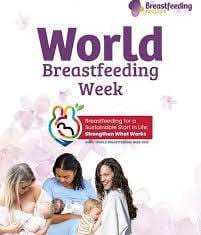
Observed worldwide from 1st to 7th August 2026, this year’s World Breastfeeding Week focuses on supporting breastfeeding in all settings. KADCCAM said the campaign provides an opportunity to highlight the connection between maternal and child health and sustainable development in the face of climate change.
In a statement issued on Friday, By Ibrahima Yakubu Co- Chair said KADCCAM noted that breastfeeding remains the foundation for healthy childhood development and also plays a critical role in building stronger, more resilient communities.
“Breastfeeding is not only a foundation for healthy childhood development but also an important part of building resilient communities,” the statement read.
The agency explained that supporting breastfeeding contributes to sustainable practices by reducing reliance on environmentally intensive alternatives such as infant formula, which require manufacturing, packaging, transportation, clean water, and fuel for preparation.
“In the face of climate change challenges, supporting breastfeeding contributes to sustainable practices by reducing dependence on environmentally intensive alternatives and strengthening family and community resilience,” KADCCAM stated.
Experts say breast milk is a natural, renewable resource that requires no packaging or energy to produce, making it one of the most climate-friendly options for infant feeding, especially during emergencies when supply chains are disrupted.
KADCCAM expressed concern that climate change continues to affect food security, public health, livelihoods, and the well-being of vulnerable populations in Kaduna State and across Nigeria.
With rising temperatures, erratic rainfall, flooding, and drought affecting agriculture and access to health services, the agency said mothers and children are among the groups most at risk.
“Therefore, protecting and promoting breastfeeding must remain part of our broader commitment to climate action, sustainable development, and improved health outcomes for all,” it added.
KADCCAM called on government institutions, development partners, civil society organizations, traditional and religious leaders, employers, and communities to create supportive environments where mothers can practice exclusive breastfeeding without barriers.
Specifically, the agency urged stakeholders to ensure nursing mothers have access to accurate information, healthcare services, workplace support, and social protection needed to breastfeed exclusively for the first six months and continue breastfeeding with complementary foods up to two years or beyond.
“As we celebrate this important week, let us renew our commitment to policies and actions that connect climate responsibility, maternal health, child nutrition, and community resilience,” KADCCAM said.
The agency concluded that investing in breastfeeding is investing in the future of Kaduna State. By prioritizing maternal and child nutrition alongside climate action, the state can build a healthier and more productive population capable of withstanding climate shocks.
“Together, we can build a healthier, more sustainable, and climate-resilient Kaduna State,” the statement concluded.
World Breastfeeding Week is marked annually to increase awareness on the benefits of breastfeeding and to mobilize support for policies and programs that protect and promote breastfeeding globally.
About The Author
