



By Abdullahi Inuwa
The Emir of Gwandu and Chairman of the Kebbi State Council of Chiefs, Alhaji Muhammad Iliyasu Bashar, has pledged to rally traditional rulers across the state in an intensified campaign against preventable diseases threatening the lives of children.


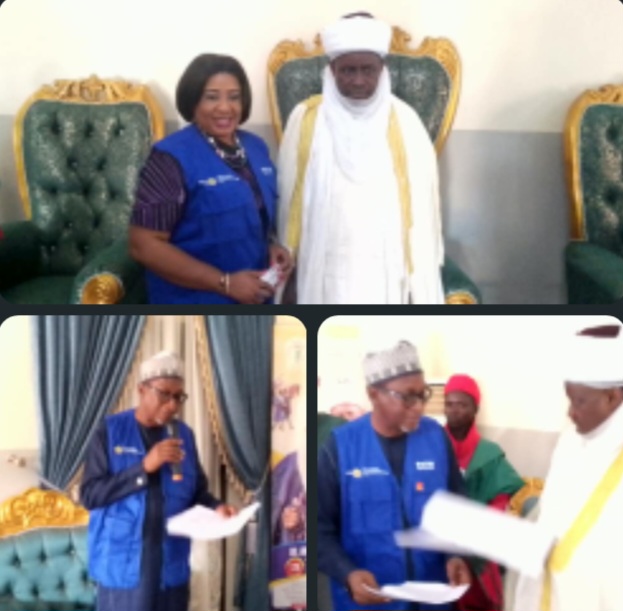
The monarch made the commitment when he received officials of the Rotary Health Communities Challenge (RHCC), who visited his palace as part of an advocacy campaign aimed at strengthening grassroots efforts to combat childhood diseases.
Represented by the District Head of Bunza and focal person for health activities within the Traditional Council, Dr Aminu Haliru Bunza, the Emir assured the delegation that traditional institutions in Kebbi would give serious attention to initiatives designed to safeguard children’s health.
Dr Bunza said the traditional council fully supports programmes capable of improving the wellbeing of children, stressing that community leaders would make maximum use of every opportunity available to protect vulnerable children.
He disclosed that village heads and ward leaders had already been actively involved in health advocacy within their communities, particularly in promoting malaria prevention and polio vaccination.
According to him, traditional leaders have continued to engage residents who oppose vaccination, stressing that the palace would leave no stone unturned in ensuring that children receive the protection they need against preventable diseases.
Earlier, the RHCC team leader, Past District Governor Sagab Sani, said the delegation was at the palace to seek the Emir’s support for efforts to protect children from diseases that remain among the leading causes of deaths among under-five children in Nigeria.
He identified malaria, pneumonia and diarrhoea as major childhood killers, noting that the RHCC intervention was designed to take essential healthcare services directly to underserved communities.
Sani explained that the project had recruited, trained and equipped trusted members of local communities as health volunteers who visit households to provide free testing, diagnosis and life-saving treatment.
He appealed to the Emir to use his traditional authority to strengthen community acceptance of the programme, noting that grassroots health interventions would be difficult to sustain without the confidence and cooperation of traditional institutions.
The RHCC team leader also expressed appreciation to the Emir and the traditional leaders for receiving the delegation and providing an opportunity to discuss ways of improving child health across Kebbi State.
The Rotary Health Communities Challenge is implementing a three-year intervention supported by Rotary International and PATH, with a focus on tackling malaria, pneumonia and diarrhoea—the three major causes of death among children under five in Nigeria.
About The Author
