



By: Abdullahi Inuwa
…..From Isolated Villages to Thriving Economic Corridors, Governor’s Infrastructure Drive Reshapes Lives


In many parts of Yobe State, there was a time when distance was measured not only in kilometres but in hardship. Communities separated by poor roads struggled to access markets, healthcare facilities, schools and other essential services. For many residents, traveling from one town to another was often a difficult and costly undertaking.
Today, however, the story is changing.
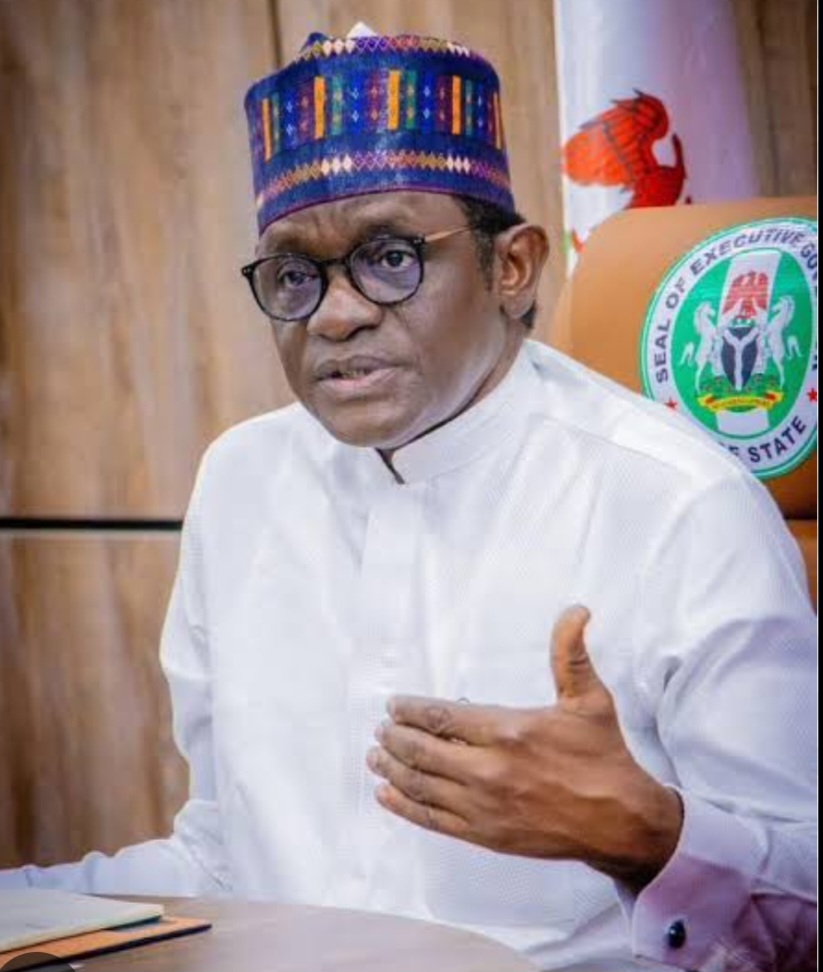
Across the state, newly constructed and rehabilitated roads are transforming rural and urban communities alike, creating economic opportunities and improving the daily lives of thousands of residents. At the centre of this transformation is Governor Mai Mala Buni, whose administration has embarked on one of the most ambitious road infrastructure programmes in the state’s history.
With over one thousand kilometres of roads constructed and rehabilitated across Yobe, the governor’s infrastructure agenda is increasingly being viewed as a major catalyst for economic growth, social integration and sustainable development.
Observers say the road projects have done more than improve transportation; they have connected communities that were once isolated, stimulated commercial activities and strengthened the bond between different parts of the state.
For farmers in rural communities, the impact has been particularly significant. Agricultural produce that previously took hours or even days to reach markets can now be transported more efficiently. Traders have easier access to customers, while transport operators report reduced travel time and lower vehicle maintenance costs.
In several communities, residents describe the road network as a lifeline that has opened new opportunities for business, education and healthcare.
The projects have also enhanced access to government services, allowing communities that were previously difficult to reach to become more integrated into the state’s development framework.
From major urban centres to remote settlements, the expanding road network has created corridors of economic activity, attracting investments and encouraging greater movement of goods and services.
Many residents believe the infrastructure drive reflects a broader vision of ensuring that development reaches every corner of the state rather than being concentrated in a few urban areas.
Political analysts note that infrastructure remains one of the most visible indicators of governance, and road construction often leaves a lasting impression because of its direct impact on people’s lives.
In Yobe, the roads have become symbols of accessibility and inclusion, bringing distant communities closer to centres of commerce and administration.
For years, some villages were cut off during the rainy season, leaving residents with limited access to healthcare facilities and educational institutions. Today, improved road connectivity has helped address many of those challenges.
Parents can travel more easily to schools, patients can access medical care faster, and businesses can expand their reach beyond local markets.
The benefits extend beyond economics. Community leaders say improved connectivity has strengthened social relationships by making it easier for families and communities to interact, attend cultural events and maintain traditional ties.
As road networks continue to expand, many residents see the projects as investments that will benefit future generations.
Supporters of the administration argue that the significance of the road programme lies not merely in the kilometres covered but in the opportunities created for ordinary citizens.
According to them, every completed road represents improved access, reduced isolation and greater prospects for development.
The governor’s commitment to infrastructure development has earned recognition from various stakeholders who view the projects as a foundation for long-term growth.
Roads linking local government areas, towns and rural settlements have helped unlock economic potential while improving security response and administrative efficiency.
Development experts often describe transportation infrastructure as the backbone of economic progress, and Yobe’s experience appears to support that assessment.
Where roads are available, businesses flourish, investments increase and communities become more resilient.
For many residents, the transformation is evident in everyday life. Commercial vehicles now reach destinations that were once difficult to access. Farmers transport their harvests with greater ease, while entrepreneurs explore new business opportunities along emerging economic corridors.
As construction activities continue across different parts of the state, expectations remain high that additional communities will benefit from improved connectivity.
Governor Buni’s administration maintains that infrastructure development remains central to its vision of creating a prosperous and inclusive Yobe.
Whether viewed from the perspective of economic development, social integration or public service delivery, the road projects have become a defining feature of the administration’s legacy.
For many citizens, the roads are more than physical structures of asphalt and concrete. They represent access to opportunity, connection to markets and hope for a better future.
Years from now, long after construction equipment has left the project sites, the impact of these roads is expected to endure through the businesses they support, the communities they connect and the lives they continue to improve.
As vehicles move daily across the expanding network, they carry not only people and goods but also the promise of a state that is steadily overcoming barriers of distance and isolation.
In the eyes of many residents, the story of Yobe’s road revolution is ultimately a story of connection—a journey from neglect to opportunity, from isolation to integration, and from limited access to renewed possibilities for growth and development.
Abdullahi Inuwa Social Commentator ainuwa303@gmail.com
About The Author
