



By: Abdullahi Inuwa
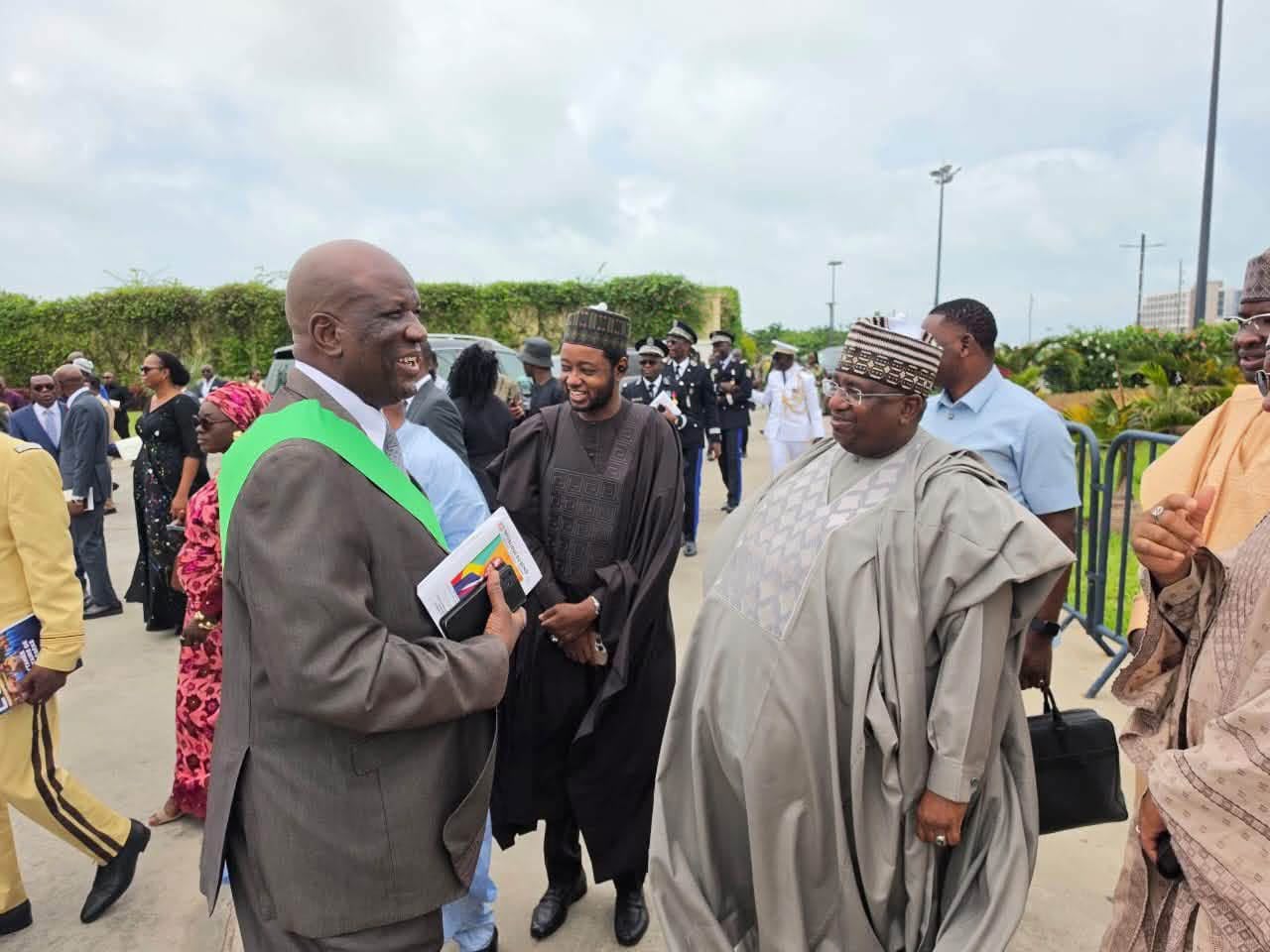
When Kebbi State Governor, Dr. Nasir Idris, crossed into the Republic of Benin to join the country’s 66th Independence Anniversary celebrations, it was far more than a ceremonial visit. It was a calculated diplomatic move that highlighted the growing importance of border cooperation in driving economic growth, strengthening security, and fostering regional unity across West Africa.


At a time when nations are increasingly turning inward amid global political and economic uncertainties, Governor Idris chose a different path—one that places friendship, cooperation, and shared prosperity at the heart of governance.
For Kebbi State, Benin Republic is not merely a neighbouring country. It is a longtime trading partner, a cultural ally, and a gateway to broader opportunities within the West African sub-region. Long before colonial boundaries divided Africa, communities on both sides of the border exchanged goods, shared traditions, celebrated festivals, and built family ties that remain strong to this day.
Those enduring historical connections formed the backdrop to Governor Idris’ diplomatic outing, reinforcing the message that the future of border communities lies in partnership rather than isolation.
Political analysts say the visit reflects a new style of leadership in which governors are becoming ambassadors of economic diplomacy. Beyond managing state affairs, they are increasingly expected to attract investments, deepen international partnerships, and create opportunities capable of transforming local economies.
For Kebbi, one of Nigeria’s strategic border states, that responsibility carries enormous significance. Its location places it at the frontline of regional trade, making peaceful relations with neighbouring countries not only desirable but essential for sustained development.
By identifying with the government and people of Benin during their independence celebration, Governor Idris reaffirmed Kebbi’s commitment to peaceful coexistence and stronger bilateral cooperation. Such goodwill, experts say, lays the foundation for increased commercial activities, enhanced border security, cultural exchange, tourism, and greater investor confidence.
The visit also aligns with the vision of the Economic Community of West African States (ECOWAS), which continues to promote free movement of people, regional trade, and economic integration. While regional agreements are signed at the highest political levels, their success ultimately depends on practical collaboration among border communities and subnational leaders like Governor Idris.
Beyond diplomacy, the governor’s presence carried a powerful political message—that development flourishes where neighbours trust one another and work together toward common goals. In an era when insecurity and economic pressures threaten regional stability, stronger cross-border relationships have become indispensable.
Observers note that genuine leadership is measured not only by projects commissioned or policies announced, but also by the ability to build lasting partnerships that improve the lives of citizens. Governor Idris’ visit demonstrated that diplomacy can serve as a powerful tool for peace, commerce, and sustainable development.
The governor was accompanied by an influential delegation comprising the Member representing Suru/Bagudo Federal Constituency, Hon. Bello A. Kaoje; APC stalwart Alhaji Ibrahim Bagudu; Commissioner for Agriculture Alhaji Shehu Mu’azu; prominent businessman Alhaji Abubakar Shehu Naingila; Faruku Abubakar Bube; and other senior government officials.
As Kebbi continues to position itself as Nigeria’s western commercial gateway, Governor Nasir Idris’ diplomatic engagement in Benin stands as a reminder that some of the most impactful investments are not made with bricks and mortar, but through trust, dialogue, and enduring friendships.
In a region where borders can either divide or unite, Governor Idris has signalled that Kebbi’s future will be built on cooperation, neighbourliness, and a shared vision of prosperity that reaches far beyond the frontier.
About The Author
