



By: Abdullahi Inuwa
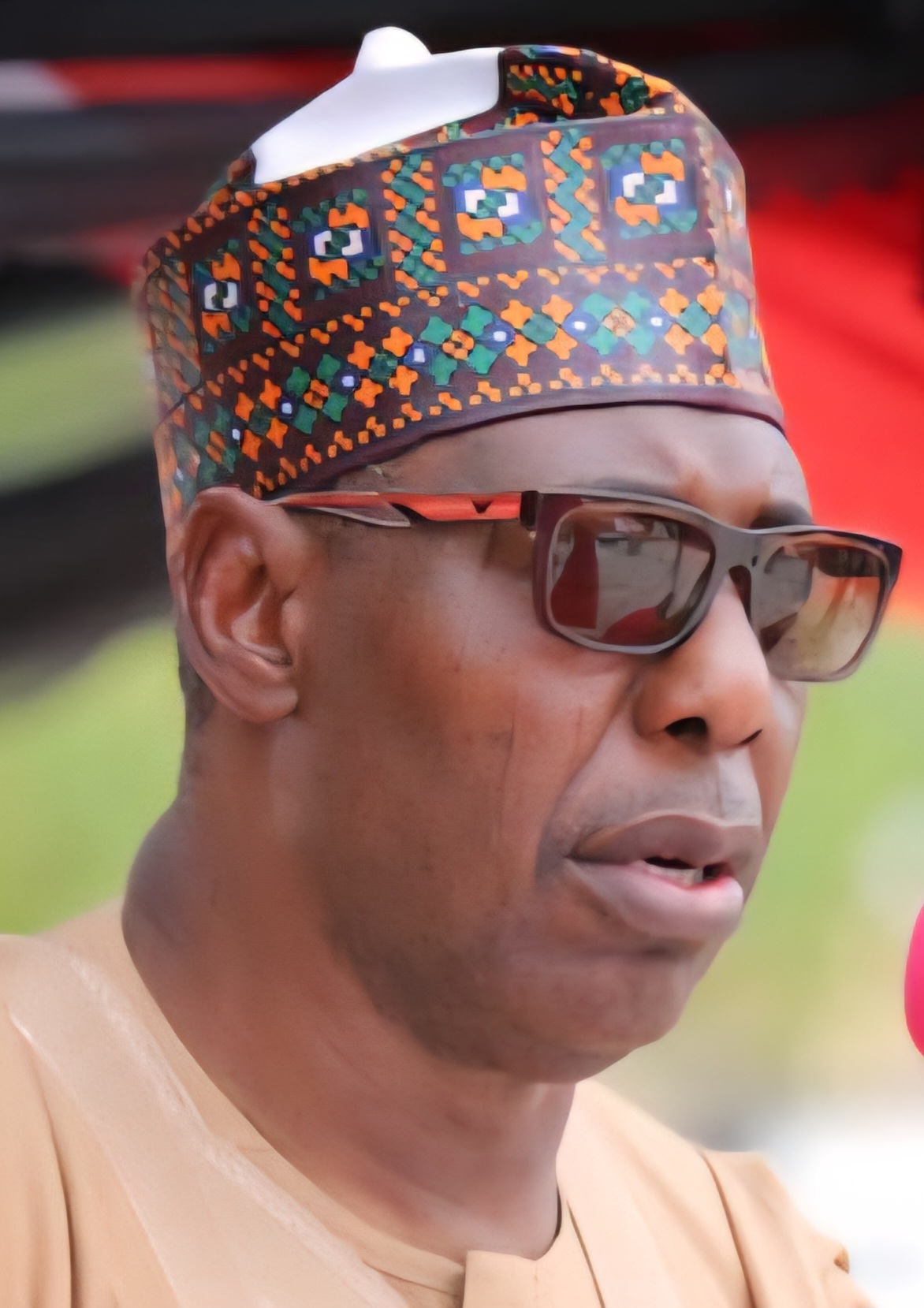
In a region long defined by conflict, fear and displacement, one name has steadily come to symbolize defiance, rebuilding and uncommon leadership—Professor Babagana Umara Zulum.


From the dusty frontlines of insurgency-ravaged communities to the corridors of power, the Borno State Governor has carved a reputation as a leader who governs not from a distance, but from the heart of the storm. For many, Zulum is not just a politician—he is a field commander in civilian clothing, a crisis manager, and a symbol of resilience in Nigeria’s North-East.
Zulum’s leadership style is anything but conventional. While most leaders rely on briefings and reports, he prefers first-hand assessments. It is not unusual to see him traveling to remote, volatile areas under tight security, inspecting projects, engaging displaced persons, or supervising humanitarian interventions. In places where others hesitate to go, Zulum shows up—often unannounced.
His hands-on approach has earned him both admiration and scrutiny. Supporters describe him as fearless and deeply committed to his people. Critics, while acknowledging his energy, sometimes question the risks associated with his frequent visits to insecure areas. Yet, for Zulum, governance without presence is incomplete.
At the core of his administration is a clear priority: rebuilding lives shattered by over a decade of insurgency. Under his watch, Borno has witnessed a steady rollout of reconstruction projects—schools, hospitals, roads, and housing estates rising from the ruins of conflict. Thousands of internally displaced persons have been resettled, with efforts focused on restoring not just shelter, but dignity and livelihoods.
Education, in particular, has been a cornerstone of his agenda. A professor by background, Zulum understands the transformative power of learning. His government has invested heavily in rebuilding schools, recruiting teachers, and providing scholarships, even as security challenges persist. In a region where insurgents once targeted classrooms, the return of education is both symbolic and strategic.
Healthcare has also seen renewed attention, with new facilities constructed and existing ones rehabilitated to serve communities that had long been cut off from basic services. His administration’s push to strengthen primary healthcare reflects a broader commitment to improving quality of life across the state.
But perhaps Zulum’s most defining trait is his zero-tolerance stance on corruption and inefficiency. Known for his strict oversight, he has repeatedly warned contractors and public officials against substandard work and diversion of resources. Several projects have reportedly been revoked or reassigned due to poor execution, sending a clear message that accountability is non-negotiable.
Beyond infrastructure, Zulum has also focused on stabilizing communities and promoting coexistence. In a region marked by deep social fractures, his administration has supported reconciliation efforts, community dialogues, and initiatives aimed at reducing tensions between farmers and herders.
Yet, the challenges remain daunting. Security threats persist, with insurgent groups still active in parts of the state. Humanitarian needs continue to stretch resources, and rebuilding efforts require sustained funding and coordination. Zulum himself has repeatedly called for stronger federal support, improved military capacity, and international collaboration to secure lasting peace.
Despite these hurdles, his leadership has not gone unnoticed. Across Nigeria and beyond, Zulum is increasingly viewed as a model of crisis governance—one that blends urgency with empathy, and action with accountability.
To his supporters, he represents what leadership should look like in difficult times: visible, decisive, and people-focused. To others, he is a reminder that even in the most challenging environments, governance can make a tangible difference.
As Borno continues its journey from conflict to recovery, one thing remains clear: the story of its rebuilding is, in many ways, the story of the man at its helm.
Zulum is not just governing Borno—he is redefining leadership in adversity.
And in the theatre of Nigeria’s most complex crisis, “The Man Zulum” continues to stand tall—undaunted, unyielding, and unmistakably committed to his people.
Abdullahi Inuwa Social Commentator ainuwa303@gmail.com
About The Author
