



By: Abdullahi Inuwa
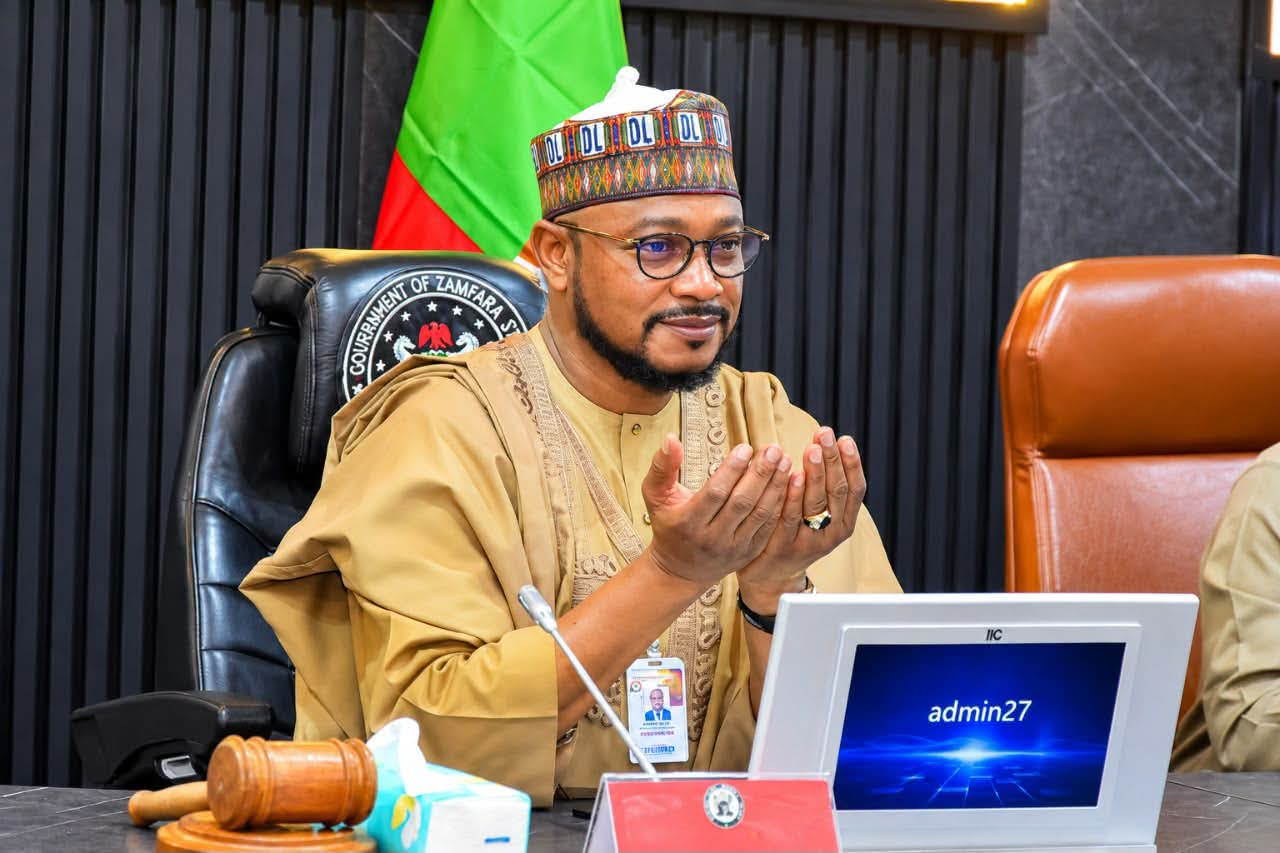
Governor Dauda Lawal of Zamfara State is advancing an ambitious development agenda that combines massive infrastructure investment, social welfare programmes, religious support and grassroots empowerment, in what his administration describes as a determined effort to rebuild the state and restore public confidence in governance.


From the construction of strategic roads connecting rural communities to the rehabilitation of hospitals and schools, support for religious institutions and the distribution of hundreds of vehicles and thousands of motorcycles, the governor’s Rescue Mission Agenda is taking a broad-based approach to addressing the state’s development challenges.
The administration’s approach reflects the understanding that meaningful governance must go beyond political promises to deliver projects and opportunities that directly affect the everyday lives of citizens.
95KM ROAD PROJECT, STRATEGIC CONNECTIVITY DRIVE
One of the most significant infrastructure interventions is the 95-kilometre road construction project in Tsafe Local Government Area, covering Yandoton Daji, Cediya, Doka, Yan Waren Daji, Hayin Alhaji Bedi, Unguwar Joji, Yankuzo and Tsafe, alongside five bridges.
The project, divided into two phases of 47 kilometres and 48 kilometres, is expected to improve transportation, connect farming communities and strengthen the movement of security personnel across the area.
The governor has maintained that road infrastructure is central to his administration’s strategy for economic recovery, improved security and rural development.
Another major intervention is the approximately 53-kilometre Gusau–Jauri–Dogon Kade–Nasarawa Mailayi–Nasarawa Godel Road, which connects Gusau, Bungudu, Kaura Namoda and Birnin Magaji local government areas.
The project is designed to improve access between communities, facilitate agricultural trade and reduce transportation difficulties for residents.
Other strategic projects include the Tashar Abu–Kekun Waje–Bingi Road and the Kwatarkwashi–Mada Road, further demonstrating the administration’s determination to address infrastructure deficits across the state.
These projects are particularly important to farming communities, where poor road networks often increase the cost of transporting agricultural produce and restrict access to markets.
HOSPITALS: IMPROVING ACCESS TO HEALTHCARE
Healthcare development also occupies an important position in the administration’s agenda.
Among the notable interventions is the renovation and equipping of the General Hospital in Tsafe, which was among five strategic projects commissioned by Governor Lawal in January 2026.
The project is expected to strengthen healthcare delivery and improve access to medical services for residents of Tsafe and neighbouring communities.
The administration has also pursued improvements in emergency medical services, including the reception of five tricycle ambulances donated through the Federal Ministry of Health’s National Emergency Medical Service and Ambulance System.
The ambulances are intended to improve emergency transportation, particularly for pregnant women and residents of underserved communities where conventional ambulance services may be difficult to access.
The renovation and equipping of the State Emergency Medical Services and Ambulance System call centre is another intervention aimed at improving emergency response coordination.
The broader objective is to ensure that healthcare services become more accessible, responsive and effective, particularly for vulnerable residents.
EDUCATION: BUILDING A STRONGER FOUNDATION
Education remains another critical component of the governor’s development priorities, with interventions targeting the rehabilitation of schools, improvement of learning environments and strengthening of the state’s educational system.
The administration’s school rehabilitation programme is part of a wider effort to address years of infrastructure challenges confronting public education.
President Bola Tinubu, in his September 2026 birthday message to Governor Lawal, acknowledged the administration’s rehabilitation of more than 800 schools, recruitment of over 2,000 teachers, hospital upgrades and provision of medical supplies.
The recognition underscores the importance of education and human capital development in the state’s broader transformation agenda.
For Zamfara’s younger generation, improved classrooms, better teaching facilities and adequate staffing are essential to creating opportunities and preparing students for a competitive future.
MOSQUES AND RELIGIOUS INSTITUTIONS: INVESTING IN COMMUNITY VALUES.
Governor Lawal’s development agenda also recognises the importance of religious institutions in Zamfara’s social and cultural life.
The reconstruction and remodelling of the Jumu’at Mosque at Yardole, Gusau, named after Malam Sambo Dan Ashafa, represents one of the administration’s interventions in religious infrastructure.
The facility is intended to serve as a centre of worship, Islamic learning and research, reinforcing the relationship between religious development and community advancement.
The administration has also supported Islamic clerics and religious leaders through interventions aimed at strengthening their responsibilities and improving their engagement with communities.
Such initiatives reflect the significance of religious institutions in promoting peace, moral guidance, social cohesion and peaceful coexistence.
2,300 EMPOWERMENT ITEMS: LAWAL REWARDS GRASSROOTS SUPPORT
Perhaps the most striking demonstration of the administration’s grassroots empowerment drive came on November 5, 2026, when Governor Lawal distributed 300 vehicles and 2,000 motorcycles to individuals, groups and political organisations across Zamfara State.
The presentation, held at the Trade Fair Complex in Gusau, attracted attention as one of the administration’s major empowerment exercises.
The distribution was designed to support productive activities, improve mobility, strengthen grassroots organisations and stimulate economic opportunities.
Of particular political significance was the recognition of individuals and groups whose contributions to the socio-economic and political development of the state were acknowledged by the governor.
The initiative also highlights the administration’s determination to recognise party stakeholders and grassroots supporters who have remained active in its political and development activities.
Speaking during the ceremony, Lawal stressed that empowerment must go beyond political promises, insisting that people need practical resources to become economically independent.
He urged beneficiaries to use the vehicles and motorcycles responsibly, explaining that the intervention was intended to facilitate mobility, improve productivity and strengthen economic activities.
The governor further described the distribution as another milestone in his Rescue Mission Agenda, reaffirming his administration’s commitment to rebuilding Zamfara and expanding opportunities for its people.
A POLITICAL MESSAGE BEYOND EMPOWERMENT
Beyond its economic significance, the distribution carries an important political message about the administration’s relationship with its grassroots structures.
In Nigerian politics, party officials, ward executives, community mobilisers and loyal supporters play important roles in sustaining political organisations and connecting leaders with ordinary citizens.
Providing mobility support to such groups can strengthen their operational capacity, although the ultimate value of the intervention will depend on how effectively the beneficiaries deploy the resources.
For Governor Lawal, the strategy presents an opportunity to consolidate grassroots relationships while demonstrating that political participation should be accompanied by tangible empowerment.
However, the administration’s wider development record will ultimately be judged by the quality of its projects, the sustainability of its programmes and the extent to which ordinary residents benefit.
THE RESCUE MISSION AND THE ROAD AHEAD
Zamfara continues to face significant challenges, particularly insecurity, unemployment, poverty and infrastructure deficits. These realities make sustained investment in roads, healthcare, education and economic opportunities especially important.
The administration’s Six-Point Rescue Agenda and Zamfara State Development Plan 2025–2034 provide the policy framework for its wider development ambitions.
The challenge ahead is to ensure that ongoing projects are completed according to specification, public facilities are adequately equipped and empowerment programmes produce sustainable economic benefits.
For Governor Lawal, the emerging development narrative is one that seeks to connect physical infrastructure with human development and political inclusion.
From the 95-kilometre Tsafe road project to hospital rehabilitation, school improvements, mosque development and the distribution of 2,300 vehicles and motorcycles, the administration is presenting a multi-sectoral approach to rebuilding Zamfara.
Ultimately, the success of the Rescue Mission will not be measured merely by the number of roads constructed, hospitals renovated, schools rehabilitated or empowerment items distributed.
It will be measured by safer communities, accessible healthcare, improved education, stronger local economies and better living conditions for the people.
For Zamfara, the real test of Governor Dauda Lawal’s development drive is whether today’s projects and empowerment initiatives will translate into lasting prosperity for generations to come.
Abdullahi Inuwa Social Commentator ainuwa303@gmail.com +2348062255055, +2348028340098
About The Author
