


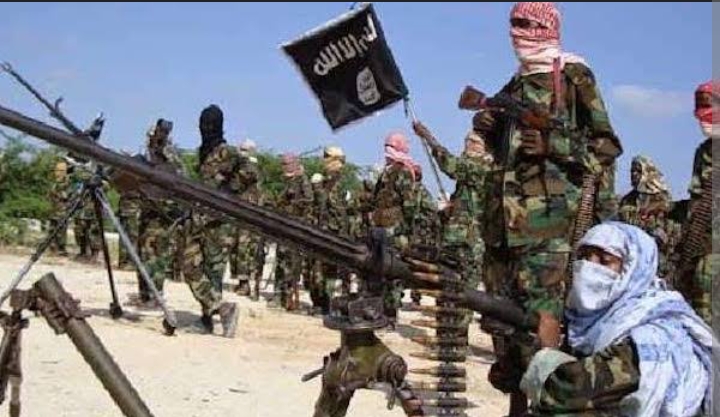

Fresh intelligence signals a deadly power struggle between Boko Haram and Islamic State West Africa Province, as both factions intensify violent confrontations deep the Sambisa Forest and surrounding strongholds.
Sources reveal that the latest wave of clashes erupted in late April, with fighters from both sides locked in fierce battles for dominance across key insurgent corridors in Borno State. The confrontations highlight a growing internal war that now runs parallel to their long-standing insurgency against state forces.


Intercepted communication around 8:43 p.m. on April 30 between suspected Boko Haram operative Ba Musa and an associate, Ya Kazalla, offered rare insight into the unfolding conflict. The exchange reflected deep tensions, competing narratives, and propaganda battles shaping perceptions within insurgent ranks.
Kazalla reportedly raised concerns over claims that ISWAP had secured major victories. But Musa pushed back, insisting Boko Haram had inflicted devastating losses on its rival. He claimed that nearly 100 ISWAP fighters were killed in a major clash on April 29 inside Sambisa Forest.
He further alleged that seven more ISWAP fighters died in a separate confrontation near Molai in Konduga axis, while Boko Haram suffered minimal casualties, with only one fighter reportedly killed.
Though these figures remain unverified, analysts say they underscore the intensity and scale of the rivalry, where both factions seek to project strength, maintain morale, and attract recruits.
Security observers note that such infighting, while difficult to independently confirm, often leads to heavy casualties and disruptions in command structures on both sides. The Sambisa axis and adjoining Lake Chad corridors remain critical battlegrounds, serving as strategic bases for insurgent operations and communication networks.
Despite sustained military pressure, the groups continue to demonstrate resilience, maintaining operational capabilities and internal coordination within these enclaves.
Experts say the escalating clashes present a double-edged sword: while the infighting could weaken insurgent cohesion, it also adds unpredictability to an already volatile security landscape.
As the battle for supremacy rages on, the forests of Borno remain a theatre of shifting alliances, deadly rivalries, and an insurgency far from over.
About The Author
