



By Abdullahi Inuwa
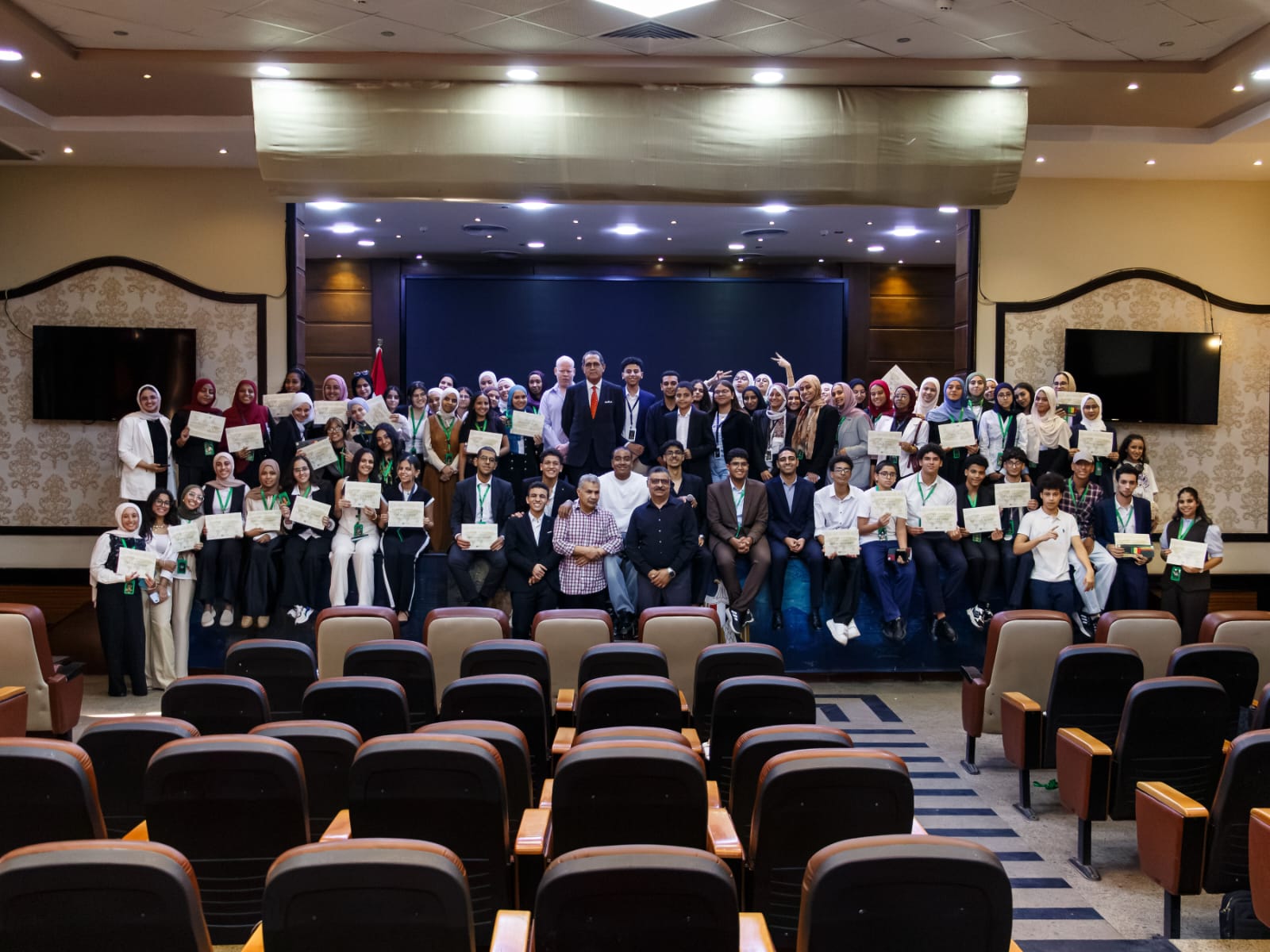
CAIRO — The Global Solidarity Network has concluded the 2026 Egyptian National Model African Union Conference, bringing together 120 students from Schools of Excellence in Science and Technology (STEM) across Egypt for an intensive programme focused on African diplomacy, peace, security, economic integration and civil society.

The month-long training programme, held throughout August 2026, exposed participating students to the workings of the African Union (AU), its decision-making structures and the mechanisms through which African countries collaborate to address shared continental challenges.
The programme combined classroom-based learning with practical simulation exercises designed to give students firsthand experience of negotiation, dialogue, policy formulation and decision-making within an African institutional setting.
The training was organised around three major areas: Peace and Security, Intra-African Trade, and African Civil Society, with experts, researchers and specialists in African affairs contributing to the sessions.
The programme opened with a lecture by Ambassador Amr El Gawaly, Director of the Directorate of African Diaspora Organizations and Civil Society at the African Union Commission in Addis Ababa.
El Gawaly examined the economic contribution of the African diaspora to continental development and provided participants with insights into the broader dimensions of African cooperation and collective action.
Focus on Peace and Security
The Peace and Security track examined conflict management, peacebuilding and governance challenges confronting the continent.
Hassnaa Tammam, African Union Youth Ambassador for Peace for the North Africa Region, led a session on conflict, violence and peace, while Hager Azzouz examined the African Governance Architecture (AGA) and African Peace and Security Architecture (APSA).
Dr. Heba Assem, a governance and peacebuilding specialist at the African Union Commission, challenged participants to consider the role of young Africans in achieving the continent’s ambition of “Silencing the Guns.”
Her session, titled “Silencing the Guns… Building the Future: How Can Youth Contribute to Achieving the Vision of Agenda 2063?”, focused on youth participation in peacebuilding, development and efforts to consolidate stability across Africa.
Political researcher Ibrahim Tantawy also contributed to discussions on contemporary African peace and security issues.
Students Explore Africa’s Economic Integration
The economic component of the conference turned attention to Africa’s efforts to deepen trade and economic integration amid changing regional and global conditions.
Dr. Mohamed Hassan Khodairy, an African economic affairs specialist, discussed the African Continental Free Trade Area (AfCFTA) and its potential role in expanding intra-African commerce and strengthening economic integration.
Dr. Samar El Bagoury, Assistant Professor at the Faculty of African Postgraduate Studies, examined the resilience of African economies and their capacity to withstand geopolitical pressures.
Dr. Raed Salama, founder of Orbit Research and Economic Studies Company, addressed the impact of geopolitical developments on global and African economies, with particular attention to their implications for continental supply chains.
Civil Society Takes Centre Stage
Another major component of the programme focused on the African Union Economic, Social and Cultural Council (ECOSOCC).
The module introduced students to the council’s role in facilitating the participation of civil society organisations and young people in continental affairs.
Ambassador Mohamed Haroun, Vice President of ECOSOCC, delivered a session titled “Towards Conscious African Leadership: The Model of the African Union Economic, Social and Cultural Council.”
He explained the council’s functions and its importance in promoting dialogue between different segments of African society.
Farouk Deif, a researcher at the Information and Decision Support Center of the Egyptian Cabinet and specialist in African affairs, also examined the role of ECOSOCC in shaping Africa’s future and broadening stakeholder participation in development.
Dr. Abdel Latif Gouda, a researcher specialising in international organisations, addressed the accreditation process for civil society organisations and their participation in African Union institutions.
Ghazaly: Youth Must Understand Africa’s Challenges
Speaking on the conclusion of the programme, Hassan Ghazaly, researcher, anthropologist and founder of the Global Solidarity Network, said the initiative was designed to deepen young Egyptians’ understanding of Africa and strengthen their ability to engage with continental issues.
Ghazaly said the African Union Simulation Model goes beyond conventional classroom instruction by allowing participants to experience the decision-making process through practical simulations.
According to him, the initiative seeks to promote an African perspective rooted in the continent’s own realities, priorities and circumstances.
He said the programme equips young participants with skills in dialogue, negotiation, analysis, position formulation and strategic thinking, while exposing them to the interconnected challenges of peace, development and African integration.
Ghazaly maintained that young people should not merely learn about African institutions but should also understand how African countries can work together to address common challenges and exploit opportunities for continental cooperation.
He congratulated the team responsible for implementing the programme, particularly researcher and translator Mervat Sakr, African affairs researcher Abdullah Qazzaz, and Teyam Mohamed, President of the Students of STEM Schools for Science and Technology.
He commended their efforts in coordinating the different tracks and ensuring that participants derived maximum educational and practical value from the programme.
Model AU Programme Dates Back to 2012
The African Union Simulation Model was established in 2012 under the Global Solidarity Network.
The initiative seeks to familiarise Egyptian youth with African Union institutions, continental cooperation and the mechanisms of collective African action.
Through its simulation-based approach, the programme combines academic learning with practical exercises designed to strengthen participants’ abilities in negotiation, dialogue and decision-making.
The conclusion of the 2026 programme therefore marked another stage in the network’s continuing effort to prepare a new generation of young Egyptians with deeper knowledge of Africa and the skills required to participate meaningfully in conversations surrounding the continent’s peace, development and integration.
About The Author
