


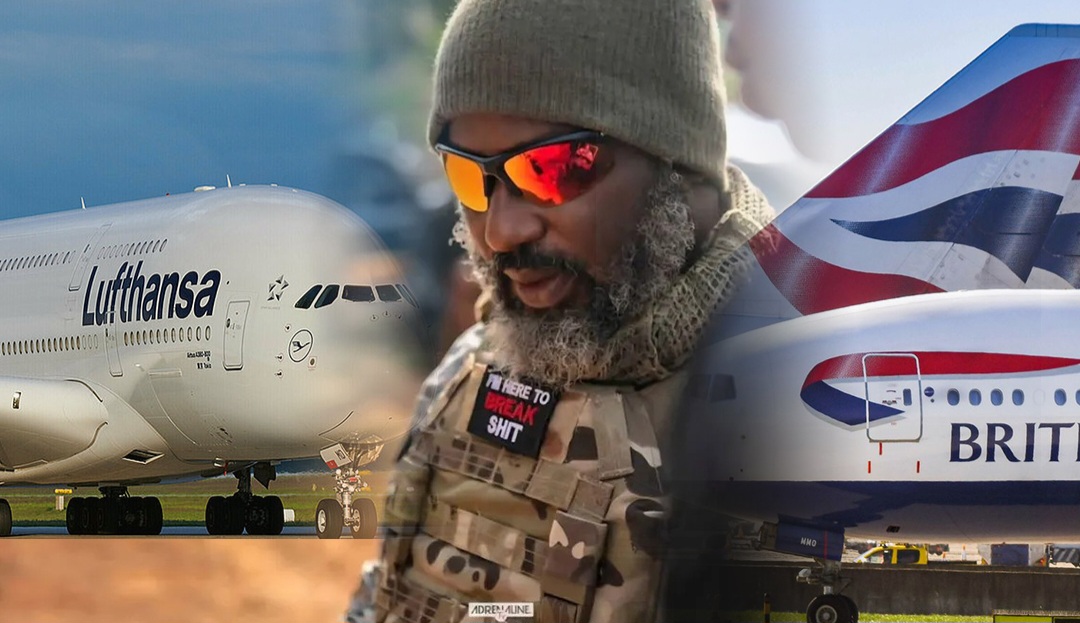

A wave of alarm has swept across the international aviation community following reports that false intelligence may have triggered a chain reaction of global consequences for Nigeria’s security perception.
Multiple sources indicate that Germany’s flagship carrier, Lufthansa, abruptly cancelled scheduled flights, while the United Kingdom’s British Airways reportedly came close to taking similar action amid heightened concerns.


What began as a single intelligence report has now spiraled into a major reputational challenge, raising urgent questions about how quickly unverified security alerts can ripple across borders—and rattle global confidence.
Aviation insiders warn that international airlines are highly sensitive to risk signals, particularly in regions already battling insurgency and instability. In such environments, even unconfirmed threats can trigger swift operational decisions, often erring on the side of caution to protect passengers and crew.
Security analysts say the incident underscores a deeper vulnerability: the fragility of Nigeria’s global security image. “Once doubt is introduced into the system, it spreads fast—and the consequences are immediate,” an expert noted, adding that misinformation can be just as damaging as real threats.
The development has sparked debate among policymakers and industry stakeholders, with calls for tighter intelligence verification protocols and more coordinated communication to prevent panic-driven disruptions.
As airlines reassess routes and risk levels, the bigger question looms: how resilient is international trust in Nigeria’s security framework—and how easily can it be shaken by a single, flawed report?
For now, the episode serves as a stark reminder that in today’s interconnected world, perception can be as powerful as reality—and far more difficult to contain.
Source:@PremiumTimesng
About The Author
