



By Usman Abdullahi Koli
There is a quiet but important distinction in leadership, one that is not always obvious at first glance. It is the difference between reacting to the moment and preparing for what lies ahead. Some leaders respond to issues as they arise, managing situations and keeping things in motion. Others take a broader view, trying to understand patterns, anticipate challenges, and position themselves ahead of time. One preserves the present, the other shapes the future, and in times like these, that difference becomes critical.


The world is changing in ways that demand more awareness and preparation. Economies are shifting toward knowledge and innovation, energy systems are evolving, and nations are rising or falling based on how well they understand the direction of change. In such a climate, leadership cannot remain ordinary or confined to routine thinking. It must be informed, exposed, and capable of engaging with realities beyond the immediate environment.
Bauchi, like many regions with strong potential, stands at an important point. Its land is fertile, its people are resilient, and its resources offer multiple paths to growth. From agriculture to solid minerals, and from natural attractions like Yankari to other untapped opportunities, the foundations for progress are already present. Yet experience has shown that potential on its own does not build a future. What transforms possibility into reality is direction, and direction is guided by vision.
Vision is not guesswork or mere optimism. It is shaped by exposure, experience, and a clear understanding of systems and consequences. It develops in environments where decisions carry weight and where leadership is measured by real outcomes. This is what separates surface-level leadership from one that is grounded and prepared for responsibility.
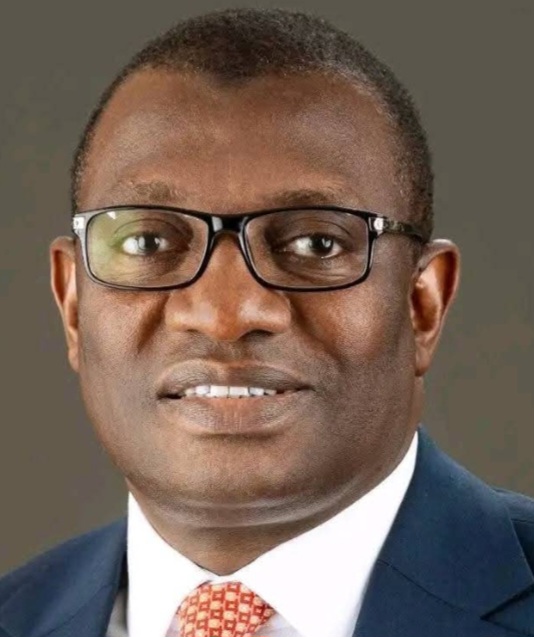
It is within this context that individuals like Dr. Bala Maijama’a Wunti can be understood. His experience within Nigeria’s strategic energy and investment space has placed him in positions where decisions affect systems, institutions, and large populations. That kind of exposure builds a perspective that is practical and measured, one that goes beyond theory and engages directly with complex realities.
Beyond systems and structures, however, leadership also carries a human dimension. It is not only about knowing what to do, but about understanding who it is being done for. It is reflected in how people are treated, the ability to recognize different realities, and the willingness to support others even when it is not publicly visible. Some individuals are known because of their words, while others are known because of the steady impact of their actions.
To some, he is a professional defined by competence. To others, he is a mentor who appeared at a critical moment. To many, he is a steady presence whose influence is felt more than it is seen. There are leaders who announce themselves, and there are those whose work gradually introduces them. Often, the most enduring ones are those who do not seek relevance, but grow into it through consistency and substance.
At this point, Bauchi’s needs go beyond routine administration. It requires clarity of purpose and leadership that understands governance as a serious responsibility, not an experiment. It calls for someone who can look beyond immediate reactions and focus on outcomes that will remain meaningful over time. While intentions may inspire, it is preparation that ultimately determines results.
Just as no structure rises without a plan, no society progresses without clear direction. The question, therefore, is not whether Bauchi can grow, as its potential already makes that clear. The real question is whether it will align itself with leadership that understands growth as a deliberate process requiring patience, structure, and foresight.
In the end, the future is not shaped by those who merely hope for it. It belongs to those who prepare for it.
Usman Abdullahi Koli,
mernoukoli@gmail.com.
About The Author
