



By Abdullahi Inuwa
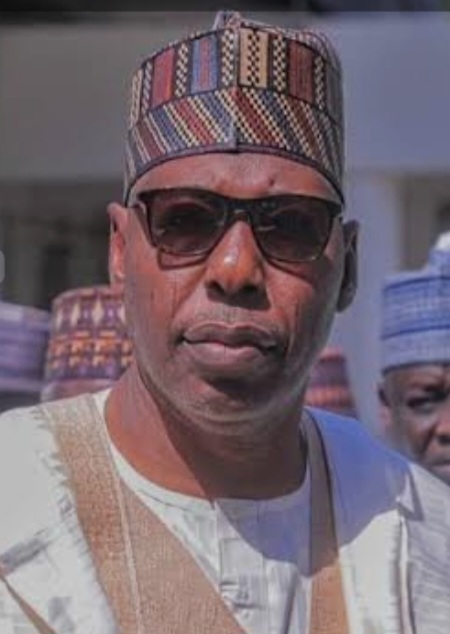
Governor Babagana Umara Zulum’s education revolution in Borno State is increasingly being defined not only by the construction of modern schools, the award of scholarships and massive investment in learning infrastructure, but also by an uncommon commitment to recognising and rewarding those who keep the education system running.


In a move that has further reinforced his reputation as a leader who values dedication and excellence, Governor Zulum on Monday presented three brand-new vehicles to three outstanding principals of public secondary schools in recognition of their exceptional commitment to service.
The latest gesture is more than a ceremonial reward. It reflects a deliberate policy aimed at motivating educators, encouraging excellence and restoring public confidence in the state’s education system after years of disruption caused by insurgency.
For many education stakeholders, the governor’s action sends a powerful message that outstanding performance in public service will not go unnoticed.
The recognition of the three principals comes only a few months after another remarkable intervention by the governor.
Earlier this year, Zulum rewarded seven staff members of the Ministry of Education with six vehicles, a residential house and cash donations for their dedication and exceptional service.
Taken together, the rewards illustrate a leadership philosophy that places equal emphasis on infrastructure and the people responsible for delivering quality education.
Across Borno State, schools that were once destroyed or abandoned due to years of conflict have gradually returned to life through sustained government investment. Hundreds of classrooms have been reconstructed, learning materials supplied, boarding facilities rehabilitated and thousands of children returned to school.
Yet Governor Zulum appears convinced that buildings alone cannot transform education.
Teachers, principals and education administrators remain the backbone of any successful school system. Their commitment, discipline and professionalism ultimately determine whether investments in infrastructure translate into better learning outcomes.
By publicly celebrating exemplary officers, the administration is creating a culture where excellence is recognised rather than taken for granted.
Education experts have long argued that motivation is one of the strongest drivers of improved performance among teachers and school administrators.
While salary remains important, recognition and appreciation often inspire greater commitment and healthy competition among professionals.
The governor’s reward system is therefore likely to encourage principals and teachers across the state to improve standards in school management, student performance and administrative efficiency.
For years, public school teachers in many parts of Nigeria have complained that exceptional performance rarely receives recognition. Promotions are often based solely on years of service, while outstanding contributions receive little public acknowledgement.
Borno appears to be charting a different course.
By rewarding merit openly, the state government is sending a clear signal that hard work matters and that commitment to public service attracts tangible benefits.
This approach is gradually changing perceptions of public education in the state.
Parents are increasingly witnessing improvements in school administration, while education workers see evidence that dedication can lead to recognition beyond routine promotions.
Governor Zulum’s education agenda has consistently focused on rebuilding the sector after years of insurgency disrupted learning across many communities. His administration has invested heavily in school reconstruction, teacher recruitment and training, student scholarships, instructional materials and access to education for displaced children.
The latest recognition of principals complements these broader reforms by addressing the human factor often overlooked in education policy.
A motivated teacher inspires students.
A committed principal builds disciplined schools.
An appreciated workforce delivers better results.
These principles appear to underpin the governor’s continuing investments in the education sector.
Beyond the immediate beneficiaries, the rewards are expected to create healthy competition among school administrators across Borno State.
Principals now have an added incentive to improve academic performance, strengthen discipline, maintain school facilities and demonstrate transparent leadership.
The ripple effects could extend to students, parents and communities, creating a stronger culture of accountability within public schools.
Observers also note that such recognition enhances the prestige of the teaching profession at a time when many states struggle to attract and retain qualified educators.
When teachers and school leaders feel valued, they are more likely to remain committed to their profession and inspire future generations.
Governor Zulum’s approach underscores an important lesson for education reform across Nigeria: meaningful transformation requires investment in both physical infrastructure and the people who manage it.
Classrooms may provide the environment for learning, but motivated educators give them life.
As Borno continues its journey from conflict towards recovery and sustainable development, the governor’s consistent recognition of excellence is emerging as another pillar of his education reforms.
The presentation of vehicles to three deserving principals is therefore more than a reward—it is a statement of policy, a vote of confidence in dedicated educators and an investment in the future of thousands of students.
In Borno today, excellence in education is no longer expected to be its own reward. Under Governor Babagana Umara Zulum, it is increasingly being recognised, celebrated and encouraged through deliberate government action—an approach that may well become one of the defining legacies of his administration’s efforts to rebuild the state’s education sector.
Abdullahi Inuwa Social Commentator ainuwa303@gmail.com
About The Author
