



…..“Take the idea, rename it, even take the credit — what matters is that Nigerians pay less”
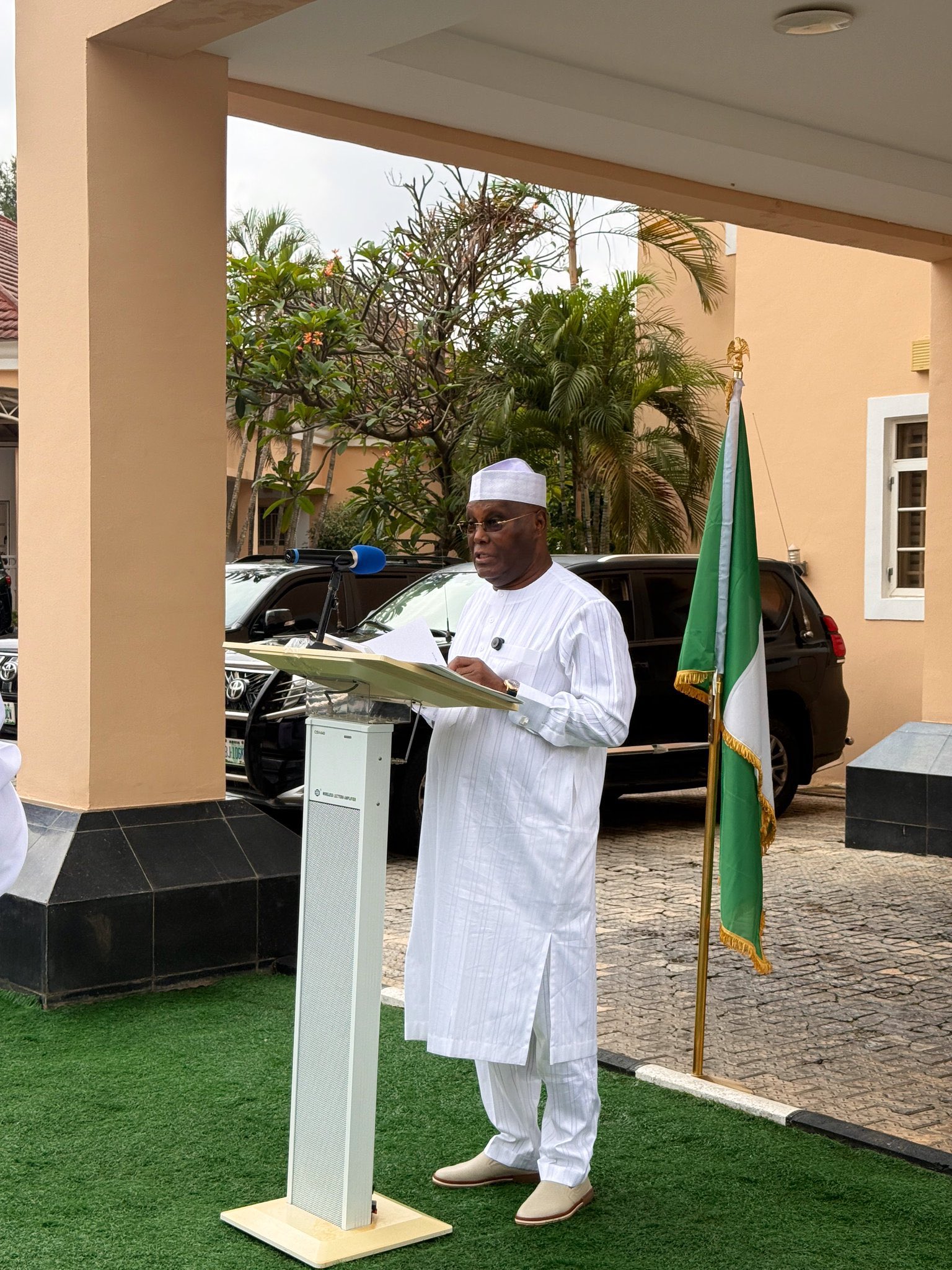
Former Vice President Atiku Abubakar has called on President Bola Ahmed Tinubu to take urgent measures to reduce the rising cost of petrol and ease the mounting cost-of-living pressures confronting Nigerians.


Atiku, in a statement titled “On Fuel Prices, Palliatives and the Cost of Living,” argued that the removal of petrol subsidy in May 2023 had continued to affect households, workers, farmers, traders and businesses, with the consequences spreading across transportation, food prices, production and household purchasing power.
His intervention comes amid another increase in petrol prices after the Dangote Petroleum Refinery raised its gantry price from ₦1,265 to ₦1,350 per litre on September 12, 2026. Pump prices subsequently moved higher in several parts of the country.
According to Atiku, the impact of expensive petrol goes far beyond the filling station.
He said higher fuel prices translate into increased transportation costs, higher expenses for farmers moving agricultural produce, increased logistics costs for traders and manufacturers, and additional commuting expenses for workers.
“In the end, the Nigerian family receives the bill,” Atiku said, arguing that energy costs ultimately have a direct bearing on the affordability of everyday life.
He recalled that when he previously advocated government intervention to moderate fuel prices, President Tinubu dismissed his position as demonstrating “serious ignorance” of governance and the economy.
Atiku questioned whether the concerns now being raised by organised labour, petroleum marketers, manufacturers and ordinary Nigerians should similarly be regarded as ignorance.
He maintained that government should listen when different sectors of the economy raise concerns about the consequences of rising energy and transportation costs.
According to him, leadership requires the willingness to examine the consequences of economic policies and make adjustments where necessary.
“Leadership requires the humility to confront the consequences of policy and the courage to change course,” he said.
The former vice president also questioned the significance of economic growth figures if ordinary Nigerians continue to experience declining purchasing power.
He argued that increased government revenue and higher allocations would mean little to households if the value of citizens’ income continues to fall against the rising prices of food, transportation, electricity and other necessities.
Atiku said economic growth should ultimately be reflected in the daily lives of citizens.
He argued that reforms should increase production, create opportunities, strengthen businesses and improve living standards rather than become an explanation for prolonged hardship.
The former vice president further expressed concern about the difficulties facing Nigerian manufacturers, saying rising energy and production costs were making it increasingly difficult for businesses to remain competitive.
He said the situation creates a paradox in which goods may be available in factories and markets, while consumers lack sufficient purchasing power to buy them.
“The goods are there. The need is there. What is missing is the purchasing power,” he said.
Atiku therefore appealed to President Tinubu to use what he described as the remaining period of his administration to provide relief to Nigerians.
He specifically urged the President to reconsider policies surrounding petrol pricing and explore measures capable of lowering the cost of fuel for consumers.
In a pointed appeal, Atiku said Tinubu should not reject a proposal simply because it was initially advanced by a political opponent.
“Bola Tinubu should not be ashamed to do what is necessary to lower the price of petrol simply because Atiku Abubakar proposed a government intervention,” he said.
He added that the President could adopt the idea, modify or rename it, and even take credit for it, provided the ultimate beneficiary was the Nigerian public.
“What matters to me is that Nigerians pay less,” Atiku said.
He concluded with an appeal for policy flexibility, stressing that the origin of an idea should not prevent government from adopting measures that could provide relief to citizens.
“A sensible idea does not become a bad idea because it came from your opponent,” he said.
About The Author
