



By: Abdullahi Inuwa
On May 29, 1999, Nigeria turned a historic page. After decades of military rule, the country embraced democratic governance with the inauguration of President Olusegun Obasanjo, marking the beginning of what has become the longest uninterrupted democratic journey in the nation’s history.


Twenty-seven years later, democracy remains Nigeria’s most enduring political experiment—one that has witnessed remarkable achievements, daunting challenges, and an ongoing quest for national development.
For many Nigerians who witnessed the military era, the return to civilian rule symbolized freedom, hope, and the promise of a better future. Citizens expected a government accountable to the people, respect for human rights, improved infrastructure, economic prosperity, and national unity.
While the journey has not been without turbulence, Nigeria has maintained democratic governance through multiple administrations and peaceful transfers of power. This continuity alone stands as a significant achievement in a country once plagued by military interventions and political instability.
One of democracy’s greatest successes has been the strengthening of democratic institutions. The National Assembly, judiciary, electoral bodies, and civil society organizations have gradually evolved into stronger pillars of governance. Although imperfections remain, these institutions have played crucial roles in sustaining constitutional order.
The media has also flourished under democratic rule. Journalists today enjoy greater freedom to report, investigate, and hold public officials accountable than during military regimes. Social media has further amplified citizens’ voices, making government actions subject to instant public scrutiny.
Perhaps one of the most defining moments in Nigeria’s democratic history occurred in 2015 when an incumbent president conceded defeat to an opposition candidate. The peaceful transfer of power from President Goodluck Jonathan to President Muhammadu Buhari was celebrated globally as a major milestone for African democracy.
Beyond politics, democracy has opened opportunities for citizens to participate in governance through elections, advocacy groups, community organizations, and public engagements. Nigerians now possess constitutional rights that allow them to challenge government decisions, demand transparency, and seek justice through lawful means.
However, the democratic journey has not fully met the expectations of many citizens.
Despite abundant natural and human resources, poverty, unemployment, inflation, and insecurity continue to affect millions of Nigerians. Across various administrations, economic challenges have remained persistent, leading many citizens to question whether democracy has delivered sufficient dividends.
Infrastructure development has recorded progress in some sectors, including roads, telecommunications, aviation, and banking. Yet gaps remain in electricity supply, healthcare, education, and transportation. Many communities still struggle with inadequate social services despite decades of democratic governance.
Corruption remains another major concern. Successive governments have launched anti-corruption campaigns, but public perception suggests that corruption continues to undermine national development. Funds meant for critical projects have often been lost through mismanagement and abuse of office, slowing progress and weakening public trust.
Security challenges have also tested Nigeria’s democracy. Insurgency in the North-East, banditry in the North-West, farmer-herder conflicts, separatist agitations, kidnapping, and other forms of criminality have claimed thousands of lives and displaced countless families. These threats continue to place enormous pressure on government institutions and security agencies.
Yet democracy has shown remarkable resilience.
Despite political disagreements, election disputes, and governance challenges, Nigeria has remained united under constitutional rule. Citizens continue to exercise their right to vote, political parties remain active, and democratic processes continue to function.
Political analysts argue that democracy should not be judged solely by the performance of elected leaders but also by the opportunities it provides for citizens to influence governance. In this regard, Nigeria’s democratic space has expanded significantly over the past 27 years.
The youth population, in particular, has become increasingly active in national conversations. Through technology, social media, entrepreneurship, and civic engagement, young Nigerians are shaping the future of governance and demanding greater accountability from leaders.
As Nigeria marks 27 years of uninterrupted democracy, the focus is gradually shifting from merely sustaining democratic rule to improving the quality of governance. Citizens are increasingly demanding effective leadership, economic growth, security, job creation, and improved living standards.
Experts believe that the next phase of Nigeria’s democratic evolution must prioritize institutional reforms, electoral integrity, economic diversification, and social inclusion. Strengthening local governance, empowering youth and women, combating corruption, and ensuring justice for all citizens are seen as critical steps toward deepening democracy.
For many Nigerians, democracy remains a work in progress rather than a finished destination. While challenges persist, few would advocate a return to military rule. Instead, the consensus remains that democratic governance, despite its imperfections, offers the best platform for national growth and development.
Twenty-seven years after the dawn of the Fourth Republic, Nigeria stands at a crossroads of reflection and renewal. The nation has preserved democratic governance against significant odds, but the true test lies ahead—transforming political freedom into economic prosperity, social justice, and improved quality of life for all citizens.
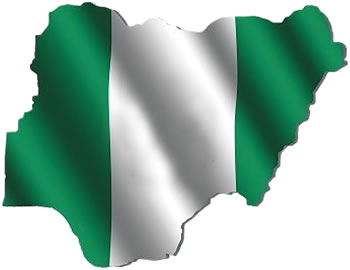
As the green-white-green flag continues to fly over Africa’s most populous nation, Nigerians remain hopeful that the next chapter of democracy will not only celebrate longevity but also deliver the lasting progress and prosperity envisioned in 1999.
Abdullahi Inuwa Social Commentator ainuwa303@gmail.com
About The Author
