



By Staff Reporter
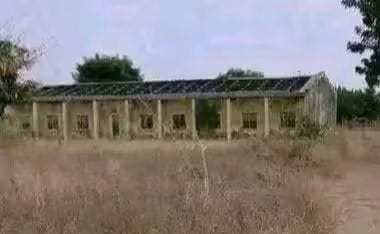
A deepening education crisis is unfolding in Jibia Local Government Area of Katsina State, where about 21,690 pupils and students have been left without access to continued primary education across 29 schools in four wards.


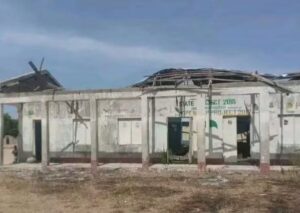
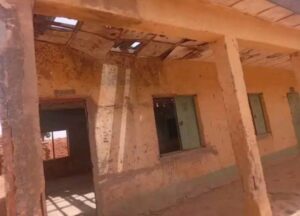
An investigation by Hikaya Newspaper found that schools in Mallamawa, Bugaje, Gangara and Farfaru wards have been affected by a combination of insecurity and deteriorating school infrastructure, with some institutions reportedly unable to hold classes since 2014.
The prolonged disruption has left thousands of children at risk of falling further behind academically, while residents fear that the continued closure of schools could have long-term consequences for the future of the affected communities.
Mallamawa Bears the Biggest Burden
Mallamawa Ward accounts for the largest number of affected learners, with 10,225 children across 10 schools reportedly unable to continue their education.
The affected institutions include Government Secondary School, Shinfida; Sule Rimi Model Primary School, Shinfida; Fafara Primary School; Kyebbo Primary School; Tagwaye Primary School; Kyebbo Nomadic Primary School; Gurbi-Baure Primary School; Tsayau Primary School; Tsamben Bakwai Primary School and Tsamben Kolinbo Primary School.
In Bugaje Ward, seven schools with a combined enrolment of 5,390 pupils are affected. They are Gawaro Primary School, Gakurdi Primary School, Kange Nomadic Primary School, Yadakore Primary School, Walawa Primary School, Murtuku Primary School and Tantagarya Primary School.
The situation is also severe in Gangara Ward, where six schools serving about 5,010 pupils have been affected. They include Gangara Primary School, Tankuri Primary School, Kanwa Primary School, Jaja Primary School, Falale Primary School and Maje Primary School.
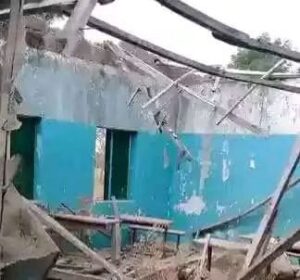
In Farfaru Ward, another six schools with 1,065 pupils are affected. They include Zandam, Dogon Dutsi, Mazanya Ta Abu, Garin Jitta, Farfaru and Garin Gonau Primary Schools.
Insecurity, Collapsing Buildings
Residents who spoke during the investigation painted a troubling picture of the education situation.
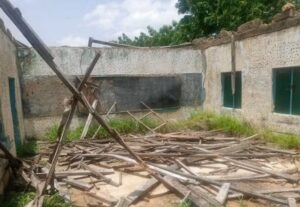
One resident said insecurity had forced some schools to stop operating, while others had become difficult to use because their buildings had deteriorated significantly.
According to the resident, some schools require urgent rehabilitation, while others with relatively better structures remain closed because of concerns over the safety of pupils and teachers.
The communities, he said, have repeatedly approached education authorities and the Jibia Local Government administration seeking assistance to reopen the affected schools.
Residents also said they acted on recommendations from education officials, including the formation of School-Based Management Committees (SBMCs), but those measures have yet to translate into the full resumption of classes.
Communities Resort to Alternative Learning
Determined not to allow their children to completely lose contact with education, some parents and community members have resorted to temporary alternatives.
A resident disclosed that some schools in Mallamawa Ward had been using Islamic learning centres as temporary classrooms to keep children engaged in learning.
However, the arrangement remains inadequate, with residents insisting that only a comprehensive government intervention can provide a sustainable solution.
They said repeated appeals had been made to officials at the local and state levels, while meetings were also held with the Chairman of Jibia Local Government over the possible reopening of some schools.
Despite these efforts, residents said they had not received a definite timeline for when normal academic activities would resume.
Security Crisis Deepens Education Worries
The education crisis cannot be separated from the security challenges that have affected communities in Jibia for years.
In February 2025, reports emerged of a peace agreement involving some communities in Jibia and criminal groups, aimed at reducing attacks and restoring stability.
However, information obtained by Hikaya Newspaper in July 2026 indicated that attacks, deaths and destruction of property were still being reported in parts of eastern Jibia.
Residents said the continued security concerns have made it difficult for schools to operate normally, further exposing children to the risk of prolonged educational disruption.
Calls for Urgent Government Action
With thousands of children effectively locked out of regular schooling, residents are now appealing for urgent intervention from the Katsina State Government, Jibia Local Government, Local Government Education Authority (LGEA) and State Universal Basic Education Board (SUBEB).
They want the authorities to rehabilitate damaged school buildings, strengthen security around vulnerable communities and provide the necessary conditions for teachers and pupils to safely return to classrooms.
For the affected communities, the issue goes beyond reopening school gates. They argue that restoring education is essential to preventing a generation of children from being left behind.
As one resident put it, continued denial of access to education could deepen the social and economic challenges facing the communities, while a functioning school system would give children a better chance of building a secure future.
Authorities Yet to Respond
Hikaya Newspaper contacted relevant authorities to obtain their responses to the concerns raised by residents.
However, at the time of filing this report, no direct response had been received from the Jibia Local Government administration, Katsina State Government, LGEA or SUBEB regarding the closure of the affected schools or when learning activities would resume.
For now, the classrooms remain at the centre of a growing education crisis, while thousands of children wait for the return of the most basic opportunity to learn.
Source:@By Hikaya Newspaper (hikaya.ng)
About The Author
