



By: Dr James Bwala
Going through the pages of newspapers, the drama that is taking over Nigeria’s approaches to the 2027 presidential elections is disconcerting. The pattern that dominates the political landscape speaks less of the personalities falling over themselves as the days unfolded. Politicians are fixated more on personal attacks and partisan squabbles than on substantive discussions about national challenges and solutions. This trend is not only counterproductive but also detrimental to Nigeria’s democratic progress and socio-economic development. For a country grappling with profound insecurity, widespread poverty, and pervasive corruption, the electorate deserves leaders who prioritise meaningful dialogue about policies and governance rather than engage in divisive rhetoric and political mudslinging.


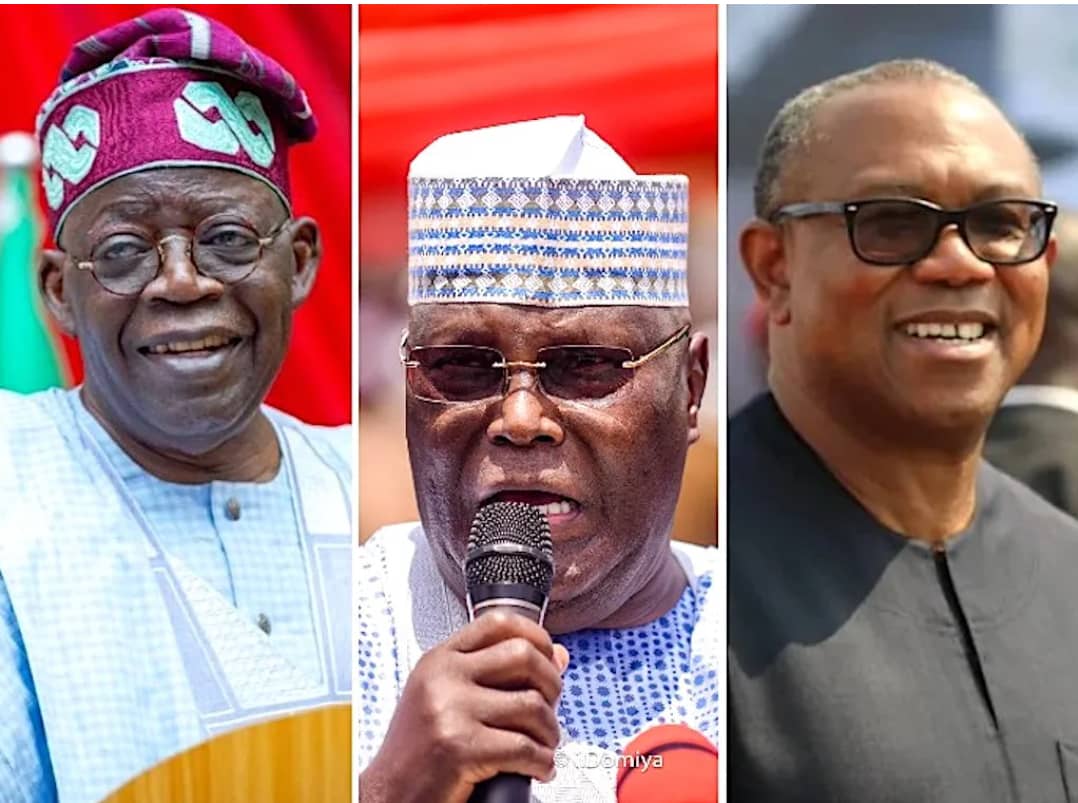
The current state of political discourse reveals a troubling shift away from issue-based debates towards an obsession with personalities and irrelevant vendettas. A glaring example is the recent exchange between supporters of President Bola Tinubu and former Vice President Atiku Abubakar. When an Atiku supporter lambasted President Tinubu by questioning the public’s knowledge of his father, it exposed not only the pettiness of political arguments but also their irrelevance to the electorate’s pressing concerns. Ironically, the same critic forgets that Atiku himself has little public discourse about his own paternal background, underscoring how such personal attacks add no value to the presidential contest. More importantly, the lineage or parentage of these candidates bears absolutely no relevance to their ability to govern Nigeria effectively or address the nation’s myriad problems. Yet, this shallow focus distracts from urgent national issues that demand serious attention.
Similarly, Tinubu’s supporters have largely resorted to celebratory chants like “On your mandate we shall stand” instead of articulating and showcasing the tangible achievements or policy successes under the Tinubu-Shettima administration. Such displays may cultivate loyalty among core supporters but do little to persuade undecided voters or sceptics who seek evidence of competent governance. What Nigerians require are detailed outlines of policy frameworks and measurable progress reports on security, economic reforms, healthcare, education, and anti-corruption efforts—outcomes that directly impact daily lives. The absence of these critical conversations speaks volumes about the superficiality permeating political campaigns.
The disturbing episode involving Bishop Onayinkon and the Sultan of Sokoto further exemplifies the politics of distraction. While these revered figures occasionally become embroiled in political controversies, the essential “table” where politicians should lay down concrete plans remains conspicuously empty. Whether in the ruling party or the opposition, there is scant evidence of genuine engagement with the core issues undermining Nigeria’s stability and prosperity. Instead, time and resources are expended on symbolic gestures or media-driven theatrics rather than strategic policymaking and governance innovation.
As the opposition coalition attempts to regroup, with Atiku and Peter Obi supporters exploring alliances like the new G-100 coalition, numerous questions arise. For the new G-100 coalition, numerous questions loom large. Can these groups, historically divided by ideology and political ambition, genuinely reconcile and formulate a cohesive governance blueprint? Or will their efforts devolve into another round of factionalism and power struggles that fail to address Nigeria’s fundamental needs? The success or failure of such coalitions will significantly influence Nigeria’s political trajectory, underscoring the imperative for unity premised on substantive policy alignment rather than mere electoral arithmetic.
Giving this background, the broader socio-political context cannot be ignored. Nigeria’s challenges are deeply entrenched and multifaceted. Insecurity remains pervasive, with insurgency, banditry, kidnappings, and communal conflicts destabilising communities and eroding citizens’ confidence in government protection. Simultaneously, poverty continues to ravage millions, with economic inequality starkly visible in urban slums and rural hinterlands alike. Corruption, the perennial cancer afflicting governance structures, persists despite institutional anti-corruption agencies’ existence, largely due to weak enforcement, political interference, and lack of transparency.
Regrettably, government bodies tasked with combating these challenges have yet to deliver tangible results that speak at the grassroots level. Public trust in institutions is waning, and this vacuum often fuels apathy or cynicism during elections. Adding to the complexity, grassroots conversations across Nigerian towns and villages reveal a palpable anxiety about the future. Voters whisper tentative plans, alliances, and expectations ahead of 2027, signifying both hope and uncertainty. These silent discourses often escape mainstream political narratives but are crucial indicators of public sentiment and priorities.
From all indications, a critical juncture lies ahead. The political actors have a clear choice: continue with self-serving battles and distractions that risk further destabilising Nigeria’s fragile democracy, or rise above partisan bickering to offer authentic leadership grounded in ideas, solutions, and national interest. Nigerians deserve a “full table” of ideas—a comprehensive agenda addressing insecurity, poverty alleviation, systemic corruption, economic diversification, infrastructure development, education reform, and social cohesion. Without this, the elections risk becoming a mere spectacle of personalities rather than a genuine exercise in democratic renewal.
The fact remains that the 2027 Nigerian presidential elections must transcend the current culture of personal attacks and symbolic posturing. For Nigeria to progress, politicians must shift focus from criticising each other’s lineage or engaging in hollow celebrations to presenting substantive plans that respond to the nation’s critical challenges. The electorate deserves leaders who speak boldly about what they can contribute to Nigeria’s development and who demonstrate commitment to transparent governance and inclusive growth. Only through such a transformation in political discourse can Nigeria hope to build a more secure, prosperous, and united future. The days ahead will reveal whether Nigerian politicians choose to build bridges or deepen divisions—but the stakes could not be higher for the country and its people.
James Bwala, PhD, writes from Abuja.
End
About The Author
