



By; Abdullahi Inuwa
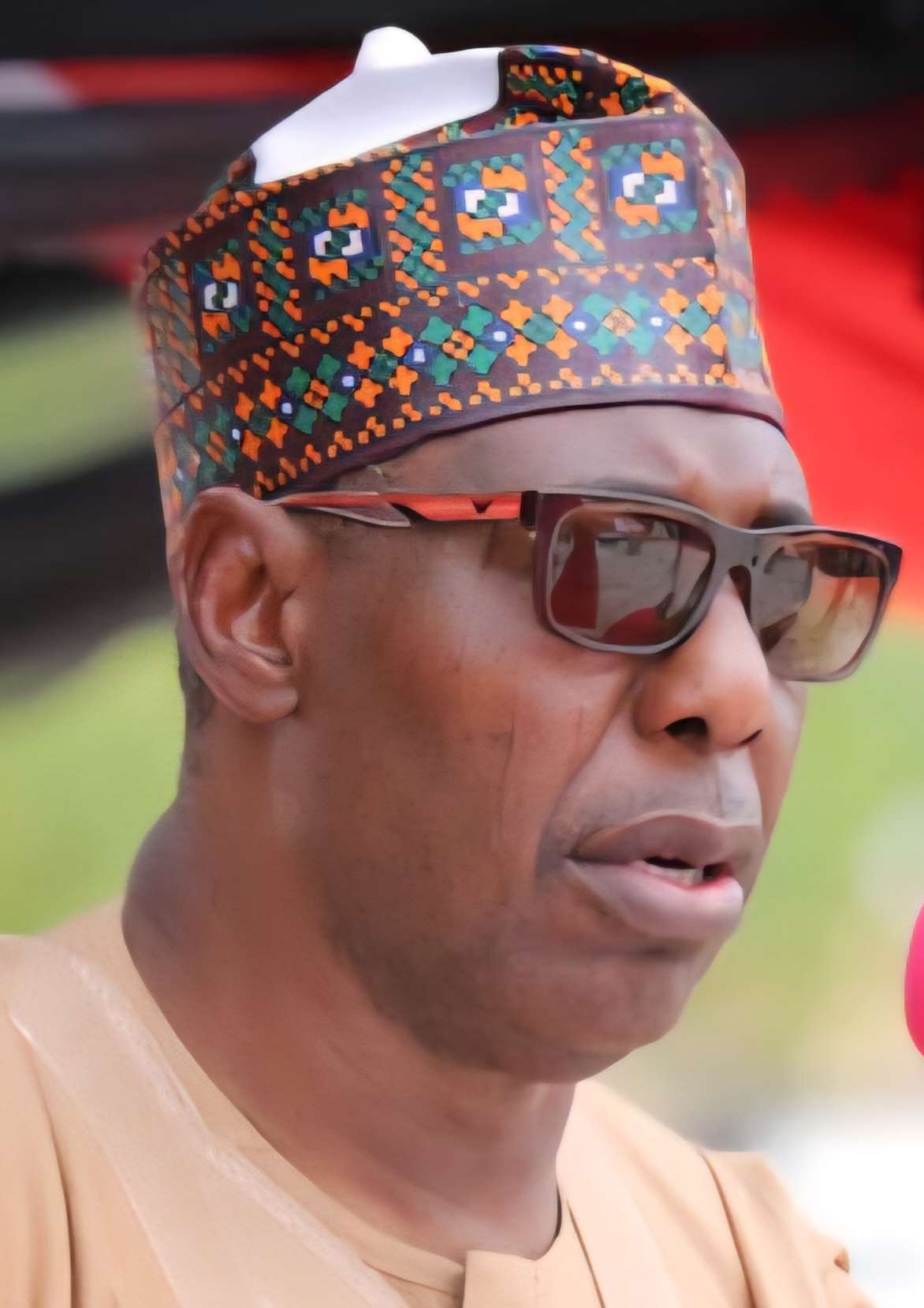
In the unfolding chessboard of Nigeria’s 2027 politics, one name continues to command unusual consensus across party lines and public opinion in the North-East—Babagana Umara Zulum. As conversations quietly shift from governorship legacies to national representation, a growing number of political analysts argue that Zulum has earned a place in the Senate—not as a reward, but as a strategic necessity.


Zulum’s political journey has been anything but ordinary. Rising from academia into governance at one of the most turbulent periods in Borno State’s history, he inherited a region battered by insurgency, displacement, and institutional fragility. Yet, within a few years, his administration became synonymous with hands-on leadership, rapid response governance, and a rare level of personal engagement in crisis zones.
Analysts say this track record forms the foundation of the argument for his elevation to the National Assembly. “The Senate needs individuals who understand the intersection of security, humanitarian response, and development,” a political observer noted. “Zulum brings that experience in a way few Nigerian leaders do.”
Beyond security, Zulum’s governance style has emphasized rebuilding—schools, hospitals, roads, and communities destroyed by years of conflict. His approach has blended technocratic efficiency with grassroots accessibility, a combination that has resonated strongly with citizens and development partners alike.
Supporters argue that such experience should not be confined to state-level leadership. In the Senate, they say, Zulum could play a critical role in shaping national policies on counterinsurgency, post-conflict recovery, and regional development—areas where Nigeria continues to face significant challenges.
There is also a political dimension to the push. Within the All Progressives Congress (APC), Zulum is widely seen as a stabilizing figure—one capable of bridging divides and commanding respect across factions. At a time when internal cohesion is increasingly tested ahead of 2027, his presence in the Senate could strengthen the party’s strategic depth.
Critics, however, caution against what they describe as “premature elevation,” arguing that governance at the state level still requires continuity and that Zulum’s departure could create a vacuum. But even among skeptics, there is acknowledgment of his competence and national relevance.
What sets Zulum apart, analysts insist, is not just performance, but credibility. In an era where public trust in political institutions is often strained, his image as a disciplined, result-driven leader offers a refreshing contrast. That credibility, they argue, is exactly what the Senate needs to reconnect with citizens.
Moreover, the North-East region, long defined by its security challenges, is increasingly seeking stronger representation at the federal level—not just in numbers, but in influence. Zulum’s entry into the Senate could amplify the region’s voice in critical national debates, from security funding to infrastructure and economic recovery.
There is also the question of legacy. For many leaders, the transition from executive to legislative roles is an opportunity to consolidate achievements and influence policy at a broader scale. For Zulum, analysts say, the Senate could serve as a platform to institutionalize many of the reforms and ideas he has championed in Borno.
Still, the path is not without political hurdles. Party dynamics, zoning considerations, and existing political interests will all shape the final outcome. Yet, the growing narrative around Zulum’s Senate bid suggests that his candidacy, if it materializes, would carry significant weight.
As 2027 approaches, the debate is likely to intensify. But one thing appears clear: in the eyes of many observers, Babagana Umara Zulum is no longer just a state leader—he is increasingly seen as a national asset whose experience may be too valuable to remain on the sidelines of federal policymaking.
Abdullahi Inuwa Social Commentator ainuwa303@gmail.com
About The Author
