



By: Abdullahi Inuwa
In a nation where access to quality healthcare remains a major challenge, especially in rural communities, leadership is often measured not by speeches but by bold actions that directly impact the lives of ordinary citizens.


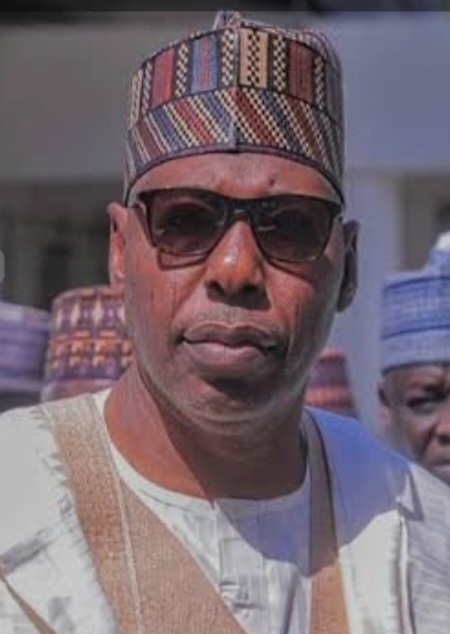
Borno State Governor, Professor Babagana Umara Zulum, has once again demonstrated why many Nigerians regard him as one of the most proactive and people-centered leaders in the country.
His recent approval for the recruitment of 473 medical personnel, coupled with the implementation of a 100 percent rural allowance for doctors serving in remote areas, is not just another government policy.
This strategic intervention was aimed at transforming healthcare delivery and restoring hope to thousands of families across Borno State.
For years, rural healthcare facilities in many parts of Nigeria have suffered from acute shortages of medical professionals. Doctors, nurses, pharmacists, laboratory scientists, and other healthcare workers often prefer urban centers where infrastructure, security, and welfare packages are more attractive.
Consequently, rural communities are left with poorly staffed hospitals, inadequate medical services, and preventable deaths, thereby Zulum’s decision had directly confronts this longstanding problem.
The immeasurable impacts led to the recruitment of 473 healthcare personnel represents one of the most significant investments in human resources for health in recent years.
More importantly, the policy is carefully designed to ensure that rural communities often neglected in development planning receives the attention they deserve.
The governor understands a simple but powerful truth: healthcare is only effective when qualified professionals are available where the people live.
What makes this initiative particularly remarkable is the introduction of a 100 percent rural allowance for doctors. This incentive acknowledges the sacrifices medical professionals make when they choose to serve in remote communities.
Rural postings often come with challenges ranging from poor road networks and limited social amenities to difficult working conditions.
By offering enhanced incentives, the Borno State Government is creating a compelling reason for doctors to remain in underserved areas. This is a practical solution to a problem that has frustrated policymakers across the country for decades.
As a professor and development expert, Zulum has consistently demonstrated a deep understanding of the relationship between human capital development and societal progress. Since assuming office, he has invested heavily in education, agriculture, infrastructure, security support, and healthcare.
His governance philosophy appears straightforward: development must reach the people at the grassroots.
The recruitment exercise reflects this philosophy. It is not merely about increasing the number of workers on government payroll.
It is about strengthening healthcare systems, improving maternal and child health outcomes, reducing mortality rates, and ensuring that every citizen, regardless of location, has access to professional medical care.
The significance of this intervention becomes even clearer when viewed against the backdrop of Borno State’s unique challenges. Years of insurgency disrupted social services, displaced millions, and placed enormous pressure on healthcare facilities.
It was obvious that many communities have lost critical infrastructure, while healthcare personnel were forced to relocate due to insecurity, therefore
rebuilding such a system requires vision, courage, and sustained commitment.
Zulum administration has reconstructed hospitals, equipped primary healthcare centers, supported healthcare workers, and expanded access to essential medical services.
The latest recruitment and welfare package represent another milestone in the ongoing effort to rebuild and strengthen the state’s healthcare architecture.
Critics may argue that recruitment alone cannot solve every healthcare challenge. They are correct. However, no healthcare system can function effectively without skilled personnel. Buildings, equipment, and medical supplies are important, but it is trained professionals who deliver life-saving services.
Through investing in people, Zulum is addressing the foundation of healthcare delivery.
The ripple effects of this policy are likely to extend beyond the health sector. Improved healthcare services contribute to economic productivity, educational outcomes, and overall social stability. Healthy populations are better positioned to participate in economic activities, support their families, and contribute meaningfully to society.
Furthermore, the initiative sends a powerful message to young medical professionals. It demonstrates that government values their contributions and is willing to create an enabling environment for them to serve.
In an era where many healthcare workers seek opportunities abroad due to welfare concerns, policies that prioritize incentives and professional support are essential.
Beyond statistics and policy documents, the real beneficiaries of this intervention are the ordinary people living in Borno’s villages and remote settlements. They are the pregnant women who will have better access to skilled healthcare providers. They are the children who will receive timely treatment. They are the elderly citizens who no longer have to travel long distances in search of medical attention.
For these citizens, the recruitment of 473 medical personnel and the implementation of a 100 percent rural allowance are more than administrative decisions they are lifelines.
Professor Babagana Umara Zulum has once again shown that effective leadership is about identifying challenges and responding with practical solutions. His latest healthcare initiative reflects compassion, foresight, and a genuine commitment to improving the quality of life for the people of Borno State.
As the policy takes effect, many observers will be watching closely. Yet one thing is already clear: in a nation searching for models of impactful governance, Zulum’s rural health revolution stands as a compelling example of leadership that puts people first.
For the professor-governor, development is not merely a slogan. It is a mission—one that continues to bring hope, healing, and progress to the people he serves.
About The Author
