



By: Abdullahi Inuwa
SOKOTO — UNICEF and key stakeholders from Sokoto, Kebbi and Zamfara States have commenced the process of developing a new Country Programme Document (CPD) for 2028–2032, with a renewed focus on tackling the challenges affecting women and children across the three North-West states.


The two-day strategic review meeting, held in Sokoto, assessed progress recorded under the current 2026 programme while identifying priority areas that will guide future interventions in health, education, nutrition, child protection and other critical sectors.
Speaking at the meeting, UNICEF Chief Field Officer, Michael Juma, said the exercise was designed to evaluate achievements and challenges over the past three-and-a-half years and develop practical, evidence-driven solutions capable of delivering lasting impact for children and vulnerable families.
Juma urged government ministries and agencies to identify four or five priority areas that would drive meaningful change, stressing that state development plans should be aligned with UNICEF’s new programme to improve sustainability, quality and effective service delivery.
He also advocated stronger coordination between humanitarian and long-term development interventions to address emergencies and reduce the persistent deprivation facing children in the region.
According to him, Permanent Secretaries have a critical responsibility to champion evidence-based and child-focused priorities within their ministries, noting that such an approach would strengthen resource mobilisation and ensure the inclusion of state priorities in UNICEF’s next country programme.
The UNICEF official commended the governments of Sokoto, Kebbi and Zamfara for creating an atmosphere that encouraged open dialogue, saying the consultations had produced balanced assessments of both progress made and challenges still confronting the three states.
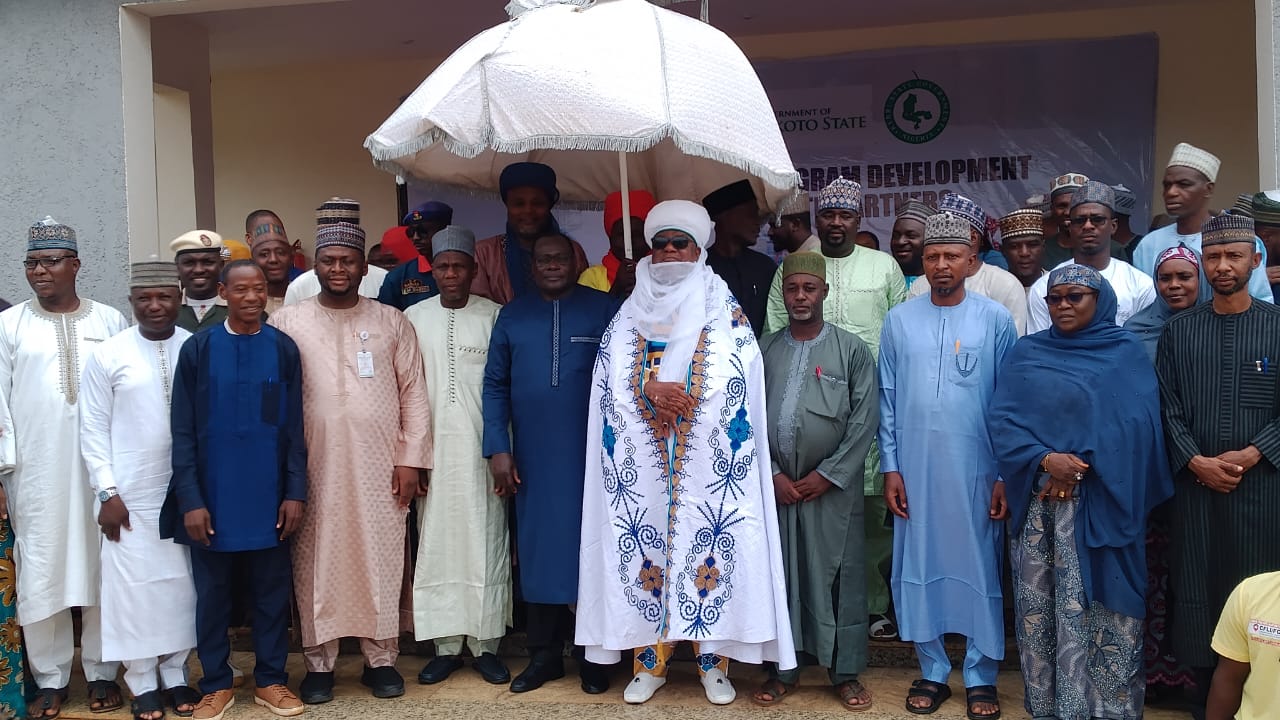
Chairman of the occasion and Emir of Anka, Alhaji Attahiru Muhammad, praised UNICEF for more than three decades of intervention in Zamfara State and called for deeper collaboration with traditional rulers, particularly in addressing the growing challenges of displacement and out-of-school children.
He described UNICEF’s contributions across multiple sectors as significant and urged the organisation to continue strengthening partnerships with traditional institutions to reach vulnerable communities.
Also speaking, Sokoto State Permanent Secretary, Buhari Umar, called for data-driven and community-based interventions tailored to the realities of each state.
He urged participants to critically analyse development indicators and design practical solutions capable of improving outcomes for the state’s estimated 6.7 million residents.
Umar reminded stakeholders that they carried a collective responsibility for the survival, protection, development and participation of women and children, emphasizing the need to focus on areas where collaboration would produce the greatest impact.
Kebbi State Permanent Secretary, Barrister Kudirat Shuaibu, described the meeting as a valuable opportunity to review existing programmes, identify gaps and agree on strategies that would deliver better development outcomes.
She noted that achieving the objectives of the next UNICEF programme would require stronger collaboration among governments, development partners and other stakeholders, while appreciating UNICEF’s continued support for Kebbi State’s development initiatives.
At the end of the deliberations, participants agreed to prioritise evidence-based planning, stronger inter-agency coordination and better alignment of state development strategies as the foundation for UNICEF’s 2028–2032 Country Programme for Sokoto, Kebbi and Zamfara States.
About The Author
