



By: Abdullahi Inuwa
A fresh political promise on fuel subsidy has entered Nigeria’s 2027 debate, with an opposition presidential hopeful declaring that he would reverse the current policy and introduce a targeted subsidy regime if elected.


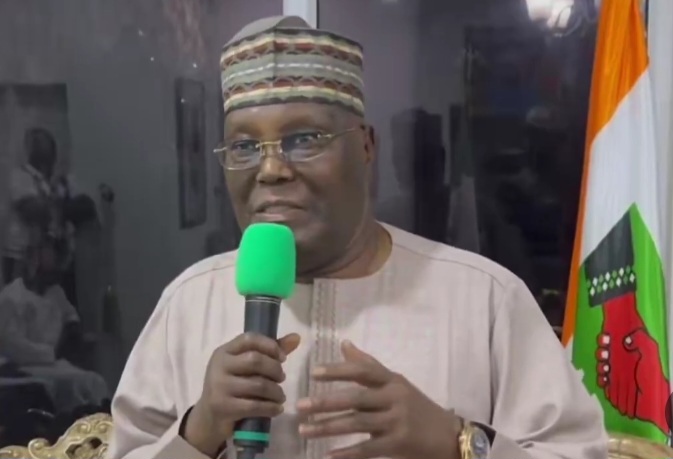
Speaking after receiving the Osun State leadership of the African Democratic Congress (ADC) in Abuja on Tuesday, the politician said his position on subsidy had remained unchanged, insisting that Nigerians should not be left to bear the full weight of rising living costs.
He argued that Nigeria, with its vast natural and economic resources, has enough capacity to provide relief for its citizens rather than expose households and businesses to worsening hardship.
According to him, the true measure of a country’s economic strength should not simply be how much revenue government collects, but how much purchasing power ordinary citizens retain.
He said his administration would focus on restoring the value of wages, lowering production and transportation costs, and making it easier for families to afford basic necessities.
The presidential hopeful linked the rising cost of fuel to a wider chain of economic hardship, arguing that higher energy prices translate into increased transport fares, which subsequently drive up food prices and squeeze household incomes.
He promised to tackle what he described as a damaging cycle by supporting local production, reducing energy costs and putting more purchasing power back into the hands of Nigerians.
“I will restore targeted subsidy,” he declared, while stressing that his proposal would not be a return to the alleged abuses associated with the old subsidy regime.
Rather, he said the objective would be to provide direct economic relief while ensuring that Nigerian producers, farmers, workers and businesses benefit from policies designed to stimulate domestic production.
He also pledged to make it easier for farmers to move their goods to markets without transportation costs consuming their profits, while creating an environment where businesses can produce more, employ more Nigerians and expand.
The opposition figure said the policy would form part of a broader agenda focused on both economic and physical security.
He further promised to make everyday living more affordable, strengthen the purchasing power of the naira and improve the welfare of Nigerians.
His remarks come as the high cost of living, fuel prices, transportation expenses and food inflation continue to dominate public discussions and political campaigns ahead of the 2027 general elections.
He maintained that his ultimate objective was to build a Nigeria where citizens could earn meaningful incomes, afford basic necessities and enjoy greater economic security.
“Economic security. Physical security. A better life for every Nigerian,” he said, outlining the vision he intends to pursue.
The declaration is expected to further intensify the political debate over fuel subsidy, with Nigerians likely to scrutinise competing proposals on how to balance government revenue, energy costs, economic growth and relief for households.
About The Author
