


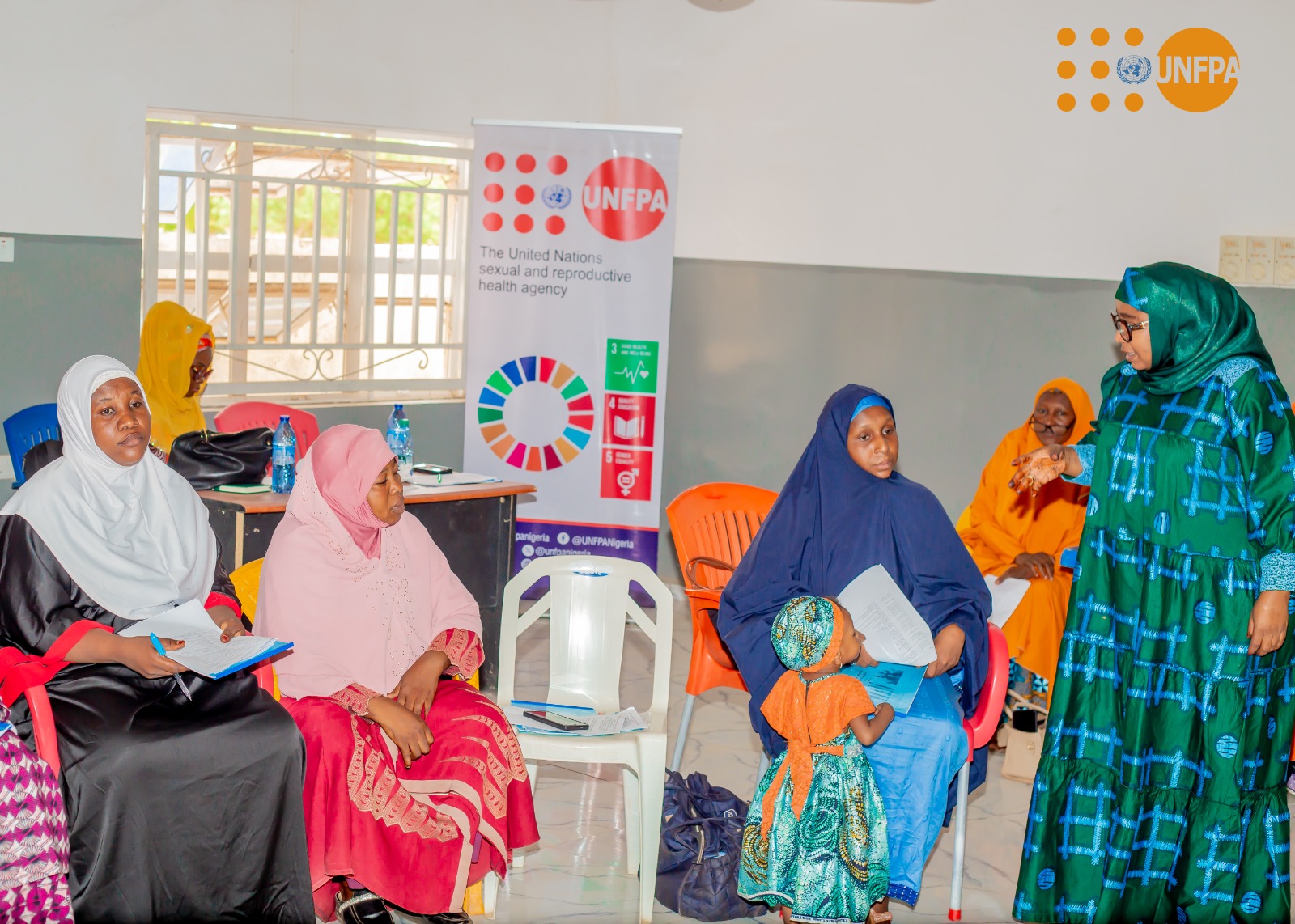
, has trained 32 healthcare workers on people)
The United Nations Population Fund (UNFPA), in collaboration with the Sokoto State Primary Health Care Development Agency (SSPHCDA), has trained 32 healthcare workers on people with special needs care.
The training was on provision of respectful, disability-friendly Sexual and Reproductive Health (SRH) and Gender-Based Violence (GBV) services for Persons with Disabilities (PWDs) in Sokoto State.


The two-day capacity-building workshop, held at the Special Infectious Disease Control Hospital, Amanawa, focused on strengthening the knowledge, skills, and attitudes of healthcare workers towards providing inclusive healthcare services.
The training, themed “Understanding Disability, Disability Rights and Respectful Communication,” featured presentations on five key modules designed to improve healthcare delivery for persons with disabilities.
Speaking at the opening ceremony, the Chief Medical Director of the hospital, Dr. Aliyu Garba, commended UNFPA and SSPHCDA for selecting the facility to host the training.
Represented by the Acting Chief Information Management Officer (CIMO), Dr. Hassan Sahabi, the CMD described the initiative as timely and impactful.
“We appreciate UNFPA and SSPHCDA for choosing our hospital among many health facilities in the state for this important training.
” It demonstrates confidence in our institution and commitment to improving healthcare services for vulnerable groups,” he said.
He assured the organisers that the knowledge gained would be applied in the hospital’s day-to-day operations.
“We will ensure that the lessons from this training are translated into practice by our staff. We also look forward to more capacity-building programmes that will enhance the quality of healthcare delivery across the state,” he added.
In her remarks, the UNFPA Sokoto Field Office Team Lead, Dr. Rabi Sagir, praised the dedication and commitment of healthcare workers at the facility, stressing that every member of staff plays a critical role in ensuring quality service delivery.
“Every staff member in this hospital, regardless of profession or designation, has an important role to play in delivering quality healthcare services,” she said.
According to her, bringing the training directly to the hospital was intended to create a more interactive learning environment and ensure maximum participation.
“We decided to bring this training to your workplace so that we can engage closely with you and have your full attention.
” We will share ideas and practical approaches on how to eliminate discrimination against persons with disabilities and ensure they are treated with dignity and respect,” she stated.
Also speaking, the Gender-Based Violence (GBV) Desk Officer of SSPHCDA, Hajiya Hadiza Damina, said the workshop was designed to equip healthcare workers with the knowledge and skills required to improve service delivery, particularly for persons with disabilities.
“This training will strengthen workers capacity to provide inclusive and respectful healthcare services. We encourage participants to pay close attention and actively engage in the sessions for the benefit of the patients they serve,” she said.
She noted that said the training aimed at improving healthcare workers’ communication skills when interacting with clients living with different forms of disabilities, enhance their knowledge of disability-inclusive SRH and GBV services, and foster positive attitudes towards persons with disabilities.
She said other objectives included helping healthcare providers identify and implement reasonable accommodations that improve access to healthcare services and encourage greater utilisation of health facilities by persons with disabilities.
A cross section of participants expressed optimism that the training would contribute to create more inclusive healthcare system where persons with disabilities can access services without discrimination, stigma or barriers.
The workshop featured sessions on understanding disability and disability inclusion, disability rights and legal frameworks, respectful communication and disability etiquette, sexual and reproductive health and gender-based violence in the context of disability, as well as practical facility adjustments for disability inclusion.
About The Author
