



By Abdullahi Inuwa
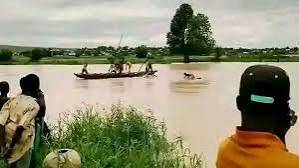
Sokoto State was thrown deeper into mourning on Friday as the death toll from the devastating boat accident at Gorau Village in Goronyo Local Government Area climbed to 65, with only 11 survivors so far accounted for.


The tragedy, which occurred on Thursday at the Gorau crossing point, has become one of the deadliest recent boat disasters in the area, leaving families searching for loved ones, communities counting their losses and authorities facing renewed pressure to address persistent safety challenges on Nigeria’s inland waterways.
What began as a routine journey across the waterway quickly turned into a nightmare when the boat capsized, sending scores of passengers into the water.
Rescue operations began immediately, but difficult conditions and darkness forced rescuers to suspend the search on Thursday evening. By then, at least 53 bodies had reportedly been recovered.
The operation resumed on Friday, with rescuers returning to the waterways around the Gorau crossing in search of additional victims. Their efforts led to the recovery of more bodies, pushing the confirmed death toll to 65.
The National Inland Waterways Authority, NIWA, confirmed that 11 people survived the accident. Among the survivors was the Village Head of Gorau, Alhaji Na Batsami Gorau.
For many families, however, the recovery operation brought devastating news rather than the hoped-for reunions.
Several of the recovered victims were buried according to Islamic rites as grieving relatives, traditional leaders and residents struggled to absorb the magnitude of the disaster.
The tragedy has once again drawn attention to the dangers confronting communities that depend heavily on waterways for their daily activities.
In many riverine communities across northern Nigeria, boats and canoes remain critical means of transportation, connecting settlements separated by rivers and waterways. Farmers use them to move produce, traders depend on them to access markets, while residents rely on them for everyday movement.
Yet, concerns about inadequate safety equipment, overcrowding, poor regulation and the condition of waterways have persisted for years.
The Gorau incident has therefore raised fresh questions about whether enough is being done to protect passengers who have little alternative but to rely on water transportation.
Rescue teams continued searching the area as hopes of finding more survivors dwindled with the passage of time.
The Head of Operations, National Emergency Management Agency, NEMA, Sokoto Operations Office, Alhaji Tukur Abubakar, declined to comment on the latest casualty figure and directed enquiries to the Sokoto State Emergency Management Agency, SEMA.
Attempts to obtain further clarification from the Special Adviser to the Sokoto State Governor on SEMA, Alhaji Aminu Liman Bodinga, were unsuccessful, as his telephone was switched off when contacted.
NIWA Board Chairman Mourns Victims
Reacting to the tragedy, the Chairman of the Governing Board of NIWA, Alhaji Mukhtar Shehu Shagari, described the incident as painful and devastating.
Shagari expressed condolences to the Sokoto State Government, Goronyo Local Government Council, traditional institutions and the families of those who lost their lives.
He also urged boat operators and passengers to strictly observe established waterway safety regulations.
According to him, the scale of the Gorau tragedy should serve as a warning that safety rules must not be treated casually.
He stressed that boat operators have a responsibility to ensure that passengers are transported under safe conditions, while passengers must also insist on compliance with basic safety measures.
His appeal has renewed calls for stricter enforcement of safety standards across Nigeria’s inland waterways.
Tambuwal Demands Investigation
Former Sokoto State Governor and Senator representing Sokoto South, Aminu Waziri Tambuwal, also expressed sadness over the loss of lives.
Tambuwal called for an immediate investigation into the accident, saying authorities must establish exactly what happened and identify both the immediate and underlying causes.
He argued that the repeated loss of lives on the country’s waterways should no longer be accepted as an unavoidable consequence of river transportation.
For him, every major waterway disaster must result in lessons, corrective measures and stronger regulations capable of preventing another tragedy.
The demand for an investigation is expected to put pressure on relevant authorities to examine the circumstances surrounding the Gorau crossing, including the condition of the boat, passenger capacity, safety equipment and other factors that may have contributed to the accident.
Goronyo Lawmaker Raises Dam Alarm
Beyond the immediate tragedy, however, the boat accident has opened a wider conversation about the condition of the Goronyo water system.
The member representing Goronyo/Gada Federal Constituency in the House of Representatives, Hon. Bashir Usman Gorau, has called for urgent Federal Government intervention, particularly the comprehensive desilting of Goronyo Dam and its tributaries.
Gorau warned that years of accumulated silt and sediment had reduced the capacity of the dam and its waterways, creating serious risks for communities around the facility.
The lawmaker said the dam was constructed more than five decades ago and had accumulated significant sediment over the years.
According to him, allowing the situation to persist could increase the vulnerability of surrounding communities to flooding and other water-related disasters.
He described the accumulated sediments as a “clear and present danger”, insisting that government should act before another disaster occurs.
Gorau argued that emergency intervention should not begin only after lives have been lost.
He called on the Federal Government, relevant ministries, water-resource authorities, dam managers and disaster-management agencies to treat the desilting of the Goronyo Dam and its tributaries as an urgent intervention.
The lawmaker stressed that merely clearing the dam’s reservoir would not be enough.
He said the exercise should cover critical tributaries and waterways feeding the dam to ensure that the entire water system receives the attention required to restore its effectiveness.
‘Act Before Another Life Is Lost’
Gorau warned against waiting for another disaster before taking action.
He said the Goronyo Dam had served communities and the country for more than 50 years and now required comprehensive rehabilitation to restore its capacity and improve the safety of people living around it.
He also called for stronger enforcement of waterway regulations, adequate provision of life jackets, proper monitoring of boat operators and improved emergency response capabilities.
For communities around Goronyo, the demands are more than political statements. Residents want measures that will prevent the latest tragedy from becoming another entry in Nigeria’s long list of waterway disasters.
A National Safety Wake-Up Call
The Gorau tragedy has also reignited a broader debate about the safety of Nigeria’s inland waterways.
Across the country, waterways remain essential to transportation, especially in communities where roads are inadequate, distant or frequently affected by flooding.
But the same waterways can become deadly when safety precautions are ignored or infrastructure is allowed to deteriorate.
The latest incident has highlighted several areas that authorities may need to urgently examine, including the enforcement of passenger limits, availability and use of life jackets, licensing of boat operators, routine inspection of vessels, identification of dangerous crossing points and the capacity of emergency agencies to respond quickly when accidents occur.
Experts and stakeholders have repeatedly argued that prevention must take priority over post-disaster response.
The recovery of bodies and the deployment of rescue teams are necessary after an accident, but the ultimate goal should be to ensure that such rescue missions become less frequent because preventive safety measures are working.
For the people of Goronyo, however, the immediate reality remains one of grief.
Sixty-five lives have been lost, families have been shattered and an entire community is confronting the painful consequences of a disaster that has raised questions far beyond the Gorau crossing point.
As mourning continues, attention is now firmly focused on what happens next.
Will authorities conduct a transparent investigation? Will waterway safety regulations be enforced more rigorously? Will Goronyo Dam and its tributaries receive the rehabilitation and desilting being demanded? And will adequate measures be put in place to prevent another boat from becoming a vessel of death?
Those are the questions now hanging over Sokoto.
For grieving families, answers cannot bring their loved ones back. But decisive action could ensure that the 65 lives lost at Gorau are not remembered merely as another tragic statistic.
The message from the affected communities is increasingly clear: condolences are not enough; prevention must begin now.
Abdullahi Inuwa Social Commentator ainuwa303@gmail.com
About The Author
