



By Abdullahi Inuwa
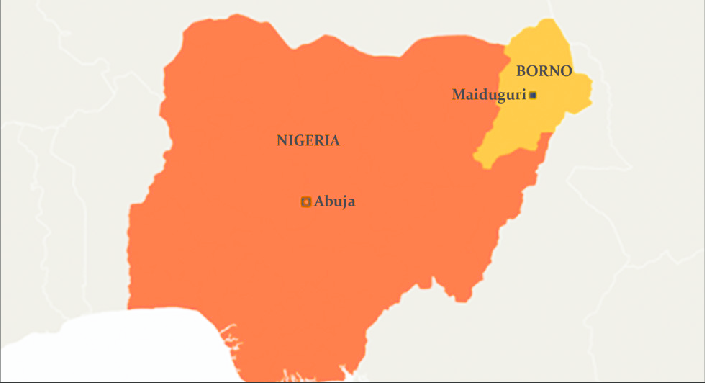
The debate over Nigeria’s fuel subsidy policy has taken a fresh turn, with voices from Maiduguri adding weight to growing calls for government to reconsider the impact of petrol prices on ordinary Nigerians.


The development has given renewed attention to former Vice President Atiku Abubakar’s argument that the country can provide relief to consumers without returning wholesale to the weaknesses and corruption that plagued the old subsidy system.
Supporters of the proposal argue that the issue is bigger than party politics. According to them, the rising cost of petrol has created a chain reaction that affects virtually every part of the economy.
From transport fares to the cost of moving farm produce, operating businesses and buying food, higher fuel prices have continued to put pressure on household budgets.
The argument is straightforward: when petrol becomes more expensive, the effect does not end at the filling station.
Transport operators adjust their fares. Farmers spend more on moving inputs and produce. Manufacturers face higher operating costs, while traders pass increased expenses on to consumers.
Ultimately, families bear the weight through higher prices and reduced purchasing power.
It is against this backdrop that Atiku’s position has attracted renewed attention. Rather than advocating a return to an unreformed subsidy regime, his supporters say the focus should be on designing a targeted intervention that protects vulnerable Nigerians while closing the loopholes that previously drained public resources.
Such an approach, they argue, could involve tighter monitoring, stronger domestic refining capacity and measures designed to ensure that any government support reaches its intended beneficiaries.
The growing public debate also places pressure on the Federal Government to explain how its current fuel-pricing policy will deliver sustainable relief to citizens.
The administration of President Bola Tinubu removed the petrol subsidy shortly after taking office, a decision the government has defended as necessary to reduce the financial burden on the state and redirect resources to other areas.
Critics, however, contend that the immediate burden of the policy has fallen heavily on households already struggling with rising living costs.
With voices now emerging from Maiduguri and other parts of the country, the subsidy question is increasingly becoming a broader conversation about affordability, purchasing power and economic survival.
For Nigerians, the central question may be less about which political camp wins the argument and more about which policy can deliver tangible relief.
The APC has an opportunity to defend the government’s economic direction, while Atiku and his supporters must clearly demonstrate how their alternative would work without reopening the problems associated with the former subsidy system.
In the end, Nigerians will be watching the results—not merely the rhetoric.
As the debate gathers momentum, one message appears increasingly clear: citizens want an economy that gives them room to breathe, and the search for a sustainable way to make everyday life more affordable is far from over.
Source:@Trusttv
About The Author
