



By Abdullahi Inuwa
The Katsina State Government has intensified efforts to contain a fresh outbreak of diphtheria across the state, with 67,670 eligible persons already vaccinated within the first three days of a reactive immunisation campaign.


The government also disclosed that it has secured an additional 650,000 doses of diphtheria-containing vaccines to strengthen the emergency response and protect residents in communities considered to be at high risk.
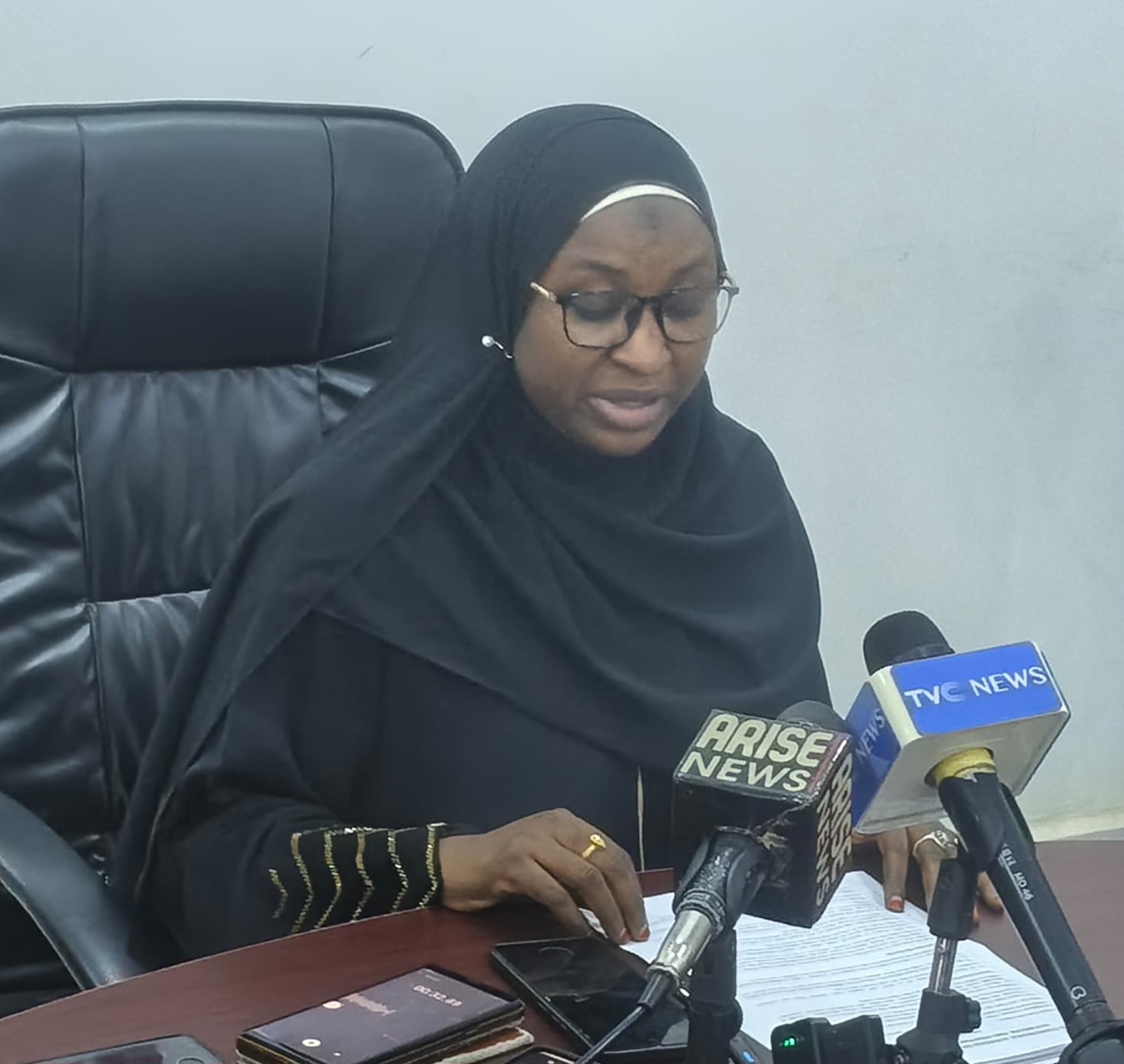
Speaking at a press conference on the outbreak, the state government said suspected diphtheria cases had been reported in 29 Local Government Areas as of Epidemiological Week 35, covering August 28, 2026.
Officials identified Funtua as the most affected local government area, followed by Kankia, Bakori, Katsina, Mashi and Daura, among other affected areas.
The government described the development as a serious public health concern but assured residents that all necessary measures were being deployed to prevent further spread of the disease and reduce the risk of severe illness and deaths.
Diphtheria is a serious but preventable infectious disease that mainly affects the respiratory system and can spread from person to person, particularly in communities where vaccination coverage is low.
According to the government, early detection, immediate treatment, vaccination and strict infection-prevention measures remain critical to controlling the disease.
Emergency Response Activated
The response is being coordinated under the leadership of Governor Dikko Umaru Radda, through the State Emergency Preparedness and Rapid Response Team and the Katsina State Primary Health Care Agency, in collaboration with the State Ministry of Health, National Primary Health Care Development Agency, Nigeria Centre for Disease Control and Prevention and development partners.
The Emergency Preparedness and Response structure remains fully activated under the Incident Management System, with surveillance and response activities continuing across affected communities.
These measures include intensified disease surveillance, contact tracing, line-listing of suspected cases, regular review of outbreak data and provision of chemoprophylaxis to identified contacts.
Vaccination Campaign Hits High-Risk Communities
As part of the emergency response, reactive vaccination commenced on August 25, 2026, targeting 15 high-risk wards spread across five local government areas: Bakori, Charanchi, Funtua, Mashi and Kankia.
The campaign is being implemented in partnership with the NPHCDA, with logistical support from UNICEF.
The government said the exercise has received encouraging support from residents, with strong community participation reported during the first few days.
House-to-house mobilisation, involvement of traditional leaders, community stakeholders and close supervision by government health authorities and partners have helped drive the campaign.
By the third day of the exercise, officials said 67,670 eligible persons had received Td vaccines, while 24,103 children had been administered Pentavalent vaccines across the five participating local government areas.
The figures, according to the government, demonstrate growing public awareness and demand for protection against vaccine-preventable diseases.
650,000 More Vaccine Doses Secured
In a major boost to the containment effort, the Katsina State Government said it had secured 650,000 additional doses of diphtheria-containing vaccines.
The vaccines are expected to support the expansion of reactive immunisation activities and enable health authorities to rapidly protect residents in communities experiencing or considered vulnerable to the outbreak.
The government urged residents to cooperate with health workers and vaccination teams, stressing that community participation remains crucial to stopping the spread of diphtheria.
It also called on parents and caregivers to ensure that eligible children receive routine childhood vaccinations, while urging residents to promptly report suspected cases to health facilities.
The government assured the people that surveillance and response activities would continue until the outbreak is brought firmly under control.
With vaccination, early detection and prompt treatment at the centre of the intervention, Katsina authorities said the combined efforts of government, health workers, communities, traditional and religious leaders and development partners would be critical in protecting lives and preventing further transmission.
About The Author
