


 Project will complement)
From Sani Gazas Chinade Damaturu
The Yobe State Government has reaffirmed that the Solutions for Internally Displaced Persons and Host Communities (SOLID) Project will complement Governor Mai Mala Buni’s ongoing investments in critical infrastructure while advancing sustainable development and improving the well-being of vulnerable communities across the state.


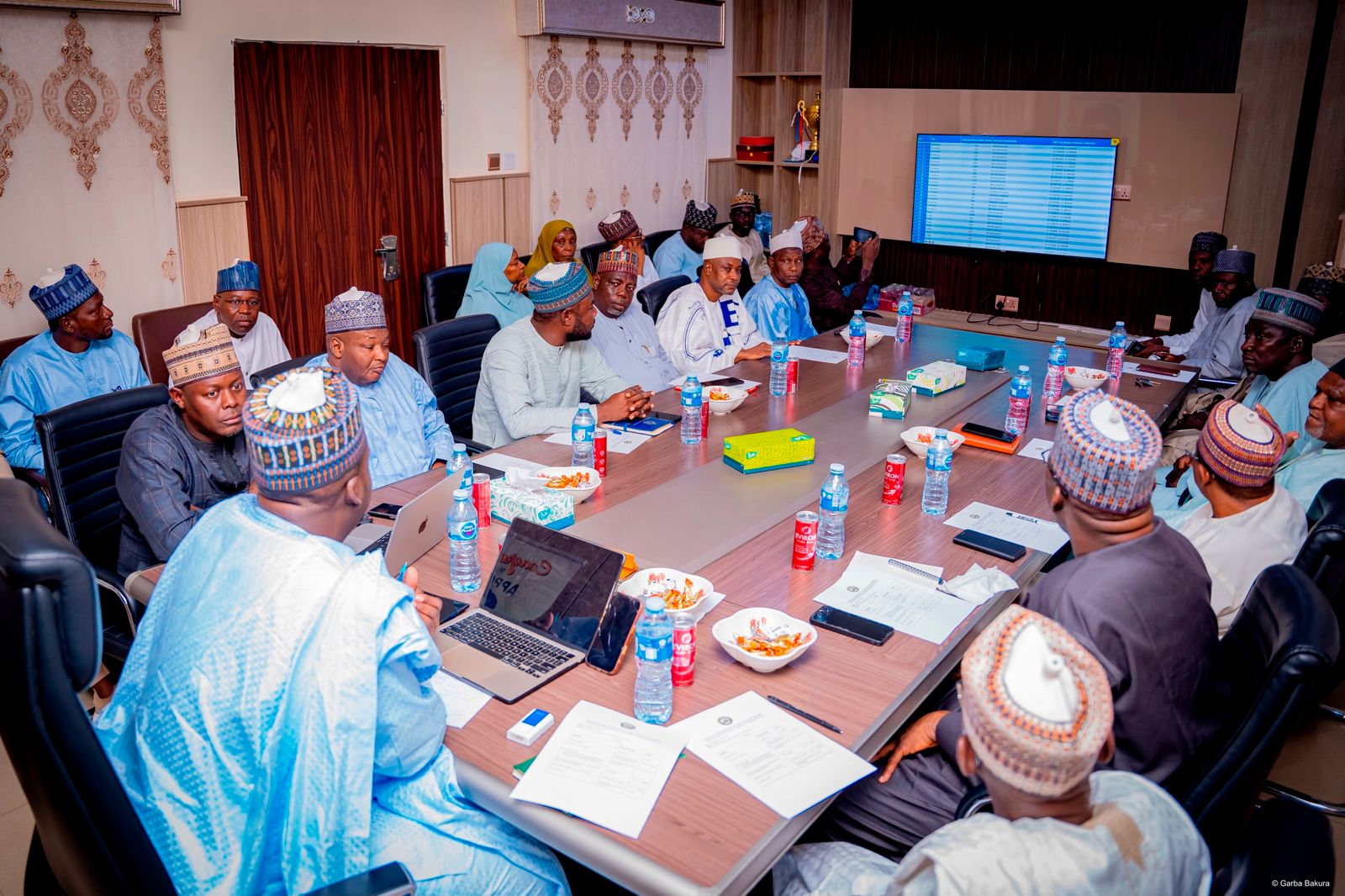
In a press statement signed by Ibrahim Baba Saleh the Media coordinator/ liasian officer office of the SSG said, The Acting Secretary to the State Government, Dr Mohammed Goje, stated this on Wednesday while declaring open a one-day SOLID Infrastructure Project Stakeholders’ Meeting in Damaturu.
Dr Goje described the SOLID Project as a strategic intervention that extends beyond the provision of infrastructure, noting that it is designed to strengthen community resilience, improve access to essential public services, restore livelihoods, and provide durable solutions for Internally Displaced Persons (IDPs) and host communities.
He explained that the project aligns with the Yobe State Government’s broader development agenda on urban renewal, climate resilience, and inclusive socio-economic development.
“The SOLID Project is more than an infrastructure programme. It is a strategic investment in resilience, improved public services, sustainable livelihoods, and durable solutions for displaced populations and their host communities,” Dr Goje said.
The Acting SSG stressed that, as implementation commences, the Government expects the highest standards of professionalism, accountability, and collaboration from all implementing Ministries, Departments and Agencies (MDAs).
According to him, every implementing institution has a critical responsibility in providing technical leadership, ensuring regulatory compliance, supporting environmental and social safeguards, engaging communities, and promoting the long-term sustainability of project investments.
He further emphasized that the success of the SOLID Project depends on strong coordination among the State Project Coordination Unit, implementing MDAs, Local Government Authorities, traditional institutions, beneficiary communities, and development partners.
“Effective collaboration will enable us to deliver quality projects efficiently, avoid duplication, resolve implementation challenges promptly, and ensure that these investments continue to serve our communities long after project completion,” he added.
Dr Goje called on all stakeholders to sustain the momentum by working together to deliver quality infrastructure, strengthen livelihoods, and achieve measurable development outcomes that improve the lives of the people of Yobe State.
Earlier, the State Project Coordinator of the SOLID Project, Suleiman Dauda, presented an overview of the project’s implementation roadmap, highlighting Yobe State’s successful completion of the required readiness milestones that paved the way for full project implementation.
He noted that the approved first-year implementation programme prioritises strategic investments in road infrastructure, water supply, waste management, and other critical public infrastructure designed to improve service delivery and enhance community resilience.
The Project Coordinator urged all implementing MDAs to provide the necessary technical leadership and institutional support to ensure that every intervention is executed in accordance with approved standards, specifications, and best practices.
“Our collective responsibility is to ensure that every investment under the SOLID Project delivers quality, value for money, transparency, and sustainable benefits for the people of Yobe State,” he said.
The meeting brought together Honourable Commissioners, Permanent Secretaries, Heads of implementing MDAs, technical experts, and members of the State Project Coordination Unit to review implementation readiness, clarify institutional responsibilities, strengthen inter-agency coordination, and reinforce the collective commitment to the successful delivery of the SOLID Project across Yobe State.
About The Author
