



By Abubakar M. Kareto
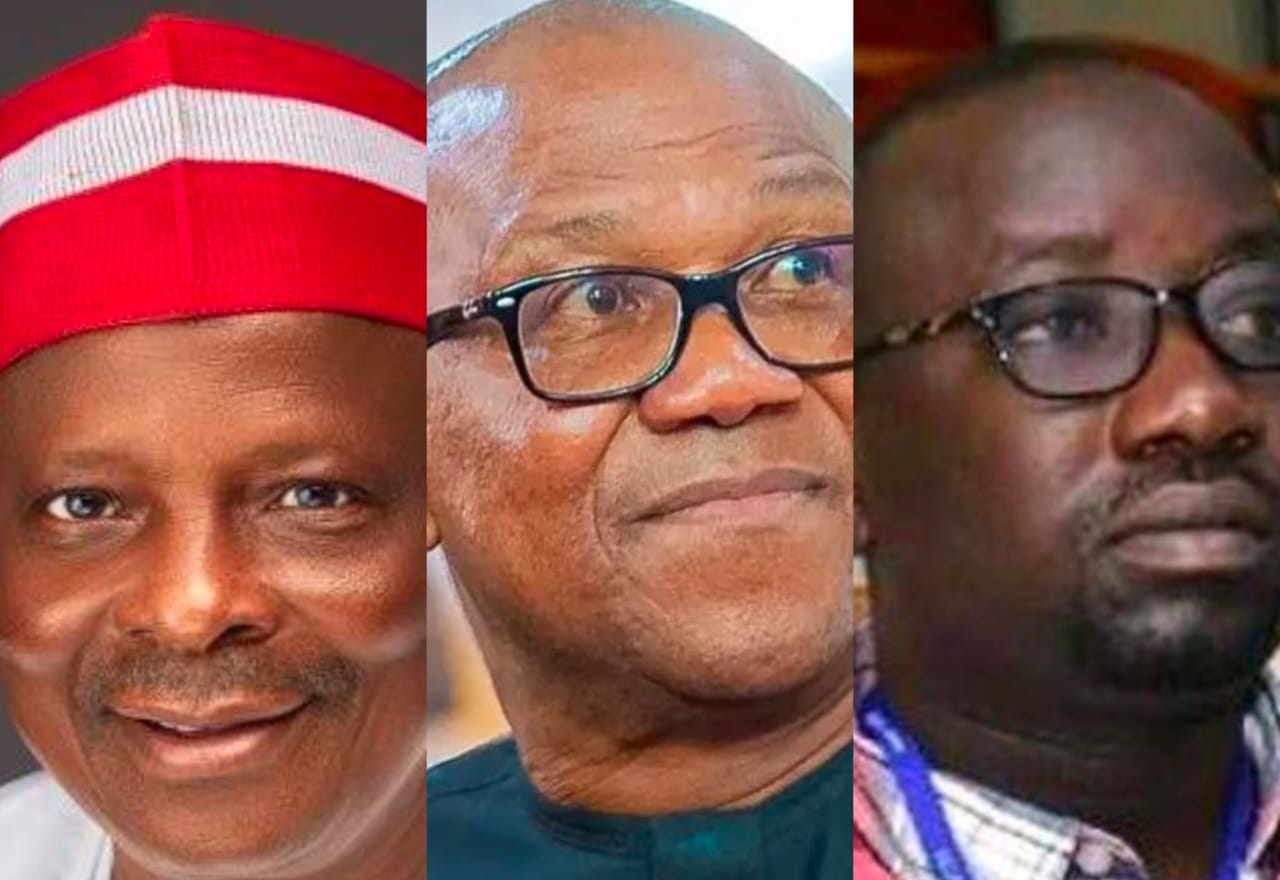
As Nigeria approaches another high-stakes electoral cycle, surface-level partisan controversy continues to distract from deeper structural movements. A notable case in point is the clash between Rabiu Musa Kwankwaso and the founder of INRI Evangelical Spiritual Church, Primate Elijah Ayodele. Following viral claims by the cleric alleging that Kwankwaso was fake to Peter Obi, was paid to run, and would ultimately betray the alliance, Kwankwaso’s legal team issued a swift demand letter threatening a ten-billion Naira defamation lawsuit. While detractors seized on the cleric’s assertions to frame Kwankwaso’s entry into the Nigeria Democratic Congress (NDC) as a transactional compromise, the aggressive legal pushback tells a different story. It invalidates the narrative that he operates as a political mercenary and underscores a deliberate defense of brand equity by a leader playing a calculated long game.


The context makes this legal and political posture essential. In the buildup to the 2023 elections, Kwankwaso famously rejected running mate overtures, refusing the ceremonial role of a political spare tyre. While critics now question his decision to deputize Peter Obi on the NDC platform, viewing it as a retreat misreads northern succession politics. Far from being an ideological surrender or an act of bad faith, accepting the nomination is an astute operational maneuver designed to protect his regional base while positioning him for a definitive run at the presidency in 2031.
This maneuver mirrors a familiar, highly effective historical precedent. It reflects the exact playbook Bola Ahmed Tinubu executed in 2013, when he fused his Action Congress of Nigeria (ACN) into the APC merger, willingly riding on Muhammadu Buhari’s disciplined northern voter bank to consolidate regional control and capture federal legislative and gubernatorial seats. Tinubu bided his time, fortified his southwestern fortress, and methodically transformed that institutional leverage into his own winning presidential run eight years later. Kwankwaso is deploying this identical playbook in reverse: partnering on a national platform today to entrench his regional dominance, accumulate legislative capital, and engineer his own ascent when power rotates.
Beneath the public camaraderie lies an even sharper strategic architecture, evidenced by repeated closed-door consultations between Kwankwaso and NDC National Leader, Senator Seriake Dickson. For the party hierarchy and its northern strategists, the immediate value of the alliance extends far beyond the presidential ballot. By placing Obi at the top of the ticket, the NDC aims to leverage his organic following to capture legislative and state assembly seats across the federation, while Kwankwaso actively replicates the NNPP blueprint across Kano and the wider North. By locking down national assembly seats, state assembly constituencies, and executive control in his home state, Kwankwaso expands his institutional bargaining power, transforming local parliamentary dominance into national leverage. Yet, this dynamic introduces a glaring tactical hazard for Obi’s camp. In the cutthroat calculus of Nigerian politics, Obi must remain alert to the perennial use-and-dump playbook, where his populist momentum is harnessed merely as an electoral tractor to build legislative strength for regional power brokers, only to be sidelined once the national consensus pivots definitively to the North.
The northern electoral map itself is experiencing its most profound transition in two decades. With Muhammadu Buhari off the ballot and Atiku Abubakar in the twilight of his presidential viability, a massive leadership vacuum has opened. Facing an entrenched status quo under Bola Ahmed Tinubu, Kwankwaso understands that the immediate challenge is defensive consolidation rather than an isolated national bid.
The arithmetic of 2023 validates this approach. By delivering nearly one million votes in Kano State alone and securing the governorship, Kwankwaso proved that the Kwankwasiyya red-cap movement commands an organic, disciplined voter bank. For Kwankwaso, running under the NDC is fundamentally about protecting this sub-national fortress, sustaining his grassroots structures across the North-West, and denying the ruling party an uncontested sweep of his home territory.
Accepting the ticket achieves critical strategic ends. It dismantles baseless allegations of regional sabotage, allows the current cycle to run its course against an entrenched incumbent, and locks in the post-2027 timeline. With national rotation expected to swing power back to the North in 2031, Kwankwaso aims to stand as the primary northern principal with an active, battle-tested electoral machine.
The 2031 horizon, however, presents formidable challenges. A central question is whether Kwankwaso can overcome the institutional weight of the ruling party. Establishment figures in the APC, such as Vice President Kashim Shettima, will command vast networks of federal patronage, state apparatus, and deep roots in the North-East.
A 2031 contest would therefore pit the institutional machinery of the APC directly against Kwankwaso’s populist base in the vote-rich North-West. Whether street-level loyalty can defeat state power remains an open question, and only time will tell. What is certain, however, is that Kwankwaso’s current maneuvering is not a surrender to secondary status, but a deliberate calibration for the high-stakes battle ahead.
Abubakar M. Kareto is a Public Affairs Analyst and commentator on governance, policy, and media dynamics. He can be reached via email at amkareto@gmail.com and on X (formerly Twitter) @amkareto.
About The Author
