


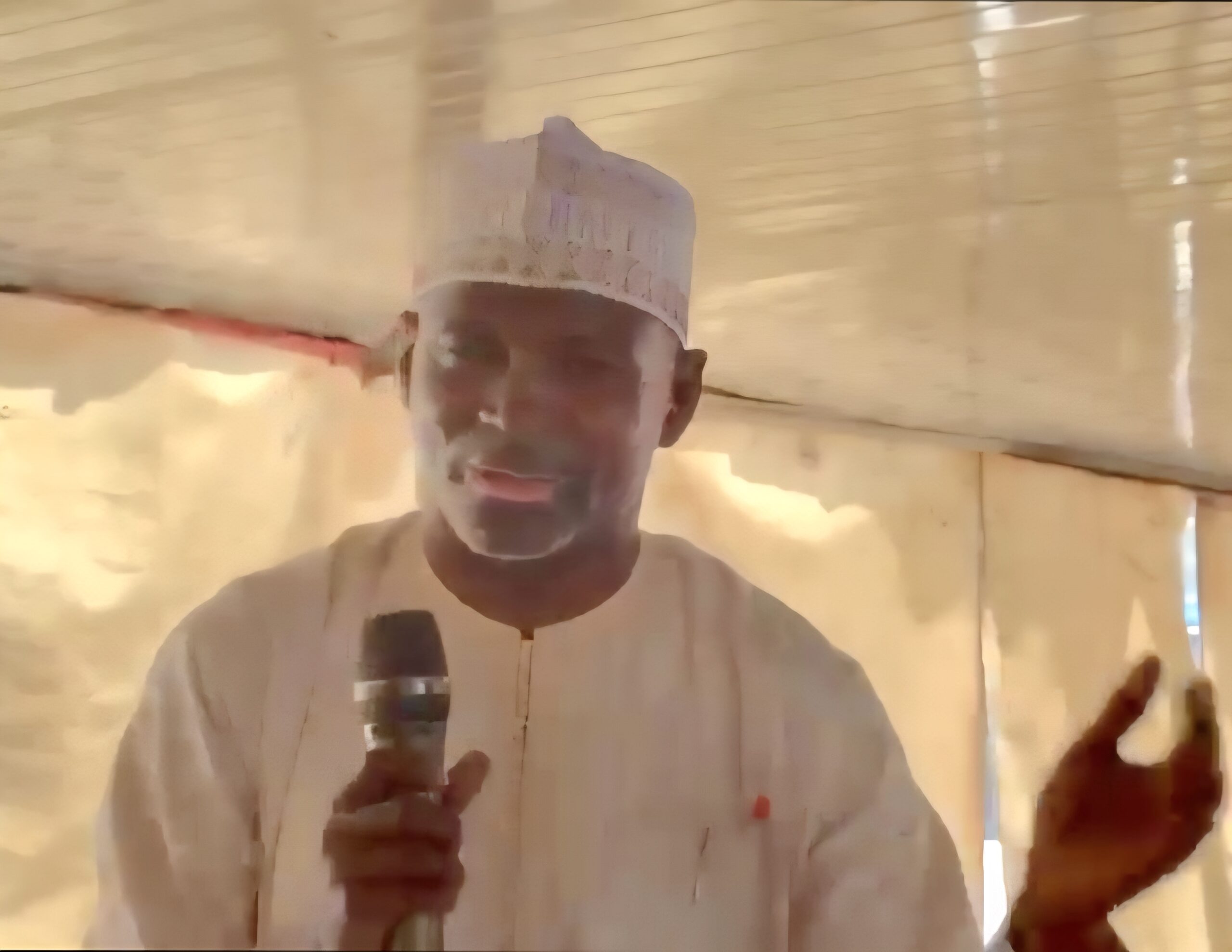

The Miyetti Allah Cattle Breeders Association of Nigeria (MACBAN), Plateau State chapter, has identified community silence, weak prosecution of suspects and what it described as a lack of political will as some of the factors sustaining the cycle of violence in the state.
The association’s Plateau State Secretary, Barrister Salisu Isa Muhammed, said security operations alone would not bring lasting peace unless communities also took responsibility for exposing individuals involved in criminal activities.


Muhammed said the responsibility should not be restricted to any particular ethnic group, arguing that Fulani, Berom, Mwaghavul and other communities must identify and report criminals operating within their respective areas.
According to him, the tendency of communities to shield or remain silent about a few individuals accused of criminality has made it difficult to address the wider security crisis.
“The communities of Plateau have failed in exposing criminals, few criminals among them. There are some reasons why they failed,” he said.
The MACBAN official stressed that criminal behaviour should not be used to label an entire ethnic group, noting that offenders could be found in different communities.
“There are criminals on the Fulani side and there are criminals on the Berom and Mwaghavul side. We should identify who the criminals are among us,” he said.
He called for communities to move away from collective accusations and instead assist security agencies with credible information that could help identify those responsible for attacks, killings, cattle rustling and other crimes.
Muhammed also expressed concern over the handling of suspects by security and law-enforcement agencies.
He alleged that some suspects had been arrested and taken through the court process but later returned to their communities.
“I cannot go into the reason why I am saying this because I am not an investigator, I am not an arresting officer. But I know sometimes, you arrest somebody, take him to court, and he comes back,” he said.
He argued that when perpetrators are not effectively investigated and prosecuted, communities may lose confidence in the justice system, potentially allowing the cycle of violence to continue.
The Plateau MACBAN secretary further accused government of failing to confront the crisis in what he described as a comprehensive and impartial manner.
“Government is not ready to holistically and sincerely face the crisis and deal with it in an appropriate way. Sentiments, politics are there intervening in dealing with the criminals,” he alleged.
He said Fulani communities had also suffered deaths and destruction during the prolonged crisis, but claimed that their losses had not received sufficient official attention.
“Our cows, our herders have been killed on daily basis. It will be difficult to say that a herder has not been killed,” he said.
According to him, government officials had not done enough to visit affected Fulani communities, sympathise with victims or assess the extent of their losses.
“Government is not going to us and say, ‘Oh, sorry to what happened to you.’ Not even to talk of compensation of the victims,” he added.
Muhammed said the perceived lack of government assistance had generated frustration among some members of the community.
“We are the first persons that are suffering from this crisis and the banditry that is ongoing. But nobody compensates us,” he said.
The MACBAN official also alleged that relief materials provided to victims of violence were not adequately reaching affected Fulani communities.
“Even when relief materials come from outside Plateau State, the government took it and denied us our own share,” he alleged.
He argued that perceived neglect could further deepen resentment among affected communities and create conditions for retaliatory attacks.
Muhammed, however, cautioned against responding to grievances with violence, urging community members to channel complaints through security agencies and other relevant authorities.
He said lasting peace could only be achieved through the combined efforts of communities, government and security agencies.
“These are some of the causes. No solution. But the solution must involve all of us,” he said.
He called on Fulani, Berom, Mwaghavul and other communities to reject collective blame, expose criminals within their midst and cooperate with security agencies to prevent attacks and reprisal violence.
The remarks come amid continuing insecurity and communal tensions in parts of Plateau State, where competing allegations of killings, cattle rustling, attacks and destruction of property have continued to fuel mistrust among communities.
Source:@ZagazolaMakama
About The Author
