



By Ahmed Liman Kingimi, Maiduguri
The Borno State Government has begun developing a five-year Media Action Plan 2027-2031 aimed at strengthening media and information literacy, combating misinformation, and building trust between government, the media and citizens.


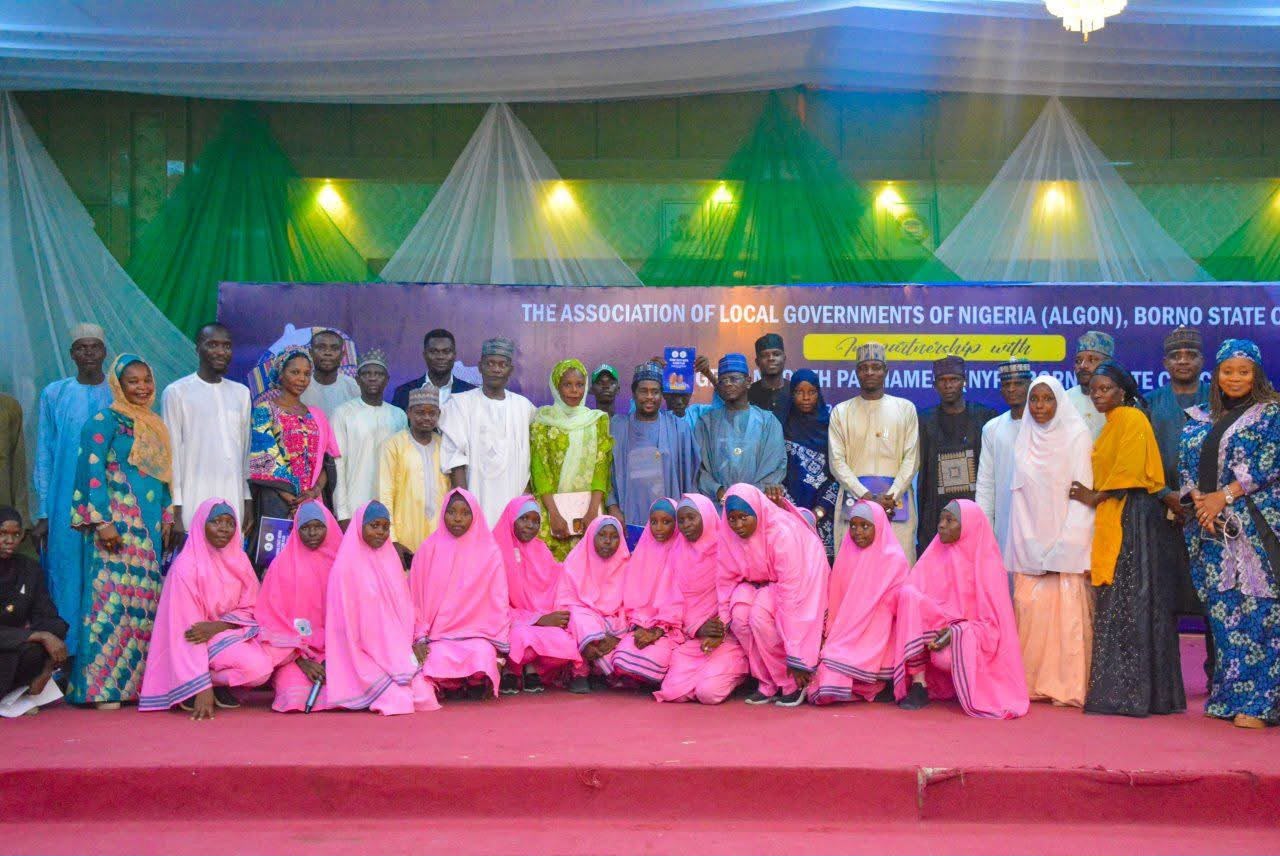
The plan was the focus of the Borno State Media Consultation on Media and Information Literacy held in Maiduguri on Wednesday.
The consultation, organised in collaboration with the Nigerian Youth Parliament, Borno State Chapter, and Local Government Chairmen, brought together stakeholders from across the 27 Local Government Areas, including government representatives, journalists, civil society organisations, youth and women groups, development partners, traditional leaders and academics.
In his keynote address titled “Building Trust Through Better Communication: The Role of Government, Media and Citizens in an Informed Borno,” the Commissioner for Information and Internal Security, Prof. A. Tar, said the future of the state depends on the quality of information shaping public decisions.
“Today, information travels faster than ever before. A message can move from one community to another within seconds. A rumour can create fear before the truth has the opportunity to respond. Misinformation can divide communities, erode trust in institutions, and undermine development efforts,” Prof. Tar said.
He explained that the Media Action Plan is intended to be a practical and implementable strategic framework to promote responsible communication, civic participation and an informed, peaceful and united Borno.
The Commissioner stressed that development goes beyond infrastructure, noting that a society cannot progress when rumour travels faster than facts and hate dominates public discourse.
“Development requires more than roads, schools, hospitals and infrastructure. Development also requires an informed citizenry,” he said.
Prof. Tar said the consultation was designed to ensure that solutions are shaped by those closest to the challenges, with emphasis on ensuring the outcome reaches beyond Maiduguri to all 27 LGAs.
He urged participants to move beyond defining problems to proposing realistic solutions on the causes of misinformation, why false narratives spread quickly, and how institutions can communicate more effectively.
Also speaking, Fatima Lamisula, representing the Northern Borno Senatorial Youth Assembly, said the Action Plan must not become another document that is launched and shelved, but must have clear priorities and implementation pathways that empower communities to identify credible information and strengthen trust.
The consultation, according to organisers, will produce recommendations that will feed into the final Borno State Media Action Plan 2027-2031, which is expected to support the state’s long-term peacebuilding and development agenda.
Participants were encouraged to speak freely and contribute honestly to ensure the plan reflects collective wisdom and shared responsibility.
“History shows us that societies are shaped not only by the challenges they face, but by how they choose to respond. We can choose to see misinformation as a problem, or as an opportunity to build a more resilient, more informed, and more united Borno State,” Prof. Tar added.
About The Author
