


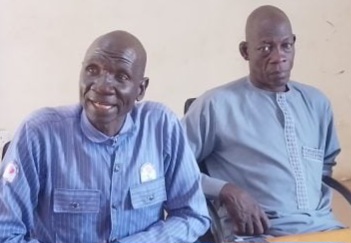

A cloud of anguish hangs over Yarkasuwa Market community in Saminaka, Lere Local Government Area of Kaduna State, as residents lament what they describe as a cruel betrayal by kidnappers who collected a ₦40 million ransom yet refused to free 13 abducted community members.
The Chairman of the Mobile Phone Dealers Association at Yarkasuwa Market, Malam Rabo Sabo Jan-tsauni, raised the alarm in an emotional “Save Our Souls” appeal to Uba Sani, urging immediate government and security intervention.


Speaking to journalists in Kaduna, Jan-tsauni recounted how armed bandits stormed the community on November 11, 2025, killing four residents, injuring five others, and whisking away 13 people into the bush.
According to him, the abductors initially demanded a staggering ₦300 million ransom—an amount far beyond the reach of the rural community. In a desperate bid to save their loved ones, residents reportedly sold nearly 3,000 bags of assorted grains, scraping together ₦40 million which was eventually paid to the kidnappers.
“But till today, not a single abductee has been released,” Jan-tsauni lamented, his voice heavy with frustration.
The tragedy deepened on January 7, 2026, when the same bandits allegedly returned, abducting two Fulani women in a fresh raid—an attack that reignited fear and shattered any lingering hope of peace.
Now, families are trapped in agonising uncertainty, having paid a ransom that brought neither freedom nor safety. As grief turns to anger, the community is asking a haunting question that echoes across Nigeria’s troubled hinterlands: what is the meaning of paying ransom if captives remain in chains and attacks continue unchecked?
For Yarkasuwa Market and its people, hope now rests on swift and decisive action—before despair claims more lives.
About The Author
