



By: Abdullahi Inuwa
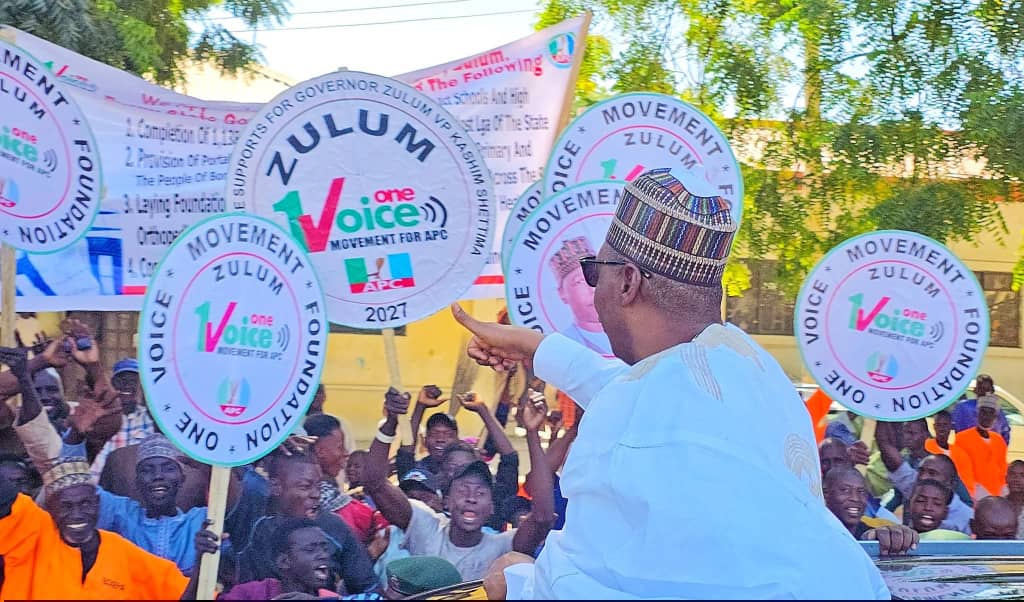
In a region long defined by conflict and humanitarian strain, Babagana Umara Zulum has steadily rewritten the narrative of leadership in North-East Nigeria. Calm, methodical and deeply hands-on, the Borno State Governor has emerged as one of the country’s most visible symbols of purposeful governance—placing people, not politics, at the centre of power.


Since assuming office, Prof. Zulum has pursued a governance style rooted in action rather than rhetoric. From the streets of Maiduguri to some of the most remote communities once crippled by insurgency, his presence has been both reassuring and disruptive—reassuring to displaced citizens seeking hope, and disruptive to bureaucratic complacency.
A professor of engineering by training, Zulum brought to governance the precision of a technocrat and the empathy of a humanitarian. His administration has prioritised security stabilisation, infrastructure renewal and social welfare, working closely with security agencies while accelerating the resettlement of internally displaced persons. Communities that once existed only as IDP camps are gradually transforming into rebuilt towns, complete with housing, schools, health centres and access roads.
Education remains one of the pillars of his reform agenda. Hundreds of classrooms destroyed during years of conflict have been reconstructed, while new schools are springing up across local government areas. Teachers are being recruited, learning materials supplied and school enrolment aggressively encouraged—especially for the girl-child. For Zulum, education is not just policy; it is the long-term antidote to extremism.
Healthcare delivery has also witnessed renewed attention. The rehabilitation of hospitals and primary healthcare centres, coupled with improved medical supplies and personnel deployment, has strengthened access to care for thousands of residents. Maternal and child health programmes have expanded, reducing risks for vulnerable populations in post-conflict communities.
Agriculture, the economic backbone of Borno, has not been left behind. Through large-scale distribution of seeds, fertilisers and farming equipment, the government has helped farmers return to their fields. Irrigation schemes, fisheries projects and livestock support programmes are gradually restoring livelihoods and reducing dependency on aid.
What perhaps distinguishes Zulum most is his leadership by example. Known for unannounced project inspections and direct engagement with citizens, he has cultivated a reputation for accountability. Contractors are held to standards, timelines are scrutinised, and public funds are treated as a sacred trust.
Despite operating in a challenging security environment, Zulum’s resolve has remained firm. His administration reflects a belief that rebuilding Borno is not an abstract promise but a daily commitment—measured in schools reopened, homes rebuilt, farms revived and dignity restored.
As Borno continues its journey from recovery to renewal, Prof. Babagana Umara Zulum stands as a defining figure of this era: a governor whose legacy is being written not in speeches, but in concrete results felt across communities once left behind.
About The Author
