


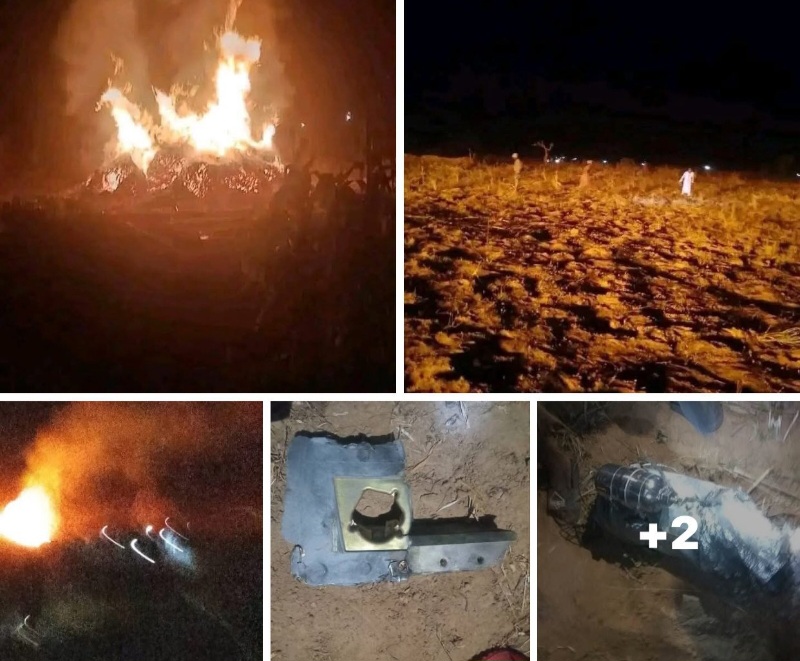

As Nigerians debate the reported U.S. strike in Sokoto, a clearer picture is emerging from the ground — and it raises more questions than answers.
The bombs reportedly fell near Jabo, a quiet farming settlement in Tambuwal Local Government Area of Sokoto State. By every available record, Jabo has no history of activity linked to ISIS, ISWAP, or Boko Haram — groups whose strongholds remain firmly in Nigeria’s North-East.


Local accounts describe Jabo as a predominantly agrarian community, largely peaceful, and overwhelmingly Muslim — estimated at about 98 per cent. There are no known insurgent camps, no ideological footprints, and no record of sectarian violence. Even JNIM, often referenced in regional security discussions and locally nicknamed Lakurawa, is not known to operate or maintain bases in the North-West.
What exists in the area, residents insist, is banditry — criminal groups terrorising rural Muslim communities through raids, kidnappings and cattle rustling. It is a security crisis, yes, but a different one from the transnational terror networks named in early speculation.
Still, many observers strike a measured tone.
While Jabo may have been the wrong location, the larger signal sent by the strike is being welcomed in some quarters. To them, international support against violent threats — when properly guided by accurate intelligence — can reinforce Nigeria’s resolve and deter criminal networks across the country.
Bottom line: precision matters. Support is welcome. But accuracy is everything.
A wrong target weakens trust — even when the message is loud.
About The Author
