


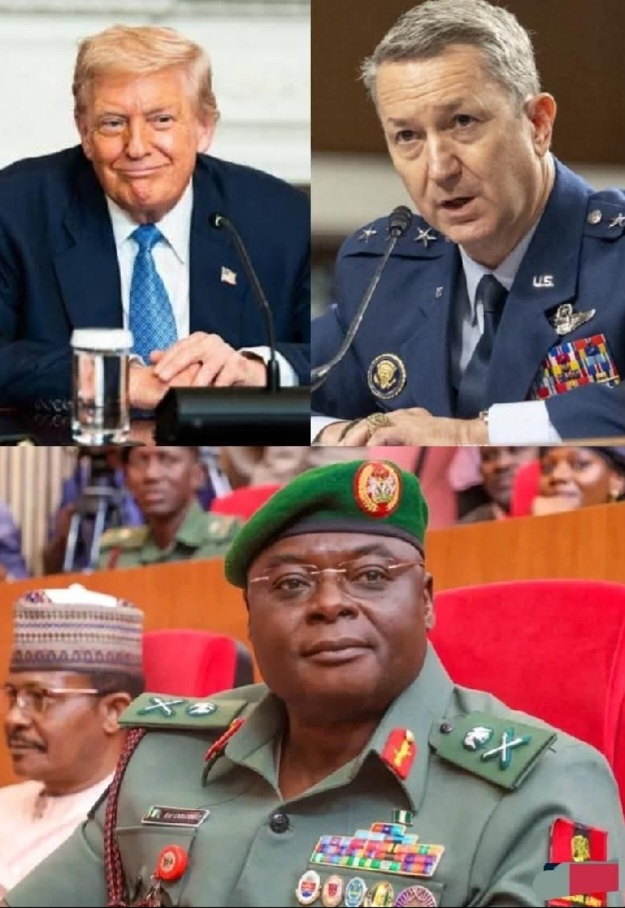

In a firm but measured stance, the United States has ruled out the deployment of its troops to Nigeria, insisting that the country’s security challenges must be confronted and resolved by Nigerians themselves.
The position underscores a fundamental principle of international relations: respect for sovereignty. According to the U.S., Nigeria remains a fully sovereign nation, governed by its own constitution and equipped with professional armed forces capable of handling internal security without foreign boots on the ground.


Officials stressed that no foreign military can operate within Nigeria’s borders without explicit approval, reinforcing the idea that security decisions ultimately rest with Abuja. The message was clear — Nigeria’s territorial integrity and independence are not negotiable.
While the United States acknowledged the importance of international cooperation in addressing global and regional security threats, it emphasized that such collaboration must not undermine Nigeria’s sovereignty or decision-making authority. Support, intelligence sharing, training, and diplomatic engagement, the U.S. noted, are preferable to direct military intervention.
The development comes amid ongoing debates about external involvement in Africa’s security landscape, particularly in countries grappling with insurgency, terrorism, and organised crime. For Nigeria, Africa’s most populous nation, the statement reaffirms both responsibility and capability: the duty to secure its territory lies squarely with Nigerians, and the confidence to do so remains intact.
As global partners watch closely, the stance sends a strong signal — cooperation is welcome, but control stays at home. In the end, Nigeria’s security, the U.S. insists, is best defended by Nigerians themselves.
Source:@Shaibu_AO
About The Author
