


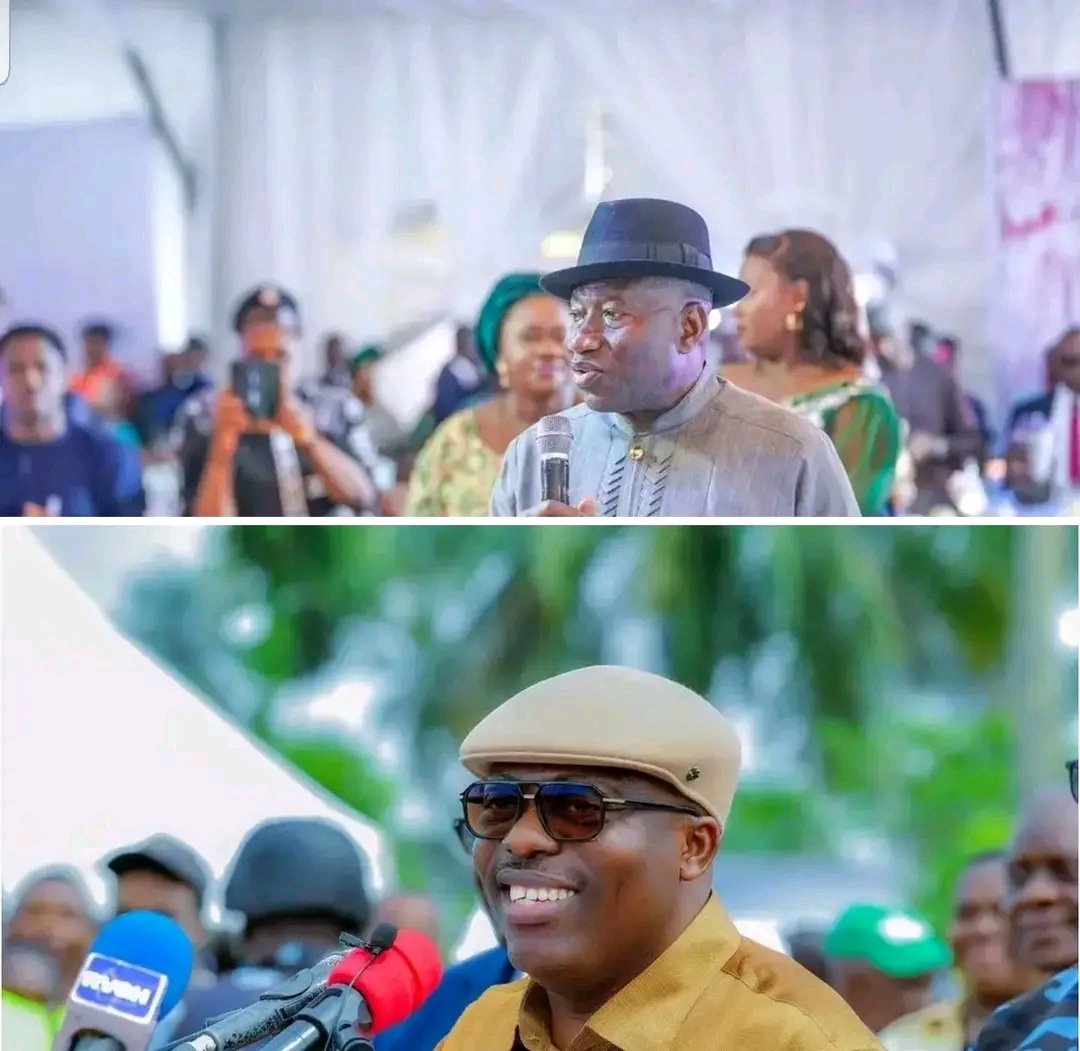

By:Abdullahi Inuwa
The often-unforgiving arena of Nigerian politics, words spoken softly can sometimes carry more weight than public declarations. Such was the undertone of the reported counsel from former President Goodluck Ebele Jonathan to the Governor of Rivers State, Sir Siminalayi Fubara: “Nobody becomes a General without fighting wars. So whatever political challenge you’re facing now is making you a General in politics.”


Though brief, the statement reads like a distilled lesson from Jonathan’s own long walk through Nigeria’s turbulent political landscape. It is not just encouragement; it is political analysis in a sentence.
Jonathan’s remark is less about consolation and more about orientation. In essence, he frames political crises not as setbacks but as rites of passage. In Nigeria’s power dynamics—where loyalty shifts, interests clash, and institutions are constantly tested—survival itself becomes a form of credential. The former president appears to be telling Fubara that today’s resistance could well be tomorrow’s authority.
Rivers State has historically been one of Nigeria’s most politically intense theatres. Any governor navigating its terrain must deal with entrenched structures, competing power centres, and high public expectations. By invoking the metaphor of “war” and “generals,” Jonathan subtly acknowledges that Rivers politics does not produce accidental leaders; it forges them under pressure.
Coming from a man who rose from deputy governor to president amid crises, concessions, and historic decisions, the advice reflects Jonathan’s political philosophy: endurance over impulse, patience over panic. It also hints at a belief that legitimacy is strengthened, not weakened, when tested by adversity.
For Governor Fubara, the statement serves as both reassurance and responsibility. If challenges are indeed the battlefield, then leadership is judged by strategy, restraint, and the ability to emerge with institutions intact. The implication is clear: history remembers those who endure storms, not those who flee them.
In a political climate where power struggles often dominate headlines, Jonathan’s words reframe the narrative. They suggest that today’s political conflicts may be shaping tomorrow’s statesmen. Whether Governor Fubara’s current trials will ultimately define him as a “General” in Nigerian politics remains to be seen—but the message from a former commander-in-chief is unmistakable: wars are not the end of leadership; they are the making of it.
About The Author
