


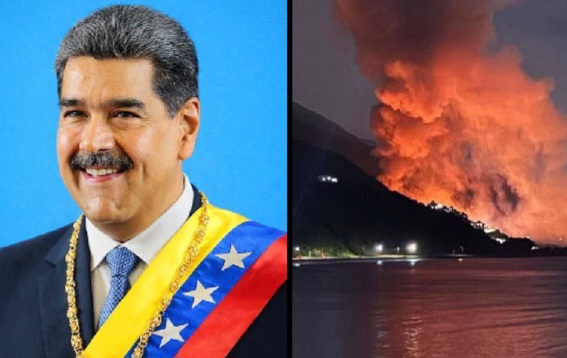

Caracas, January 3, 2026 — The Bolivarian Republic of Venezuela has issued a dramatic international denunciation, accusing the United States of America of carrying out what it described as a “grave military aggression” against Venezuelan territory, including the capital Caracas and parts of Miranda, Aragua, and La Guaira states.
In a strongly worded statement released in the early hours of Friday, the Venezuelan government said the alleged actions violate core principles of the United Nations Charter, citing threats to sovereignty, regional stability, and civilian safety across Latin America and the Caribbean.


‘A Direct Assault on Sovereignty’
Caracas accused Washington of seeking to seize Venezuela’s strategic resources—particularly oil and minerals—through force, framing the situation as an attempt to impose a “colonial war” and engineer regime change. The government vowed resistance, insisting that centuries of independence have forged a nation unwilling to bow to external pressure.
Evoking history, the statement recalled past foreign interventions and invoked the legacy of independence-era leaders, declaring that Venezuela has “faced and defeated empires before—and will do so again.”
State of External Commotion Declared
President Nicolás Maduro ordered the activation of national defense plans and signed a decree declaring a State of External Commotion across the country. Authorities say the measure is intended to protect the population, ensure the functioning of republican institutions, and coordinate nationwide defense structures.
The government also announced the immediate deployment of the Command for the Comprehensive Defense of the Nation and local defense organs in all states and municipalities, describing a posture of “popular–military–police fusion” to maintain peace and sovereignty.
Diplomatic Offensive Launched
Alongside domestic measures, Caracas said it would pursue an urgent diplomatic campaign—raising formal complaints before the UN Security Council, the Secretary-General, CELAC, and the Non-Aligned Movement—seeking condemnation and accountability from the U.S. government.
Invoking Article 51 of the UN Charter, Venezuela stated it reserves the right to legitimate self-defense. The appeal extended beyond borders, calling on governments and peoples worldwide to show “active solidarity” against what it termed imperialist aggression.
‘Unity, Struggle, Victory’
Closing the statement, authorities echoed the words of late leader Hugo Chávez Frías, urging national unity in the face of adversity. Public mobilizations were encouraged as officials stressed resolve and readiness.
As tensions rise, the international community watches closely, weighing the implications for regional stability and global diplomacy.
About The Author
