



By:Abdullahi Inuwa
It remains one of Nigeria’s most talked-about public sector scandals — strange, surreal, and unforgettable.


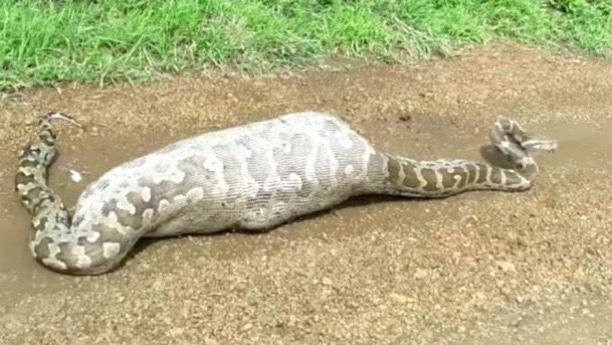
In 2018, the nation stood still when a government audit unearthed an explanation that sounded more like folklore than finance: a snake had swallowed ₦36 million.
The claim came from Joint Admissions and Matriculation Board (JAMB), the agency responsible for collecting examination fees from millions of Nigerian students seeking admission into tertiary institutions.
At the centre of the storm was Philomena Chieshe, a clerk in the JAMB office, who reportedly told auditors that the huge sum — paid by candidates for the Unified Tertiary Matriculation Examination — mysteriously disappeared after being swallowed by a snake inside the office premises.
The explanation stunned auditors, sparked nationwide outrage, and instantly went viral. Nigerians took to the streets, airwaves, and social media, wondering how a reptile could digest public funds running into tens of millions of naira — without a trace.
The bizarre claim forced JAMB into emergency damage control. The Board swiftly distanced itself from the explanation, insisting that the missing funds were linked to internal lapses, not wildlife. Within days, disciplinary measures followed, and the incident became a textbook example of why public financial accountability must never be taken lightly.
Yet, long after official statements faded, the story refused to die.
“The snake that swallowed ₦36 million” entered Nigeria’s political vocabulary — a shorthand for corruption excuses so outrageous they border on satire. From classrooms to comedy skits, the tale became a cautionary symbol of how not to explain missing public money.
Years later, Nigerians still recall the episode with disbelief, humour, and anger — a reminder that truth, in Nigeria’s public life, can sometimes be stranger than fiction.
In a country rich with stories, few remain as legendary as the day a snake allegedly ate the nation’s money — and lived to tell no tale.
About The Author
