


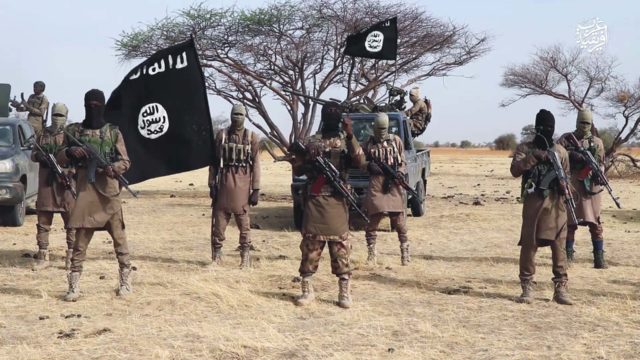

Barely days after suffering a crushing battlefield loss, insurgents linked to ISWAP have issued fresh threats to launch a retaliatory attack on the frontline town of Malam Fatori—raising fresh security concerns in the Lake Chad axis.
Intelligence sources revealed that a suspected ISWAP cleric, who reportedly led Eid prayers near Sabon Tumbu, used his sermon to warn of an imminent strike following the failed March 18 assault in which 75 terrorists were neutralised by Nigerian troops.


According to the sources, the cleric declared that the group would “strike back” and allegedly threatened to reduce Malam Fatori “to ashes”—a warning security experts say must not be taken lightly.
“History has shown that such threats are often followed by action,” a source cautioned, urging troops on ground to maintain maximum vigilance.
Military insiders say insurgents may resort to heavy firepower, coordinated assaults, and vehicle-borne explosive devices (VBIEDs) in any attempted retaliation, tactics previously deployed in similar attacks across the region.
But Malam Fatori is no ordinary target.
Long regarded as a fortress of resistance, the town has earned the nickname “Graveyard of ISWAP” after years of repelling insurgent offensives and inflicting heavy casualties on attackers.
In response to the latest threat, troops of the Armed Forces, backed by other security agencies, have intensified defensive measures, fortified positions, and scaled up intelligence and surveillance operations to pre-empt any incursion.
Sources confirm that operational readiness has been heightened, with logistics reinforced to ensure swift and decisive response if insurgents attempt another assault.
“Any attack on a well-defended position like Malam Fatori will come at a heavy cost to them,” a security source stated confidently.
As tensions rise, all eyes are now on the strategic town—where Nigeria’s forces stand ready once again to defend one of the most symbolic strongholds in the fight against tourism.
Source:@ZagazolaMakama
About The Author
