

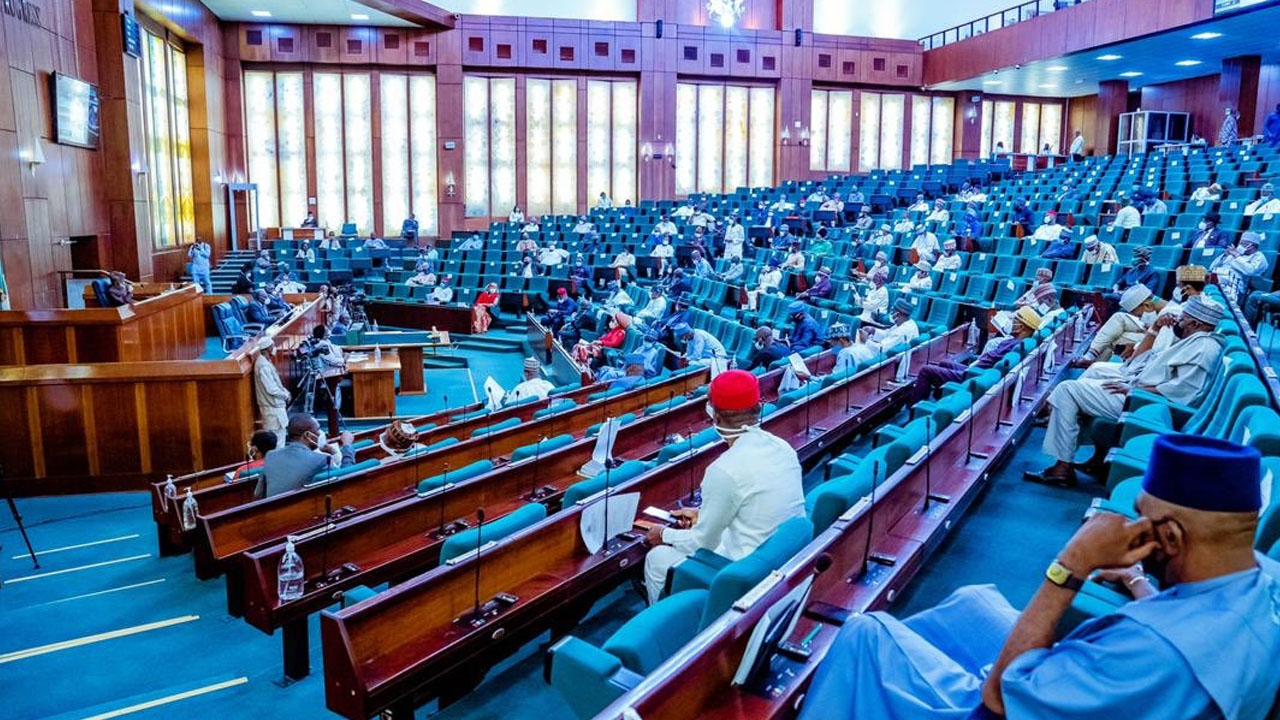

Nigeria’s controversial new tax regime has hit a major roadblock as the House of Representatives Minority Caucus on Tuesday demanded the IMMEDIATE suspension of all newly enacted tax laws, alleging they were altered after passage.
Led by Minority Leader O.K. Chinda, the caucus accused the Federal Government of pushing gazetted versions of the tax laws that do not reflect what lawmakers debated and approved on the floor of the House.


The disputed legislations — signed into law in June and billed to take effect on January 1, 2026 — include the Nigeria Tax Act 2025, Nigeria Tax Administration Act 2025, Nigeria Revenue Service Act 2025, and the Joint Revenue Board Act 2025.
The alarm was raised by lawmaker Abdussamad Dasuki, triggering an uproar that forced the House to constitute a special investigative committee to probe the alleged discrepancies.
In a strongly worded statement, the Minority Caucus described the situation as a direct assault on legislative independence, warning that allowing post-passage alterations would undermine democracy itself.
“Nigerians should disregard any version of these laws that was not duly signed by the Clerk to the National Assembly and the President,” the caucus declared.
The controversy has sparked nationwide resistance, with calls for suspension coming from the Nigerian Bar Association, the Nigeria Labour Congress, former Vice President Atiku Abubakar, and Labour Party presidential candidate Peter Obi.
Despite the growing backlash, the Federal Government insists the laws will be implemented as scheduled. Meanwhile, the House of Representatives has ordered a full review of the documents and hinted at a possible re-gazetting to resolve the crisis.
As January 2026 approaches, Nigeria now faces a high-stakes constitutional showdown — one that could redefine how laws are made, signed, and enforced in the country.
About The Author
