


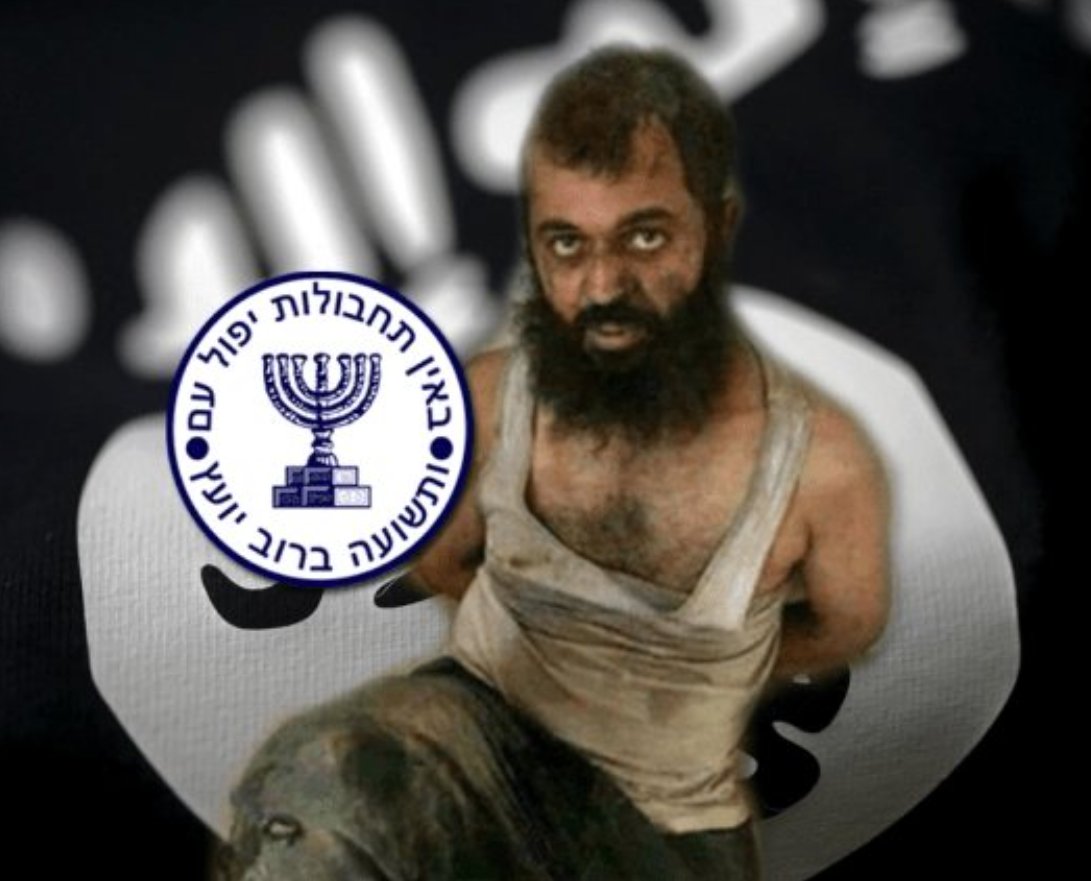

In a stunning development that has sent shockwaves across global intelligence circles, a man long identified as an ISIS commander in Libya, widely known by the alias “Abu Hafs,” has reportedly been revealed as Benjamin Efraim, an Israeli national allegedly linked to a special unit of Mossad.
Security sources disclosed that the suspect, who was captured during a coordinated counter-terrorism operation in Libya’s volatile southern corridor, had operated for years under deep cover within extremist networks.


Initially paraded as a high-ranking operative of the Libyan branch of Islamic State, Abu Hafs was believed to have overseen logistics, recruitment channels, and cross-border movements across North Africa.
However, following weeks of biometric analysis, forensic review, and international intelligence sharing, investigators reportedly uncovered a startling identity trail that pointed to Benjamin Efraim — a name now drawing intense geopolitical scrutiny.
Web of Intrigue
According to preliminary intelligence leaks, Efraim allegedly embedded himself within extremist ranks under the pseudonym Abu Hafs several years ago.
Analysts suggest the operation may have been part of a broader intelligence-gathering mission aimed at penetrating terror networks operating across the Sahel and North Africa.
While officials in Tel Aviv have neither confirmed nor denied the claims, observers say the implications could reverberate far beyond Libya’s borders.
The revelation has triggered heated reactions among factions within Libya, where rival administrations continue to grapple for control amid fragile stability efforts.
Political commentators warn that the narrative surrounding the suspect’s identity could inflame already sensitive regional dynamics.
Counter-terrorism experts caution that misinformation and propaganda often swirl around high-profile captures, particularly when global intelligence agencies are alleged to be involved.
Independent verification from neutral international bodies has yet to be publicly presented.
Nevertheless, the episode highlights the shadowy battleground of intelligence operations in North Africa — a region that has remained a strategic hotspot since the fall of Muammar Gaddafi.
For years, Libya has been a transit hub for extremist elements seeking to exploit porous borders and fractured governance structures.
International agencies, including Western and regional intelligence outfits, have maintained a discreet but active presence aimed at curbing the resurgence of terror networks.
Whether Benjamin Efraim was indeed a covert operative or the center of a complex disinformation campaign remains a matter of investigation. What is certain, however, is that the case has reignited debate over the ethics, risks, and unintended consequences of deep-cover intelligence missions.
As authorities continue to unravel the layers of this high-stakes drama, one question hangs heavy over diplomatic corridors: Was Abu Hafs a terrorist mastermind — or a spy playing a dangerous double game in one of the world’s most volatile theatres?
For now, the truth remains buried in classified files and guarded briefings, leaving the international community watching closely as the story unfolds.
About The Author
