


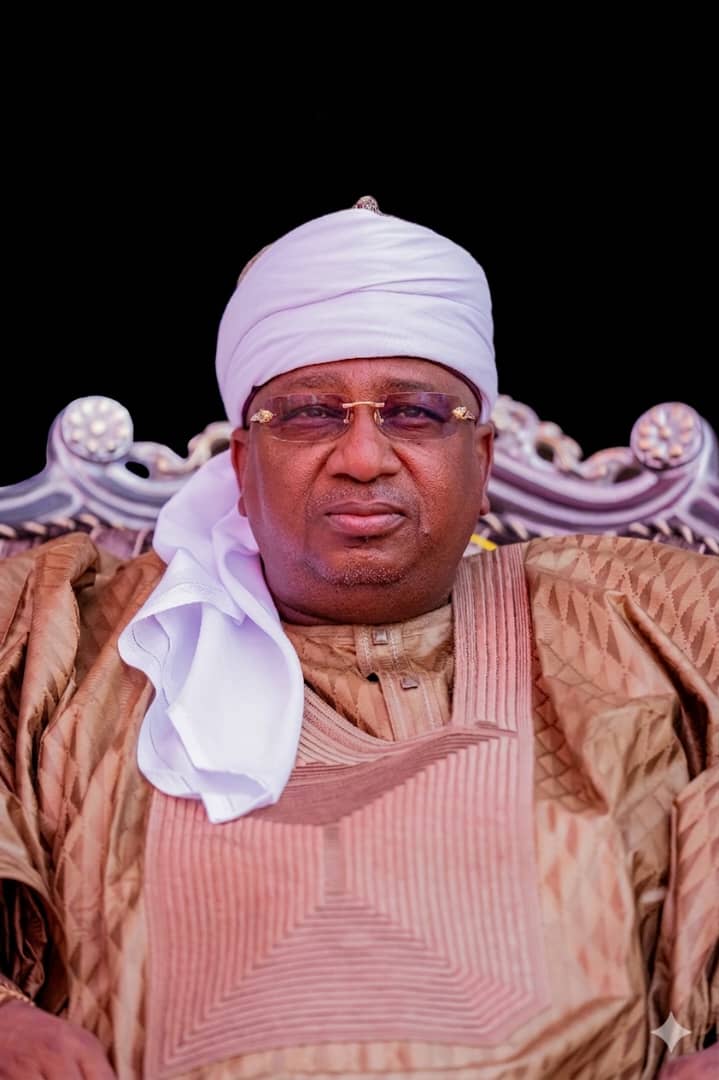

In the spirit of the holy month of Ramadan, the Governor of Kebbi State, Nasir Idris, has rolled out one of the largest humanitarian interventions in the state’s history, providing massive palliatives to over one million residents.
Ramadan, the ninth month in the Islamic calendar, is widely regarded as a season of mercy, sacrifice, charity, and compassion. It is a time when Muslims across the world draw closer to Allah through fasting, prayers, and acts of kindness, while also remembering the poor and vulnerable in society.


Reflecting these values, Governor Idris—popularly known as Kauran Gwandu—has extended relief support to a broad range of beneficiaries across the state, including civil servants, local government workers, legislators, religious leaders, political stakeholders, students, persons with special needs, and vulnerable citizens.
At the official flag-off ceremony held at the Haliru Abdu Stadium, the governor announced the distribution of 6,500 tons of assorted grains made up of rice, maize, and millet to cushion the economic hardship faced by residents during the fasting period.
The initiative drew commendation from several dignitaries, including the Minister of Agriculture, Abubakar Kyari, who described the intervention as bold, timely, and people-centered.
One remarkable aspect of the Ramadan intervention is the inclusion of students among the beneficiaries. The governor’s Special Adviser on Students’ Affairs, Majo Muhammad, disclosed that at least 1,500 students across various institutions in the state would benefit from the programme.
Student leaders have also applauded the gesture. The President of the National Union of Kebbi State Students, Sa’idu Bakuwai, described the palliative support as thoughtful and impactful, noting that it would significantly ease the burden on students observing the Ramadan fast.
Similarly, stakeholders within the student community praised the governor for strengthening the confidence of young people in government through practical support.
Observers say the governor’s humanitarian gesture has triggered a ripple effect across the state, with wealthy individuals, public officials, and organizations stepping forward to support communities with food items, financial aid, and other acts of kindness.
For many residents, the Ramadan intervention has not only brought relief to struggling families but has also reinforced the values of compassion, unity, and communal solidarity that define the holy month.
Governor Idris’ supporters say the initiative reflects his long-standing reputation for generosity and concern for the welfare of ordinary citizens—qualities that have come to define his leadership style.
As Ramadan continues, many in Kebbi believe the governor’s actions have transformed the spirit of the season into practical governance—feeding the hungry, restoring hope, and strengthening the bond between leadership and the people.
About The Author
