


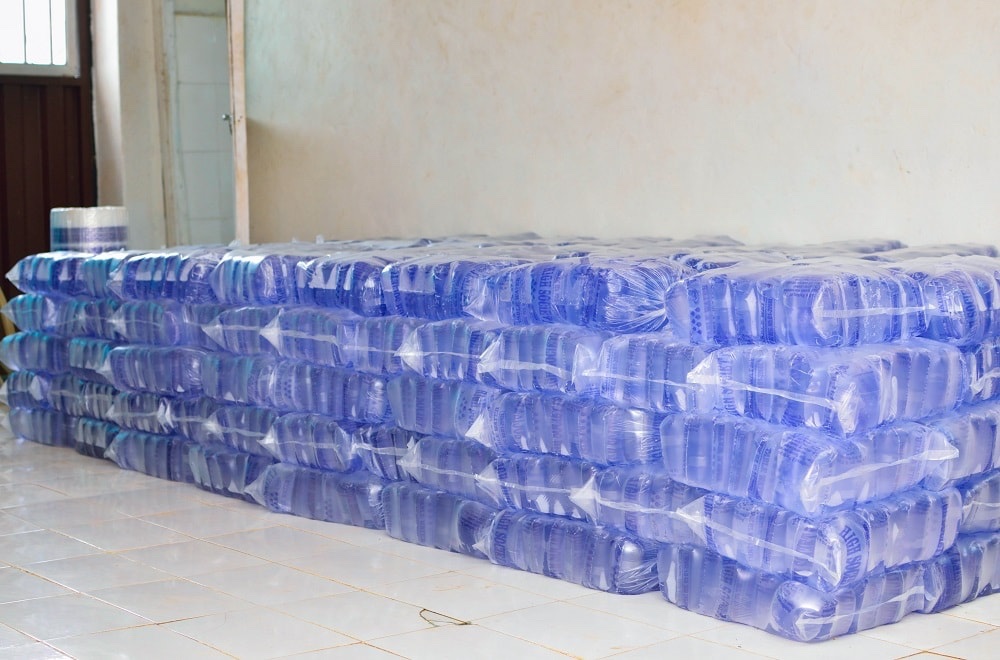

Residents of Kano are set to pay more for sachet drinking water following a new price adjustment announced by the Association of Table Water Producers (ATWAP) in the state.
The association disclosed that the price of a bag of sachet water—popularly known as “pure water”—has been increased from ₦220 to a minimum of ₦300, citing the rising cost of production materials and operational expenses.


According to ATWAP officials, the decision became unavoidable as producers continue to struggle with escalating prices of essential inputs such as nylon packaging materials, water treatment chemicals, electricity, and transportation.
Industry operators say many small and medium-scale producers had been operating at a loss for months, warning that failure to adjust prices could have forced several factories to shut down operations.
The new price benchmark, they noted, is intended to help manufacturers remain in business while maintaining supply to the public.
Sachet water remains the most affordable and widely consumed source of drinking water for millions of Nigerians, particularly in urban centres like Kano where access to clean pipe-borne water remains limited.
However, the latest price hike is expected to put additional pressure on households already grappling with rising costs of food, transportation, and other basic commodities.
Some residents expressed concern that the increase could affect daily living costs, especially for low-income families who rely heavily on sachet water for drinking and household use.
Economic analysts say the development reflects broader inflationary pressures affecting small manufacturing businesses across Nigeria, as operators struggle with unstable power supply, high fuel costs, and fluctuating prices of imported raw materials.
Despite the increase, ATWAP leaders urged consumers to remain understanding, assuring the public that producers remain committed to maintaining hygiene standards and continuous supply of safe drinking water.
Observers say unless production costs stabilize, the sachet water industry may continue to face pricing pressures, potentially affecting one of the country’s most relied-upon sources of potable water.
About The Author
