


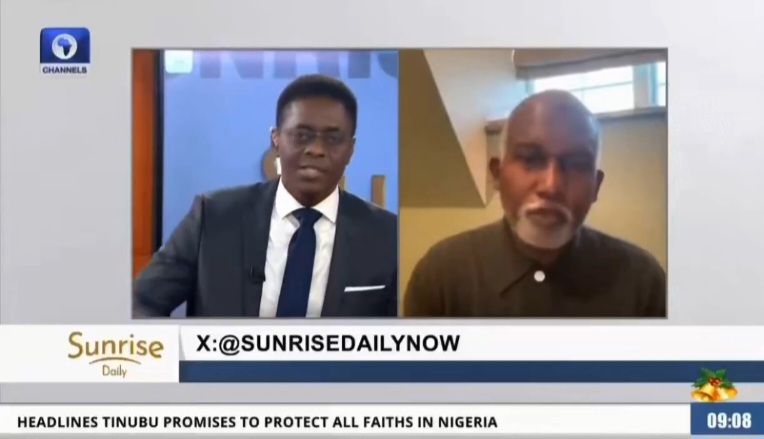

Nigeria has confirmed it was the brains behind the blow that rocked terrorist networks, providing the critical intelligence that guided a United States precision strike on Nigerian soil.
Minister of Foreign Affairs, Yusuf Tuggar, disclosed that the operation followed intense, high-level diplomatic coordination between Abuja and Washington—placing Nigeria firmly in the driver’s seat.


According to Tuggar, he held a 19-minute strategic phone call with the United States Secretary of State, Marco Rubio, during which both sides agreed that no action would be taken without Nigeria’s explicit consent.
“We agreed to speak with President Tinubu for his go-ahead—and he gave it,” Tuggar said.
The minister revealed that moments before the operation commenced, he was back on the line with Rubio—five minutes to launch—confirming final clearance for the strike against the terrorist targets.
The disclosure underscores Nigeria’s sovereign control over security decisions within its borders and highlights the depth of trust between Abuja and Washington in counter-terrorism cooperation.
Beyond the missiles and intelligence feeds, Tuggar’s account tells a larger story: Nigeria is not a bystander in global security operations, but a decisive partner, setting the terms, giving the green light, and defending its national interest.
In a region battling transnational terror threats, the message from Abuja is unmistakable—no strike happens without Nigeria’s say-so.
About The Author
